




Striped Velvet Seating
Striped velvet seating brings rich texture and linear pattern to a room, offering both traditional character and comfortable support across diverse historic periods.
Striped Velvet Seating
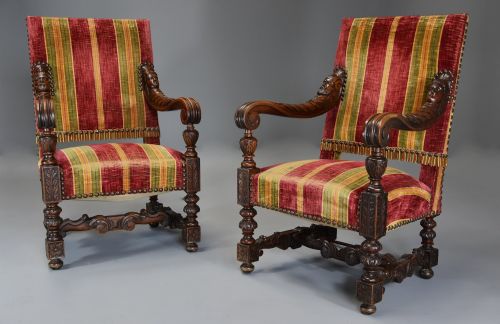
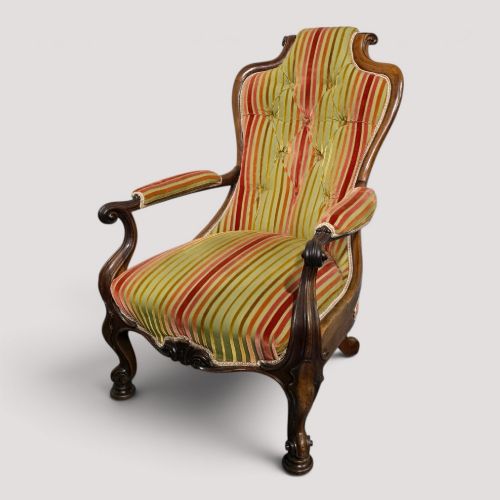
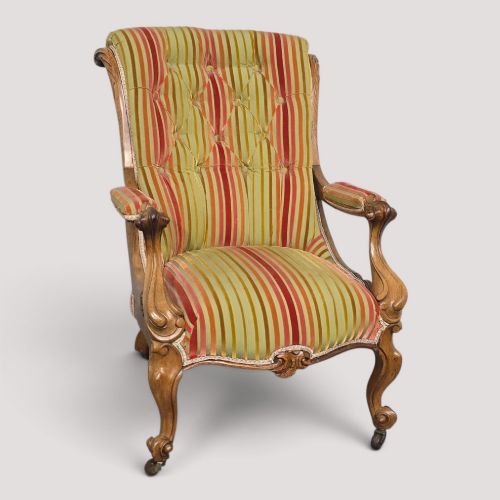
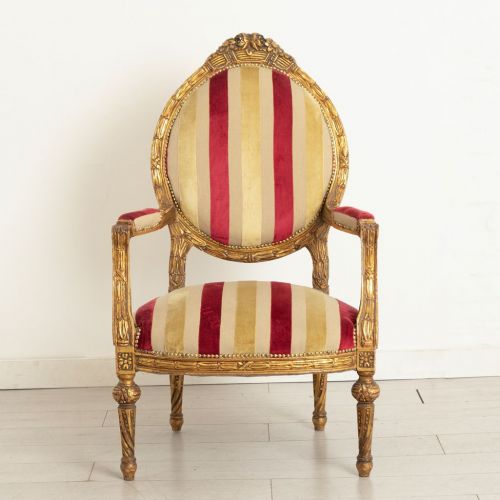
When you search for striped velvet seating, you encounter a range of historic forms spanning centuries of design, from Georgian wingbacks to Victorian dining chairs. The selection includes armchairs, side chairs, benches, window seats, and sofas.
You are most likely to meet walnut and rosewood armchairs alongside mahogany and fruitwood dining chairs on this page. These pieces showcase stylistic influences from Regency and Louis XVI to French Baroque and Italian Rococo.
Materials and construction
Makers utilised dense hardwoods such as walnut, mahogany, and rosewood to build durable structural frames for these chairs and sofas. Giltwood and fruitwood also appear in specific continental and revival pieces.
Textile upholstery, specifically velvet, covers the padded surfaces and works alongside brass elements and carved wooden details. Traditional joinery and carving techniques secure the frames before fabric application.
Striped Velvet Seating Retail Price Guide 2026
Typical asking prices for striped velvet seating among the pieces listed under this phrase on Sellingantiques today, from the lower quarter to the upper quarter. They describe what is for sale here now, not the wider market.
Historic velvet was woven with a dense pile that invited eighteenth-century hands to stroke it during long evening card games.
Assessing quality and craftsmanship
The distinction between standard examples and superior pieces rests upon the crispness of the wood carving and the integrity of the timber frame. Deeper relief work on walnut or giltwood indicates higher artisan skill.
Proportion and balance dictate the aesthetic success of each form, particularly in revival styles like Louis XVI or French Baroque. Superior examples maintain structural harmony alongside careful integration of the velvet textile.
The Striped Velvet Seating Glossary
- Wingback
- An armchair with side panels or wings designed to shield the occupant from drafts. These chairs frequently date from the Georgian and nineteenth-century periods.
- Giltwood
- Wood that has been treated with gold leaf or a gold-colored preparation. This finish appears on decorative armchairs from various revival periods.
- Directoire
- A transitional style bridging Louis XVI and Empire periods, characterised by neoclassical restraint. Pieces from this era often utilise fruitwood.
- Balloon back
- A chair back shaped like a rounded balloon, popular during the Victorian era. This design typically appears on dining chairs.
Striped Velvet Seating: Frequently Asked Questions
What periods do these chairs come from?
The pieces span multiple centuries, including the Georgian, Regency, and Victorian eras, alongside various revival styles from the nineteenth and early twentieth centuries.
Each period imparts distinct stylistic traits to the timber frames and overall proportions of the seating.
How do I care for antique velvet?
Velvet requires gentle brushing and protection from direct sunlight to preserve its pile and colour over time. Professional cleaning helps maintain the integrity of historic textile upholstery.
Avoiding excessive moisture prevents damage to both the fabric and the underlying wooden frame.
Where were these pieces used historically?
Armchairs and sofas served in formal drawing rooms, libraries, and parlours for relaxation and conversation. Dining chairs gathered around large tables in formal dining spaces.
Window seats and benches occupied hallways, bedrooms, and reception rooms beneath large windows.
How do I distinguish between French and English styles?
French styles like Louis XVI and French Baroque often display elaborate giltwood finishes, carved walnut, and open arms. English designs from the Georgian and Regency periods tend to favour mahogany and rosewood with more structured lines.
Examining the timber choice and carving motifs clarifies the regional origin of the piece.