



Stone Base Lighting
Stone base lighting brings together the solid permanence of carved mineral supports and the warm glow of period illumination.
Stone Base Lighting
Stone base lighting encompasses decorative table lamps and candlesticks anchored by heavy mineral plinths and columns. Buyers searching this phrase encounter substantial pieces designed to anchor a room with architectural presence.
The selections span the Victorian era, Edwardian period, and the 1920s Art Deco movement. French Neoclassical and classical revival styles appear frequently alongside simpler turn-of-the-century forms.
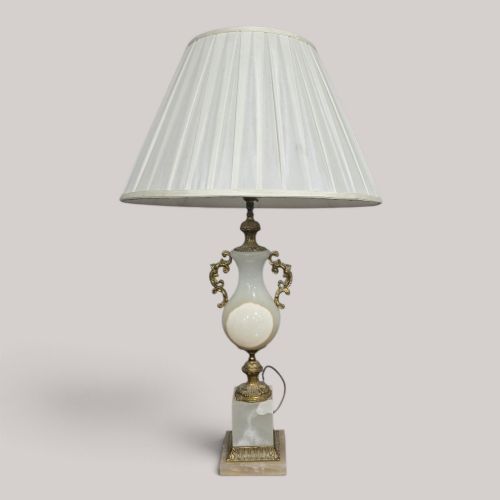
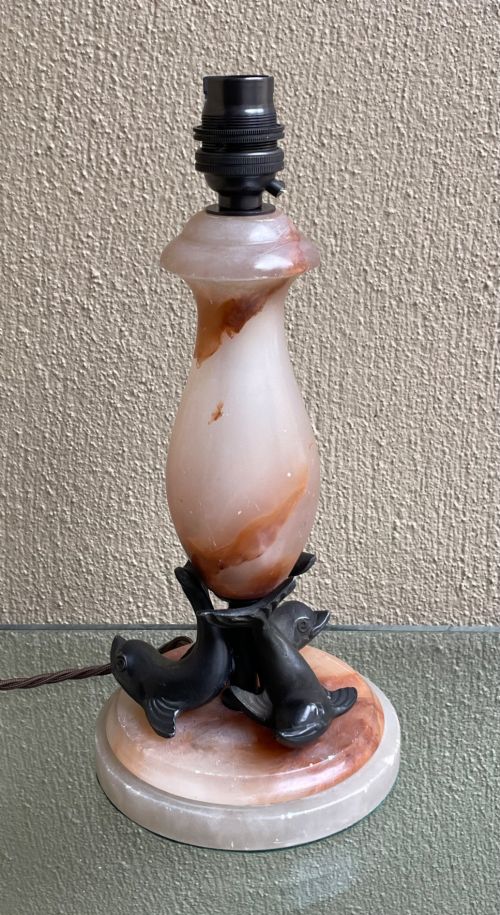
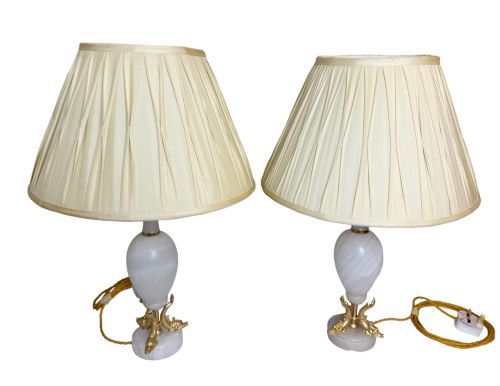
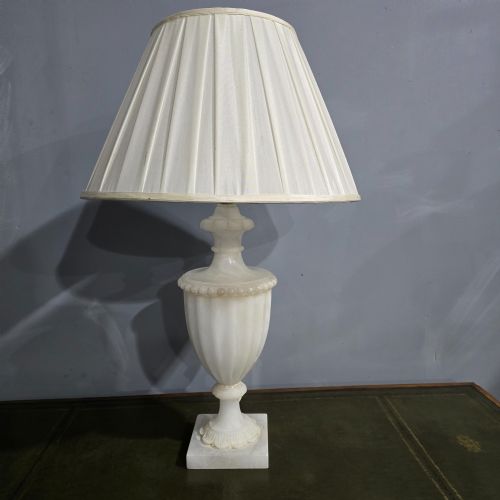
Table lamps dominate the inventory, often paired with fabric shades or fitted with metal mounts. Columnar shapes and carved animal figures, such as dolphins, represent the primary sculptural forms.
Materials and construction
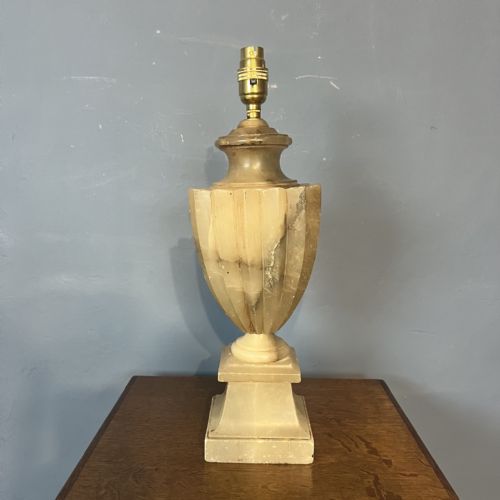
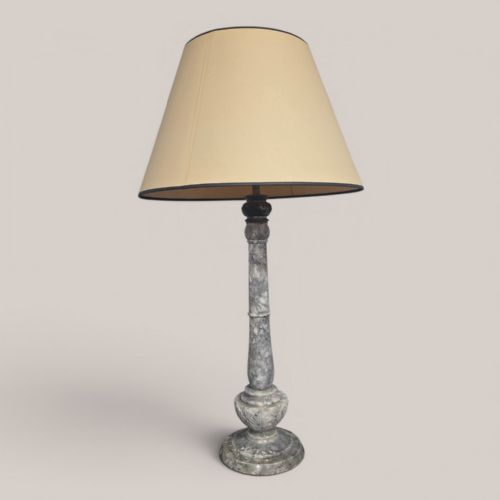
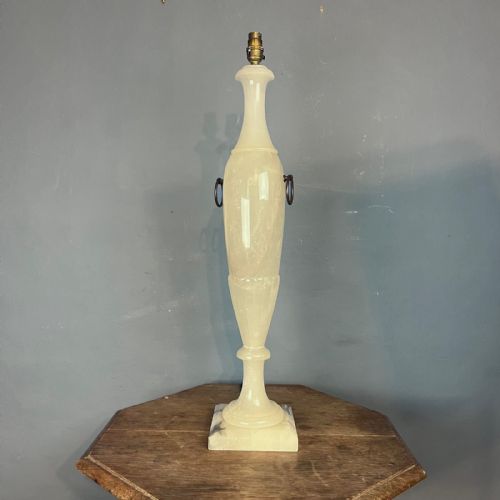
Alabaster and white onyx provide the translucent mineral bodies favoured by makers in the early twentieth century. Grey marble and polished two-tone marble offer heavier, denser alternatives for classical columns.
Brass, gilt bronze, and ormolu mounts secure the stone sections and provide decorative capitals. Patinated metal and silver plate complete the hardware, binding the mineral bases to the electrical or candle fittings.
Stone Base Lighting Retail Price Guide 2026
Typical asking prices for stone base lighting among the pieces listed under this phrase on Sellingantiques today, from the lower quarter to the upper quarter. They describe what is for sale here now, not the wider market.
A carved alabaster dolphin balances the weight of history and electricity in one unexpected 1920s table lamp.
Assessing quality and execution
The fineness of the carving defines the upper tier of alabaster and marble pieces, particularly on classical Corinthian capitals and sculptural elements. Crisp detailing in the bronze, ormolu, and brass mounts separates standard production from finer French workshops.
Proportion and scale dictate visual success, where large French marble and onyx columns command greater presence than smaller domestic table lamps. The integration of metal mounts with the natural veining of the stone reveals the care taken by the maker.
The Stone Base Lighting Glossary
- Alabaster
- A fine-grained, translucent stone used extensively for carved lamp bodies during the early twentieth century. Its softness allows for delicate sculptural detail.
- Ormolu
- Gilt bronze mounts applied to stone bases for decorative effect. This technique was favoured in French Neoclassical design.
- Corinthian column
- An architectural order featuring an ornate capital decorated with acanthus leaves. It appears frequently on Victorian and Edwardian stone lamp bases.
- Gilt bronze
- Copper alloy finished with a layer of gold. It provides durable enrichment to marble and onyx lighting.
Stone Base Lighting: Frequently Asked Questions
What periods do these lamps come from?
The pieces span the Victorian era, the Edwardian period, and the 1920s. This includes items from around 1800 up through the Art Deco years of the twentieth century.
Neoclassical and classical revival styles predominate across these decades, particularly in French designs.
How do I clean alabaster lamps?
Alabaster is a soft and slightly porous stone that requires gentle dry dusting. Avoid water and chemical cleaners which can damage the polished surface.
Keep the stone away from moisture to preserve its translucent quality and delicate carved details.
Are these lamps heavy?
Mineral bodies made from marble, onyx, and alabaster possess considerable weight. This natural mass provides stability for tall table lighting.
Position them on solid furniture surfaces that can safely support heavy decorative objects.
What styles are common?
French Neoclassical and classical revival designs appear frequently among the listings. These styles often utilise Corinthian columns and gilt bronze mounts.
Art Deco examples also feature, including animal motifs such as carved alabaster dolphins.