



Stick and Brolly Stand
These stick and brolly stand designs range from heavy cast iron to warm oak and brass, offering a practical hallway focal point that keeps entrances tidy.
Stick and Brolly Stand
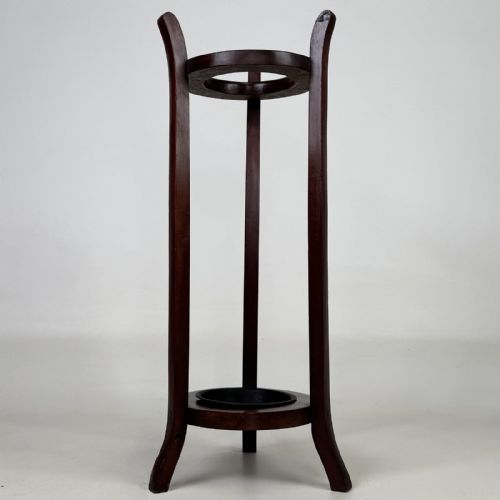
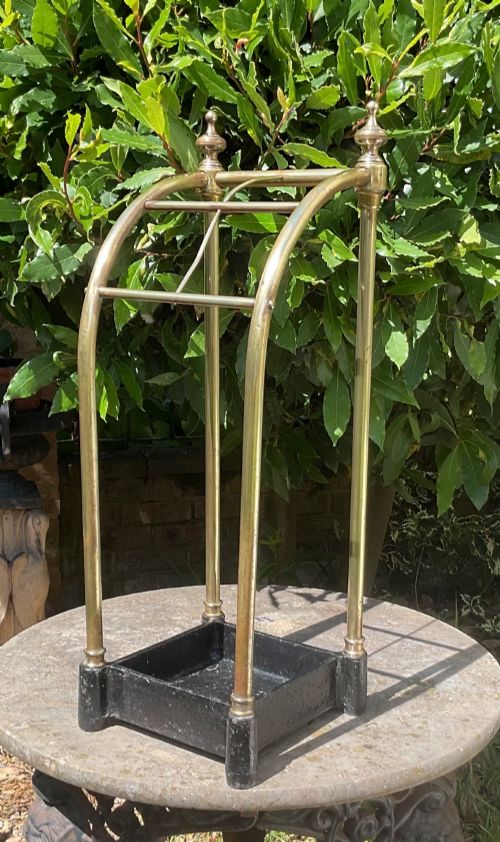
A stick and brolly stand serves as a dedicated hallway receptacle for walking canes, umbrellas and parasols, keeping wet floors dry and halls orderly. These utilitarian hall furnishings appear in various forms, from circular metal frames to architectural portico designs.
Materials and construction methods
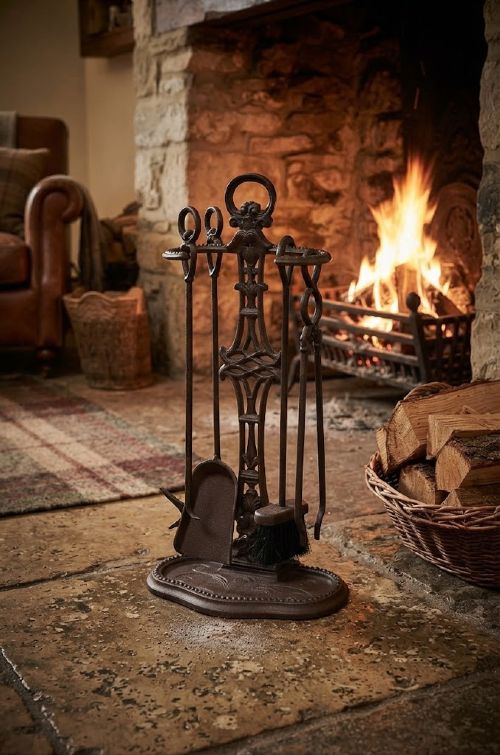
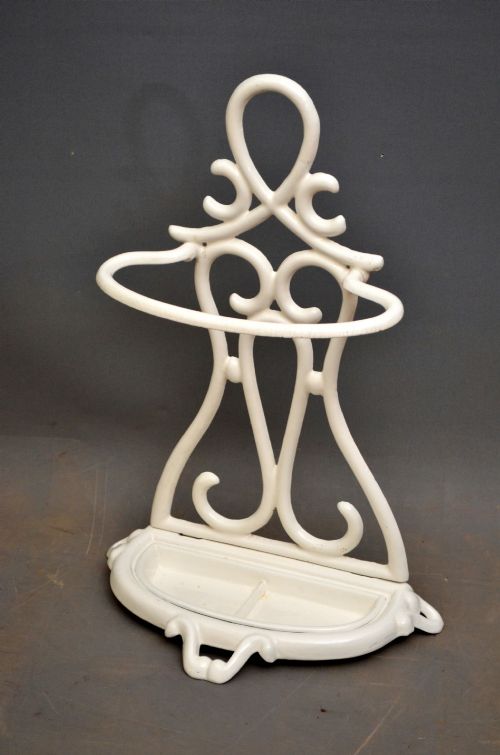
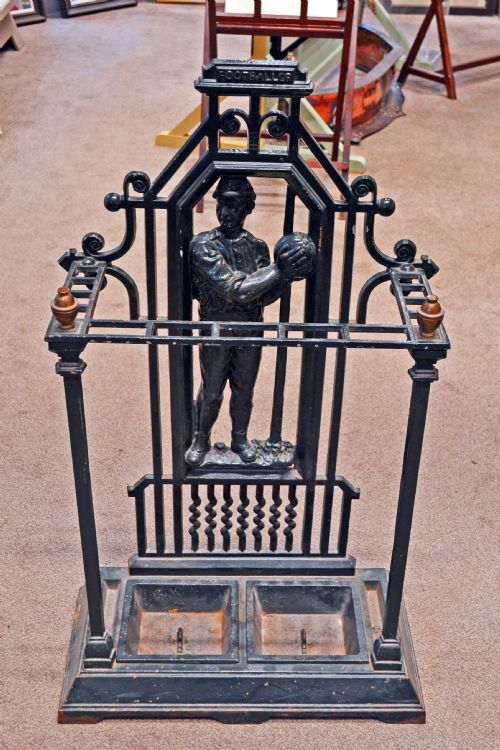
Foundries utilised cast iron to shape intricate framework, sometimes incorporating figural motifs like a footballer or stylized French Art Nouveau curves. Manufacturers frequently added a white enamel finish or combined the metal with brass components.
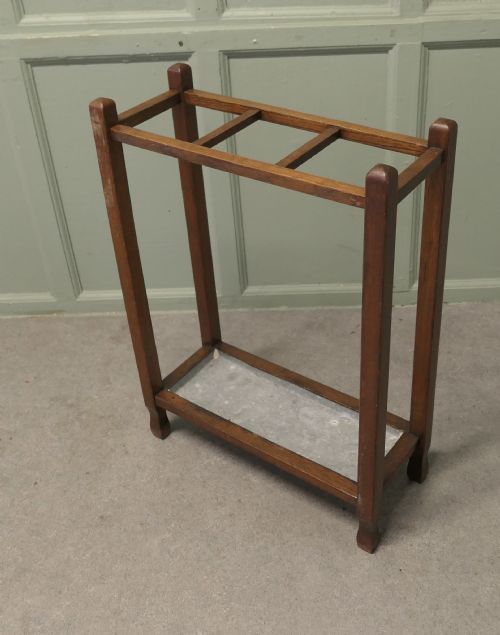
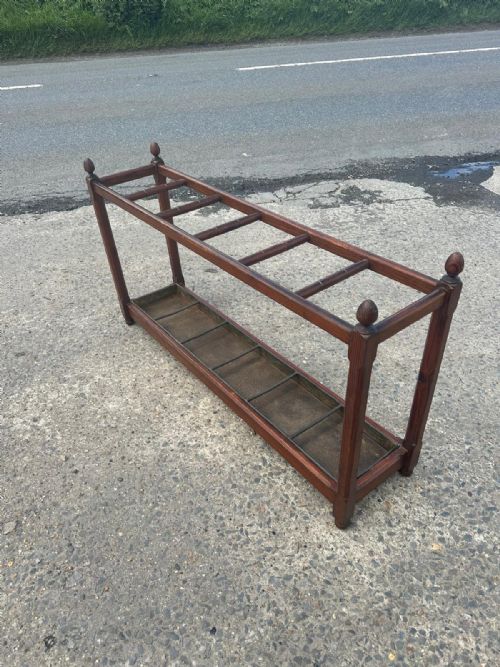
Cabinetmakers constructed timber versions using solid oak, mahogany and pitch pine, selecting woods that could withstand daily moisture from wet umbrellas. Many metal and wooden examples integrated removable zinc trays at the base to catch rainwater.
Stick and Brolly Stand Retail Price Guide 2026
Typical asking prices for stick and brolly stand among the pieces listed under this phrase on Sellingantiques today, from the lower quarter to the upper quarter. They describe what is for sale here now, not the wider market.
Materials represented across the inventory include cast iron, brass, zinc, oak, mahogany and pitch pine.
Distinguishing quality in hall stands
Quality rests in the crispness of the casting detail on ironwork and the selection of timber grain in wooden pieces. Finer examples display deliberate stylistic choices, such as Arts and Crafts joinery or flowing Art Nouveau lines, rather than plain utility.
The presence of original drip pans and robust structural integrity separates superior pieces from standard utilitarian items. Well-preserved finishes on both the metalwork and the wood further elevate the standing of a piece.
The Stick and Brolly Stand Glossary
- Drip pan
- A removable metal tray placed at the base of a stand to collect water from wet umbrellas. These are often zinc and protect the floor underneath.
- Portico stand
- An architectural style of hall stand featuring columns or a frame resembling a classical portico. This design provides structural support for hanging loops and divider bars.
- Pitch pine
- A durable, resinous timber utilised in nineteenth-century country house furniture. It offers natural resistance to moisture.
- Arts and Crafts
- A design movement prioritising traditional craftsmanship and simple forms over mass-produced ornamentation. Pieces in this style often highlight the natural grain of oak.
Stick and Brolly Stand: Frequently Asked Questions
What is a stick and brolly stand?
A stick and brolly stand is a piece of hallway furniture designed to hold walking sticks, canes and umbrellas upright. They provide an organised solution for wet weather gear near the entrance of a home.
These pieces emerged in various materials including cast iron, brass, oak and mahogany. They often incorporate a base tray to catch water and prevent damage to hallway floors.
How were these stands used historically?
In nineteenth and early twentieth-century homes, these stands stood in the hallway or boot room to receive outdoor accessories upon entry. Visitors and residents placed their wet umbrellas and walking sticks inside upon coming indoors from the rain.
The inclusion of zinc trays ensured that moisture remained contained away from wooden floorboards and carpets. Larger country houses required robust iron versions, while domestic townhouses utilised more compact designs.
How do I care for a metal stand?
Metal stands made from cast iron or brass benefit from gentle dusting and protection from damp environments to prevent rust or tarnishing. Checking the base tray regularly for standing water helps preserve the integrity of the metal.
Applying a light wax or appropriate metal polish can maintain the surface finish without altering the patina. Keeping the drip pan clean ensures moisture does not sit against the frame.
How do I distinguish between Victorian and Edwardian examples?
Victorian stands tend to feature heavier cast iron construction with elaborate ornamentation, gothic influences or structured architectural forms like porticos. They often display darker, more robust proportions suited to formal nineteenth-century interiors.
Edwardian pieces, by contrast, frequently exhibit lighter proportions, simpler lines or influences from the Arts and Crafts and Art Nouveau movements. Brass and lighter timbers such as oak became increasingly prominent in hall furnishings during this later period.