

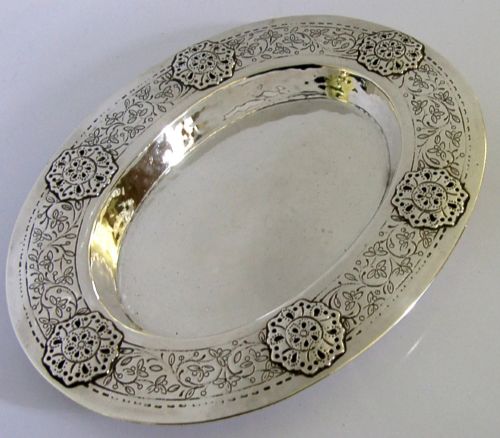
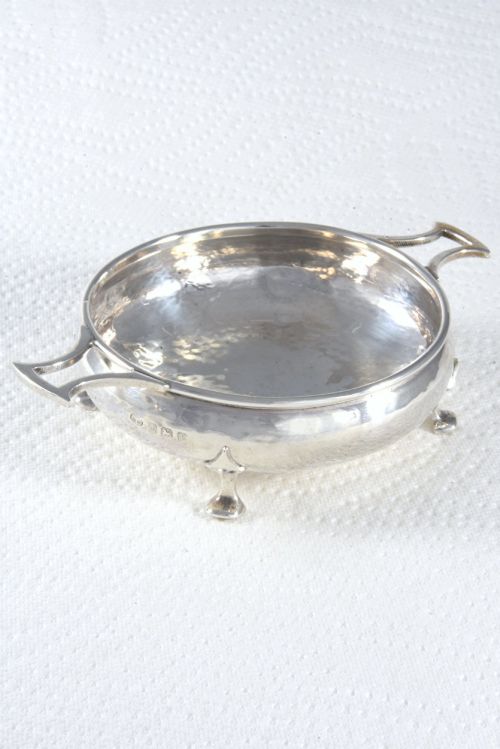
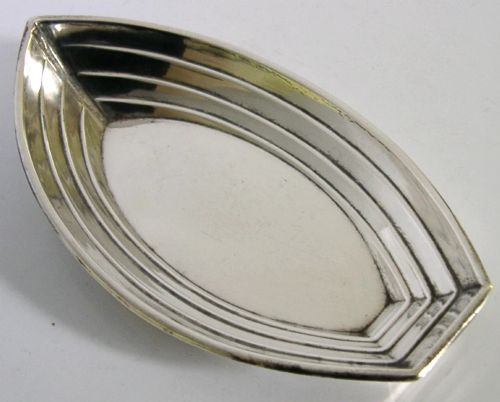
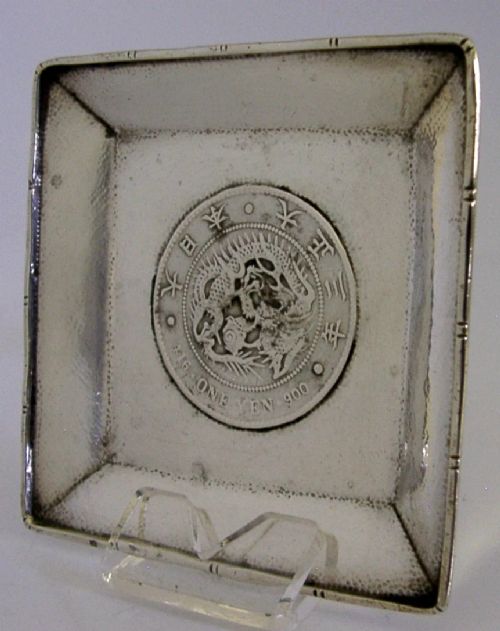

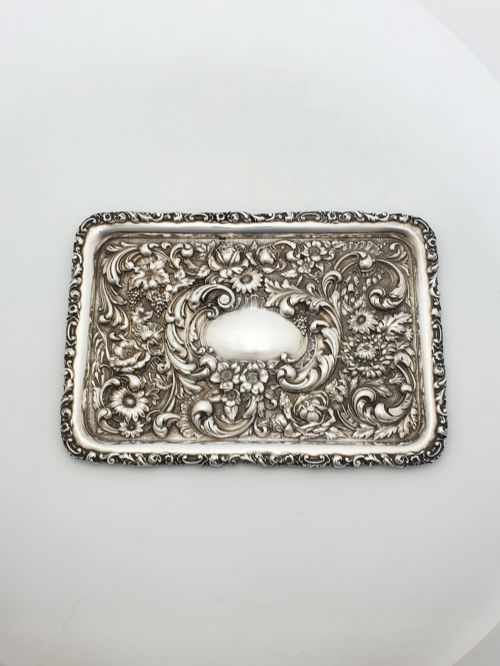
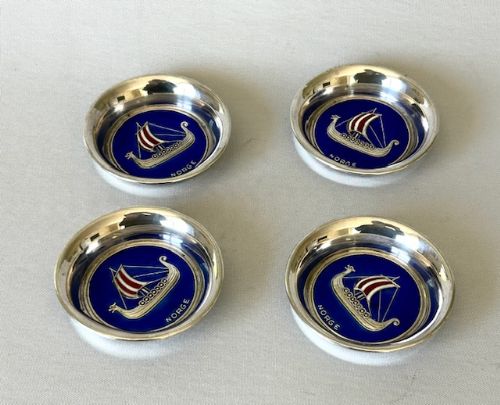
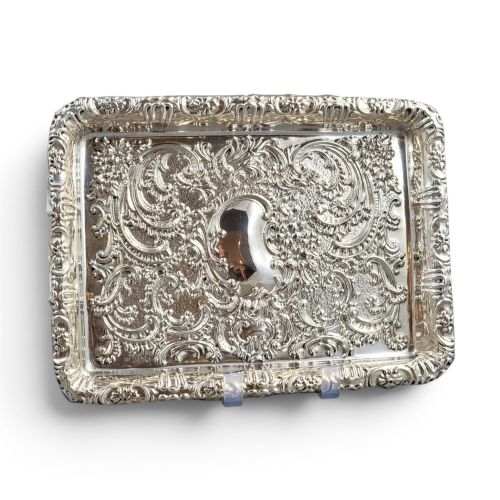
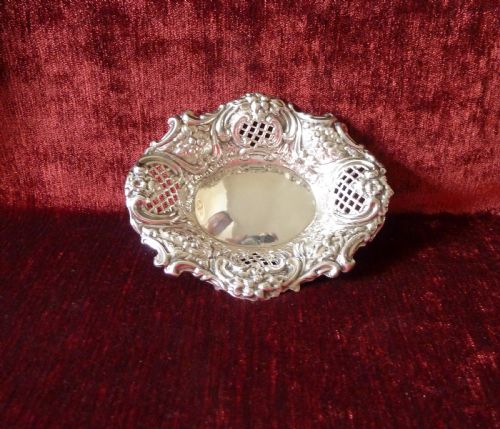
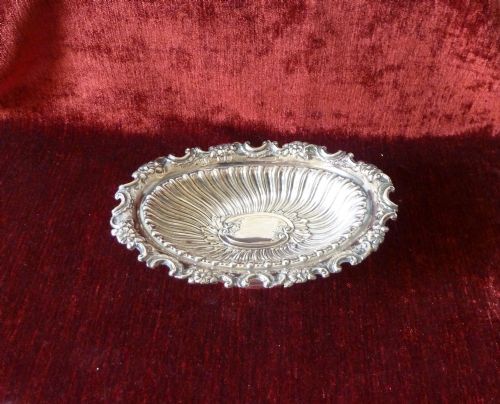


Sterling Silver Trinket Tray
These sterling silver trinket tray pieces offer a practical surface for daily belongings, combining period craftsmanship with utility.
Sterling Silver Trinket Tray
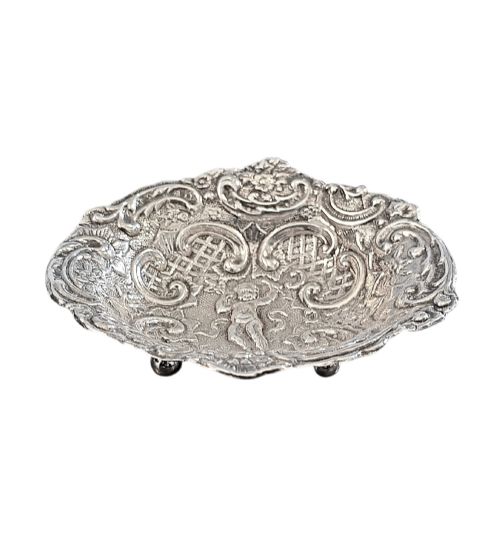
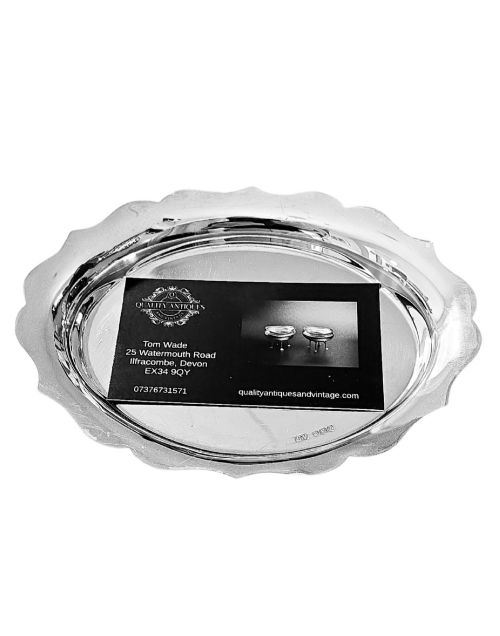
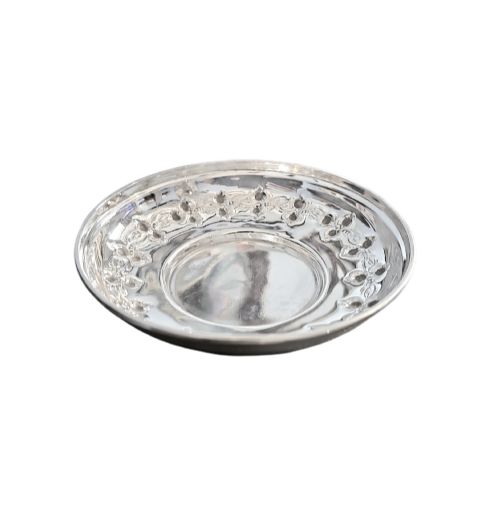
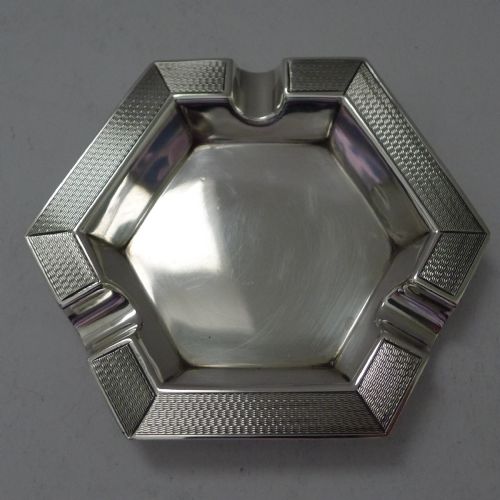
A sterling silver trinket tray serves as a small receptacle for personal items like pins, coins, and dressing table accessories. When you examine this selection, you encounter forms ranging from simple pin dishes to decorative card trays and shaped ashtrays.
The pieces on this page span several decades, crossing Victorian, Edwardian, and Art Deco periods alongside Arts and Crafts and Chinese Export examples. Most items you meet here date from the late nineteenth and early twentieth centuries, made in sterling silver.
Makers shaped these items into hearts, ovals, and rectangular dishes, occasionally incorporating fitted interiors of velvet or satin. Chinese Export and Scandinavian modern pieces also appear, alongside novelty designs modelled as rowing boats.
How they were made
Silversmiths constructed these trays predominantly from sterling silver and standard silver, utilising techniques such as hammering, casting, and repoussé decoration to raise floral and figurative motifs from the metal surface.
Some examples combine silver with enamel work, tortoise shell, or coral accents, while dressing table pieces frequently include fitted fabric linings like velvet or satin to protect delicate items.
Maker marks, town marks, and date letters are typically stamped directly into the silver surface, providing a clear record of the assay office and year of production.
Sterling Silver Trinket Tray Retail Price Guide 2026
Typical asking prices for sterling silver trinket tray among the pieces listed under this phrase on Sellingantiques today, from the lower quarter to the upper quarter. They describe what is for sale here now, not the wider market.
What varies in quality
The distinction between standard production and superior quality lies in the crispness of the repoussé work and the weight of the silver used in the dish. Heavier gauges of metal resist bending and maintain sharper relief in decorative motifs like floral scrolls or figural scenes.
Workmanship on the edges and feet also dictates standing quality, where smooth rolling and solid soldering distinguish careful construction from simpler fabrication. Enamel preservation and the integrity of inset materials like tortoise shell heavily influence the overall standard of surviving examples.
William Neale·Liberty & Co·Wallace·Robert Pringle & Sons·William Comyns·John Grinsell & Sons·James Hennell·Mappin & Webb
The Sterling Silver Trinket Tray Glossary
- Repoussé
- Metalworking technique where the design is hammered into relief from the reverse side. This method creates textured, three-dimensional decorative patterns across the tray surface.
- Assay mark
- Official stamp indicating the purity of the metal and the testing office. These marks help determine the origin and exact year of manufacture.
- Pin dish
- A small shallow vessel designed for holding pins or loose change. They are frequently found among Edwardian and Victorian dressing table items.
- Chinese Export
- Silver items produced in China specifically for Western markets during the nineteenth and twentieth centuries. These pieces often feature traditional regional motifs executed in sterling silver.
Sterling Silver Trinket Tray: Frequently Asked Questions
What were trinket trays used for?
These small dishes held daily pocket items, hairpins, and small jewellery pieces on dressing tables or entrance halls.
They kept loose personal effects organised and protected polished furniture surfaces from scratches.
How do I date a silver tray?
Assay office hallmarks stamped into the metal provide the specific year letter and town mark for British items.
Stylistic indicators like Art Nouveau curves or Victorian repoussé also point to the correct decade of manufacture.
Are these trays made of solid silver?
The items listed here are made from sterling silver, solid silver, or regional silver standards rather than plated base metals.
Checking the hallmarks confirms the silver purity standard used by the silversmith.
How do I care for antique silver?
Gentle cleaning with a soft cloth removes tarnish without wearing down the delicate embossed details or thin repoussé work.
Avoiding abrasive polishes preserves the original surface finish and any applied enamel or tortoise shell.