


Sterling Silver Tea Caddy Spoon
When you handle a sterling silver tea caddy spoon, you hold a small, purposeful tool designed to measure loose tea leaves from caddy to pot.
Sterling Silver Tea Caddy Spoon
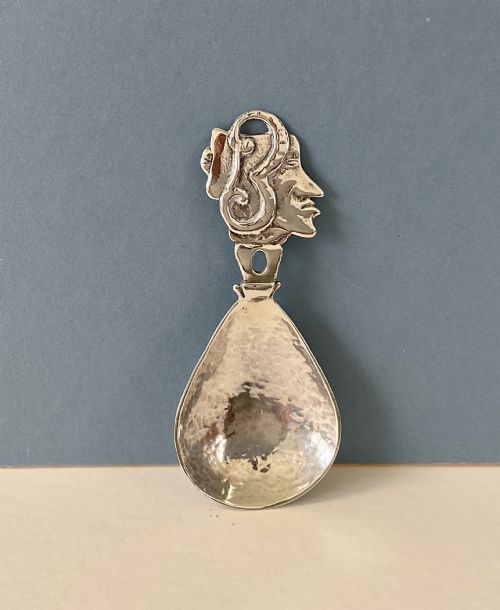
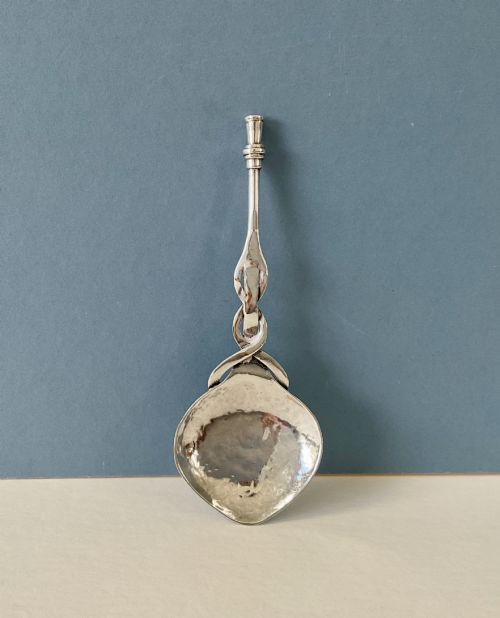
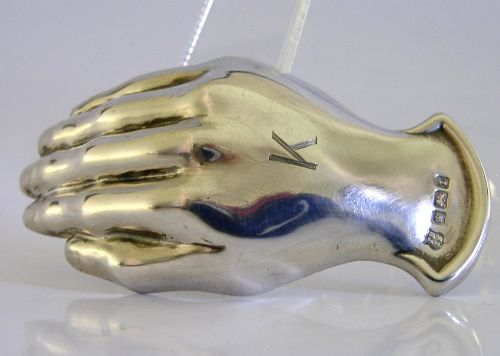
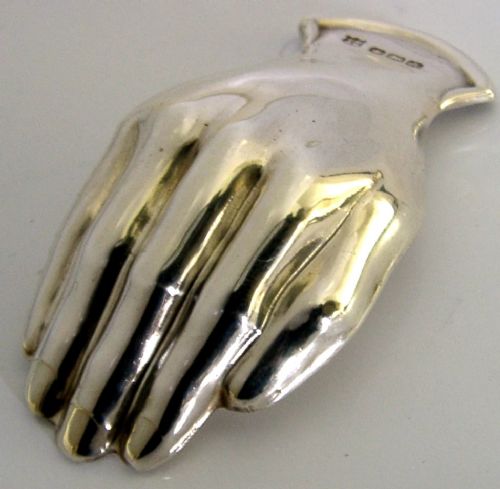
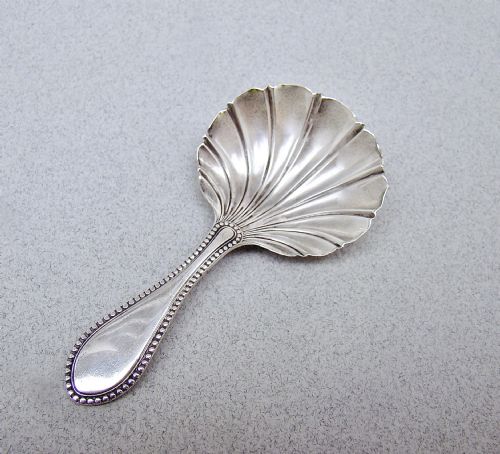
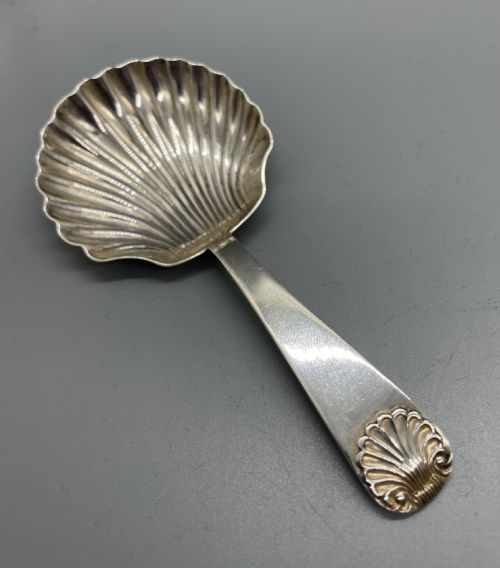
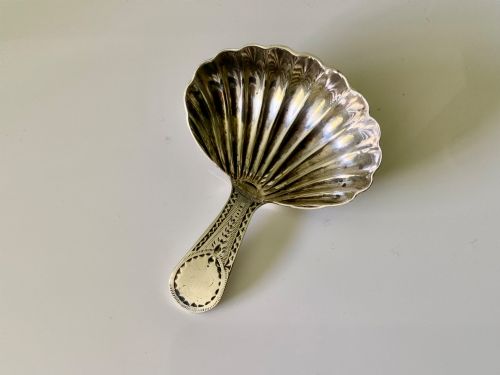
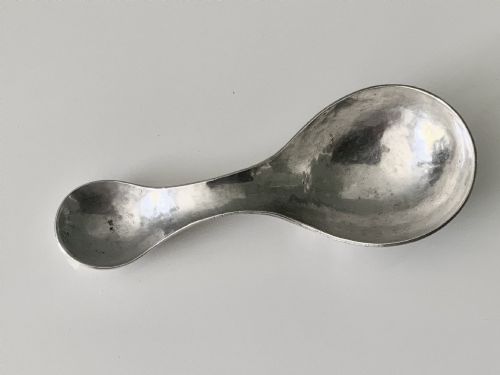
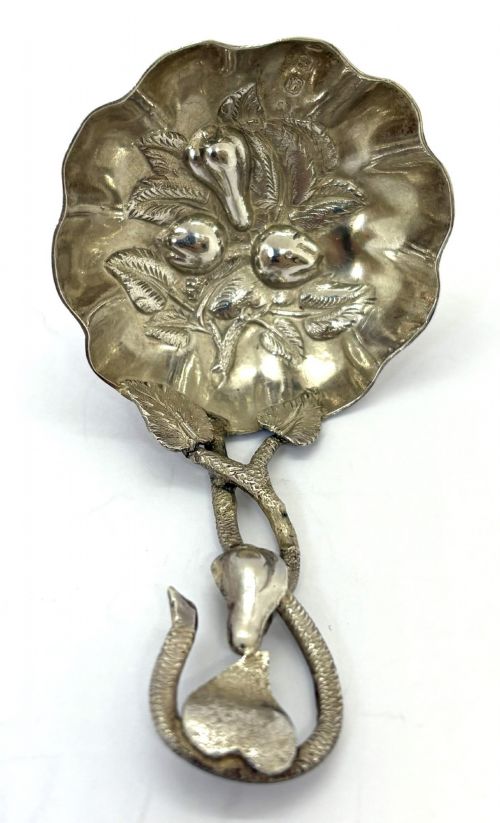
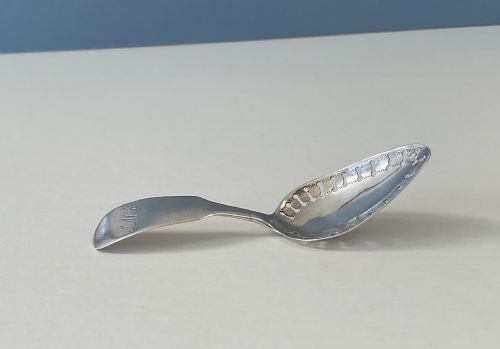
The pieces on this page appear in various forms, including traditional shell bowls, vine leaf motifs, jockey caps, hands, and clean Danish shapes. These objects combine practical utility with decorative miniature sculpture, reflecting the shifting tastes of tea drinkers over three centuries.
Materials and construction
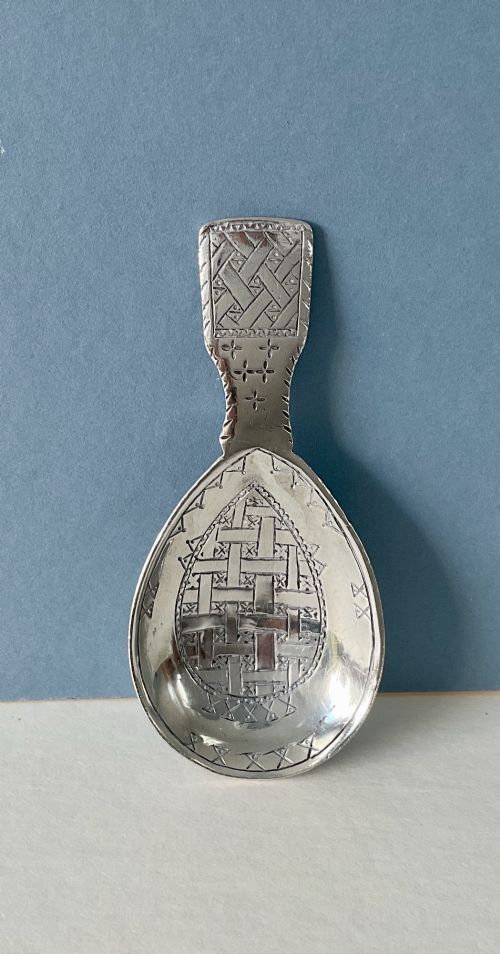
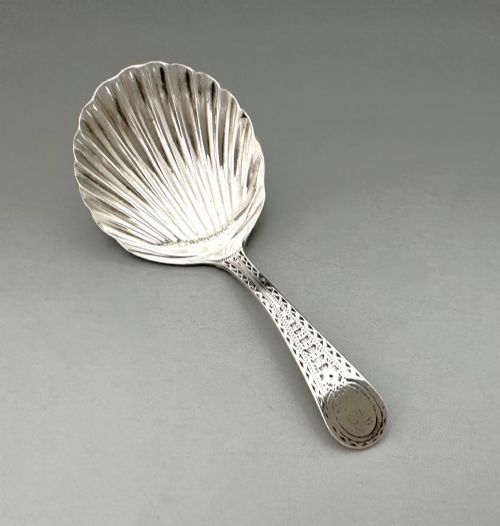
Makers shaped these spoons predominantly from sterling silver, occasionally utilising silver gilt, parcel-gilt, enamel, or mother-of-pearl accents. Techniques involved striking silver sheet into dies, casting novelty forms such as hands or caps, and hand-engraving delicate patterns onto handles and bowls.
Makers also applied applied enamel work and integrated parcel-gilt finishes to highlight specific design elements like leaves or modernist handles.
Listings feature sterling silver, silver gilt, and enamel materials across Georgian, Victorian, and mid-century modern styles.
The markers of quality
Quality in a sterling silver tea caddy spoon rests in the crispness of the chasing, the weight of the metal, and the originality of the form. Novelty shapes and detailed hand-engraved motifs demand greater skill from the maker than plain utility pieces.
The clarity of the hallmarks and the preservation of delicate elements like enamel or slender stems distinguish finer examples from standard production.
Martin Hall & Co·Joseph Willmore·William Neale·David Andersen·Georg Jensen·Mappin & Webb·George Unite
The Sterling Silver Tea Caddy Spoon Glossary
- Sterling silver
- A standard of silver containing 92.5 percent pure silver by mass, with the remainder consisting of other metals, usually copper.
- Parcel-gilt
- A technique where only specific portions of a silver object receive a thin layer of gold, leaving the rest as silver.
- Silver-gilt
- Silver that has been entirely coated with a thin layer of gold, sometimes referred to as vermeil.
- Hallmark
- An official mark stamped on items made of precious metals, indicating the standard of purity, the assay office, and the date letter.
- Novelty spoon
- A spoon fashioned into a pictorial or unusual three-dimensional shape, such as a hand, a jockey cap, or a leaf.
Sterling Silver Tea Caddy Spoon: Frequently Asked Questions
What is a tea caddy spoon used for?
These spoons were made to scoop dried tea leaves from a storage caddy into a teapot. Their short handles and broad bowls suited the confines of traditional tea containers.
They functioned as both practical kitchen tools and decorative tabletop accessories during formal tea services.
How do I identify a Georgian caddy spoon?
Georgian examples often feature bright-cut engraving, shell bowls, or leaf designs produced between the reigns of George III and George IV. You rely on legible hallmarks showing town marks, date letters, and maker stamps to confirm the era.
Style indicators such as fiddle handles and acorn motifs also point toward late eighteenth and early nineteenth-century production.
How should I care for silver caddy spoons?
Silver caddy spoons require gentle washing in warm soapy water and careful drying with a soft cloth to preserve the metal finish. Avoid abrasive dips or harsh scrubbing that can remove fine hand-engraving or damage delicate enamel work.
Store them in a dry environment to slow down natural tarnishing over time.