


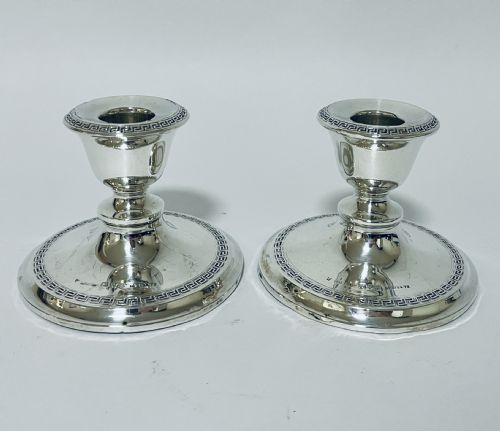


Sterling Silver Sticks
Sterling silver sticks encompass a remarkably diverse group of items, ranging from elegant candlesticks to practical walking canes.
Sterling Silver Sticks
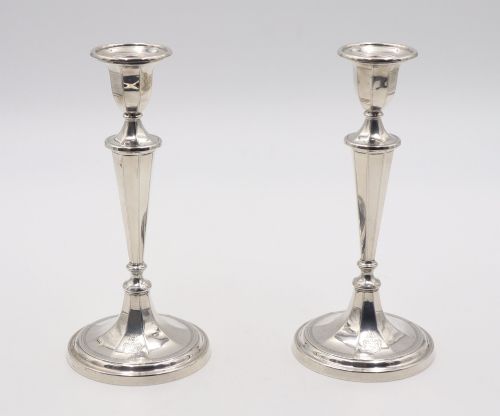
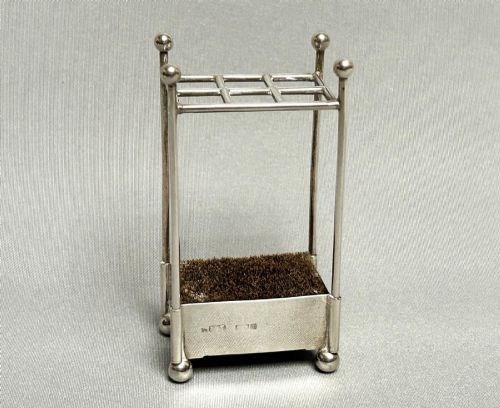
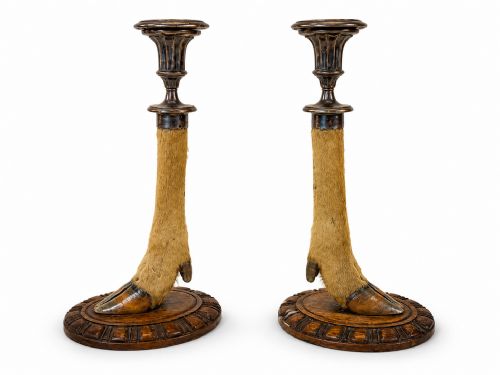
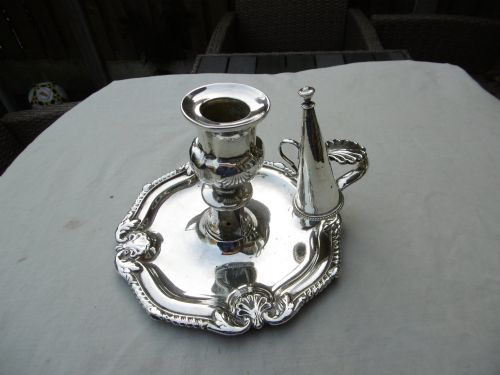
Sterling silver sticks cover a broad spectrum of functional and decorative items found on this page. Buyers seeking sterling silver sticks frequently encounter items intended for lighting, such as candlesticks, chambersticks, and candelabras.
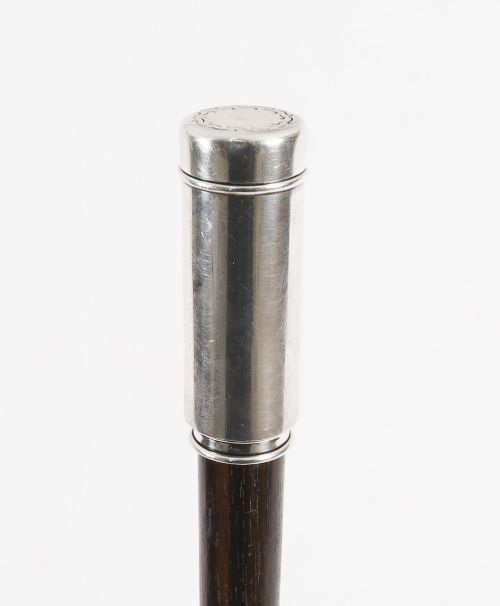
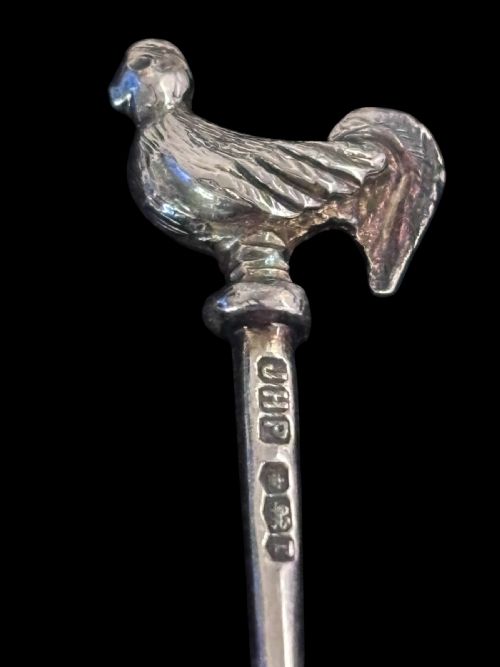
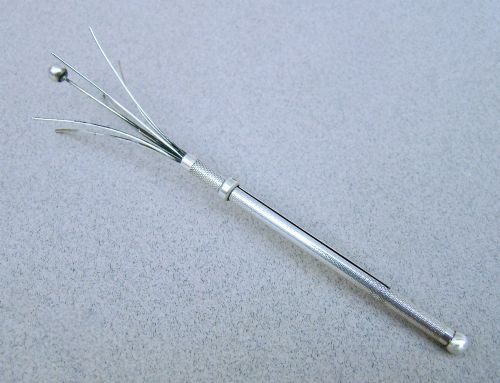
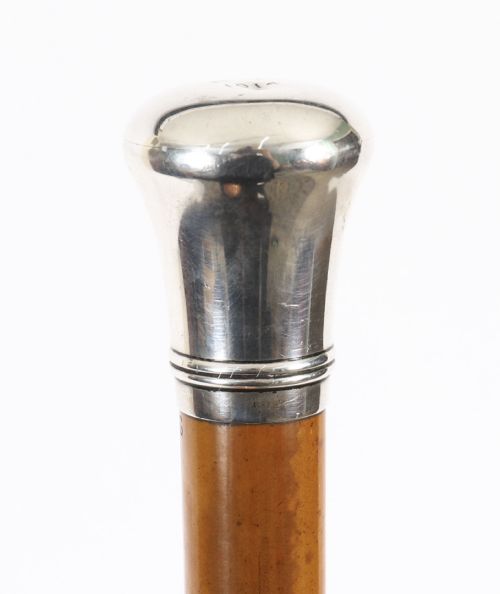
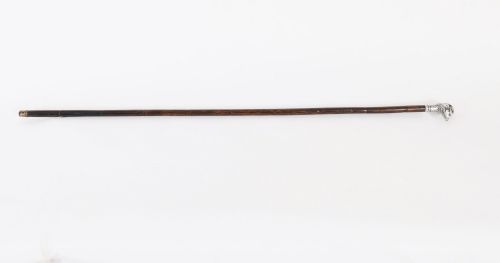
Beyond lighting, the selection includes walking canes and sticks fitted with silver handles, alongside smaller accessories like cocktail sticks, hat pins, and wax holders. These pieces span multiple eras, including Georgian, Victorian, Edwardian, and Art Deco periods.
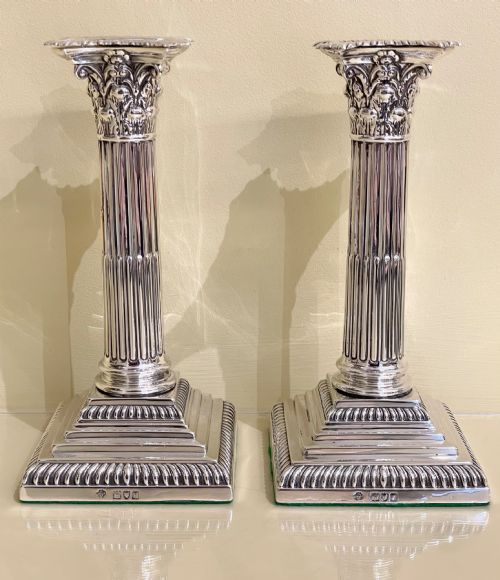
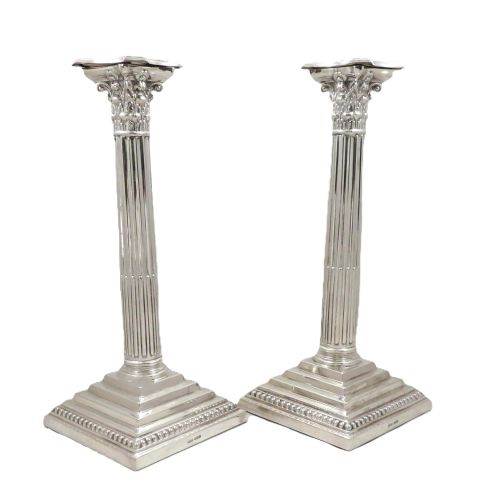
Candlesticks and walking canes dominate the available forms, representing both utilitarian objects and refined accessories. Each period brings distinct stylistic traits, from Neoclassical Revival columns to naturalistic Victorian designs.
How they were made
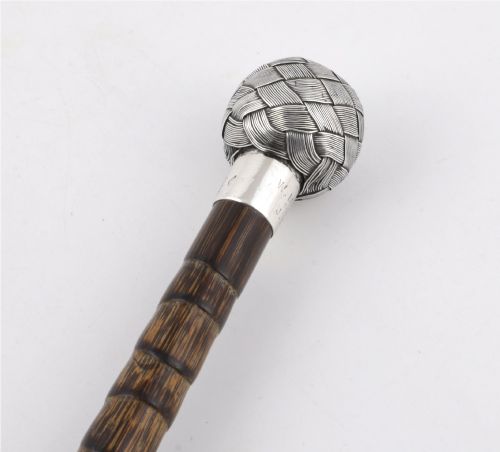
Makers utilised sterling silver alongside supporting materials like wood, bamboo, glass, and enamel to construct these pieces. Walking sticks combine shafts of organic materials with cast or repoussé silver handles.
Candlesticks and chambersticks rely on solid silver construction or silver plating over supportive cores, often incorporating classical columns or ornate naturalistic motifs. Cocktail sticks and hat pins frequently integrate enamel work and cut glass holders into their design.
Sterling Silver Sticks Retail Price Guide 2026
Typical asking prices for sterling silver sticks among the pieces listed under this phrase on Sellingantiques today, from the lower quarter to the upper quarter. They describe what is for sale here now, not the wider market.
A distinguished gentleman in 1900 could steady his walk with a silver-headed duck while concealing a sharp sword inside the bamboo shaft.
What varies in quality
Quality in sterling silver sticks rests upon the weight of the metal, the clarity of the hallmarks, and the precision of the workmanship. Pieces featuring detailed chasing, such as duck head cane handles or naturalistic chambersticks, demonstrate superior craftsmanship.
The integration of secondary materials like enamel, amber glass, or carved bamboo also distinguishes finer examples from standard production. Maker attribution, such as works associated with known silversmiths, elevates the standing of individual pieces.
Thomas Johnson·Briggs·Garrard and Co·Sampson Mordan
The Sterling Silver Sticks Glossary
- Sterling silver
- An alloy consisting of silver and other metals, typically copper, meeting a specific standard of purity required for silverware. This material forms the primary substance for the handles, shafts, and holders catalogued here.
- Chamberstick
- A short candlestick fitted with a pan to catch dripping wax and a handle for carrying from room to room. These portable lighting devices often date from the Georgian and Victorian eras.
- Hallmark
- An official stamp applied by an assay office indicating the purity of the silver, the maker, and the year of production. These marks provide definitive evidence of age and origin.
- Repoussé
- A metalworking technique where the silver is hammered from the reverse side to form a raised design on the front. This method creates the dimensional ornamentation seen on many Victorian handles and sticks.
- Candelabra
- A branched candlestick holding multiple lights on a single base. These larger pieces often appear in pairs and provide substantial illumination.
Sterling Silver Sticks: Frequently Asked Questions
What periods do these silver sticks represent?
The inventory spans several centuries, starting from the Georgian era through the Victorian and Edwardian periods, extending into Art Deco and mid-century modern designs.
Each era introduces distinct decorative styles, ranging from restrained neoclassical columns to ornate naturalistic patterns and geometric Art Deco forms.
How do I identify a walking stick handle?
Walking stick handles often feature solid sterling silver formed into specific shapes like duck heads, wire knots, or plain curved grips. Hallmarks stamped directly onto the silver surface usually reveal the city of assay and the exact year of production.
Wooden or bamboo shafts support these silver grips, sometimes incorporating additional metal collars or mounts near the join.
What is the difference between a chamberstick and a candlestick?
A candlestick stands on a fixed surface to illuminate a table or mantelpiece, often built as part of a matching pair. It lacks the wide drip pan and looped finger ring characteristic of portable lighting.
A chamberstick includes a saucer-like base designed to catch falling wax while someone carries the light through a dark hallway or up a staircase.
How are cocktail sticks presented?
Sets of cocktail sticks typically arrive in matched groupings, sometimes accompanied by fitted containers made from cut glass and silver. Individual picks often feature decorative enamel tops or shaped ends.
These small accessories date primarily to the early twentieth century, reflecting the popularity of cocktail culture during the Art Deco period.