





Sterling Silver Fish
When pursuing sterling silver fish items, collectors acquire distinct dining implements, servers, and decorative objects shaped by centuries of silversmithing.
Sterling Silver Fish
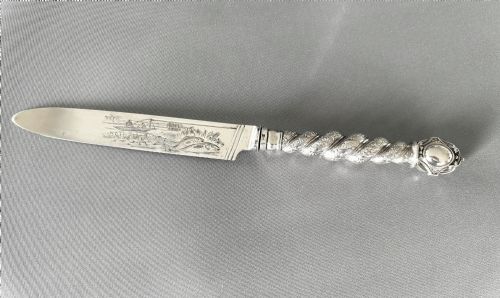
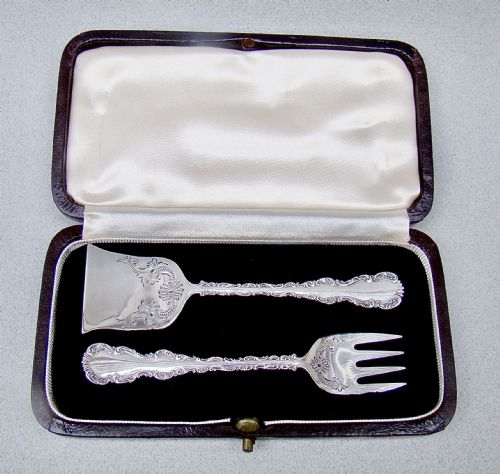
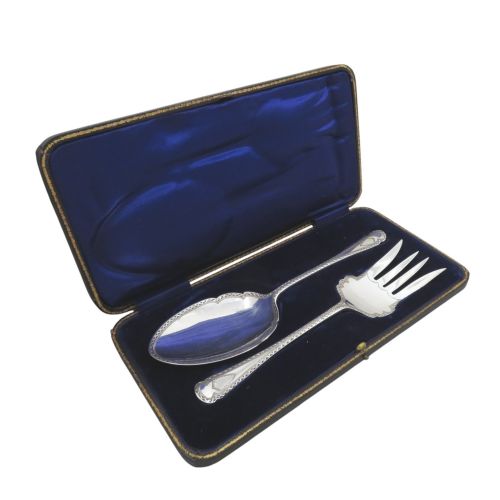
Items associated with sterling silver fish encompass a broad range of serving implements, specialised cutlery, and decorative objects. Slices and servers designed for fish courses form a significant portion of these pieces, often appearing alongside cased fork and knife sets.
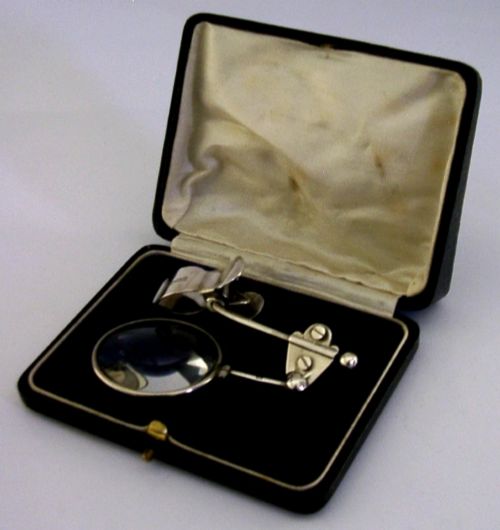
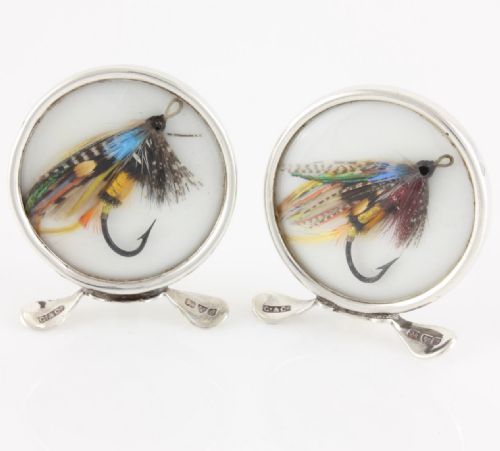
Beyond practical cutlery, the category includes novelty boxes, menu card holders, magnifying glasses, and figurative models spanning Georgian, Victorian, and mid-century periods. These objects reflect the historical formality of nineteenth and early twentieth-century dining habits.
How They Were Made
Makers utilised solid sterling silver alongside supplementary components such as glass, horn, and enamel. Presentation cases frequently incorporated internal linings of velvet, satin, silk, leatherette, or leather.
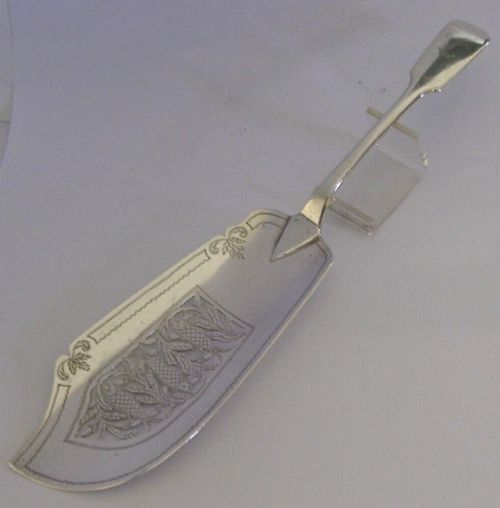
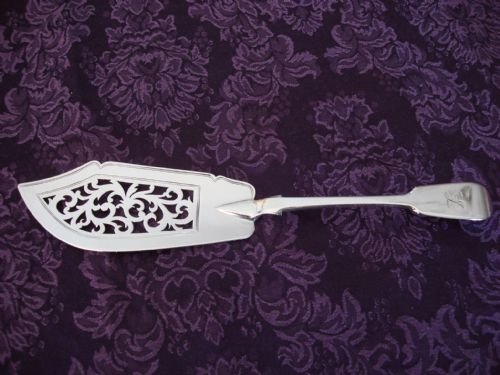
Piercing and engraving techniques defined the blades of servers and slices, allowing craftsmen to create intricate patterns depicting marine life, foliage, and geometric motifs.
Sterling Silver Fish Retail Price Guide 2026
Typical asking prices for sterling silver fish among the pieces listed under this phrase on Sellingantiques today, from the lower quarter to the upper quarter. They describe what is for sale here now, not the wider market.
What Varies in Quality
The degree of hand-piercing and depth of engraving on a fish slice blade distinguishes standard production from exceptional examples. Heavy gauge metal contributes to a more substantial weight in the hand.
The preservation of original fitted presentation cases and the clarity of maker marks or family crests influence the overall integrity of a piece.
Henry Wilkinson·Georg Jensen·Grey and Co·Thomas Daniell·Mario Buccellati·Elizabeth Eaton·George Adams·Charles Boyton
The Sterling Silver Fish Glossary
- Fish slice
- A wide, flat serving implement designed specifically for presenting portions of fish at the dining table. They frequently feature pierced decoration.
- Fiddle pattern
- A traditional cutlery handle shape characterised by a narrow stem that broadens into a shoulder before flaring out at the squared terminal. This design gained immense popularity during the Georgian and Victorian eras.
- Hallmark
- A series of stamped official marks applied to precious metals indicating the standard of purity, the assay office, and the year of manufacture. These symbols provide verified historical provenance.
- Spicing box
- A small lidded container used historically for holding condiments or spices at the table. Articulated variants utilise hinged segments to mimic the flexible body of a fish.
Sterling Silver Fish: Frequently Asked Questions
How do I identify a Victorian fish server?
Victorian pieces typically display official hallmarks indicating the date of assay and the maker's mark during the reign of Queen Victoria. Stylistic indicators include ornate engraving and fitted velvet-lined cases.
Many examples from this era also incorporate natural materials like mother-of-pearl or cow horn handles alongside solid silver.
Are fish cutlery sets still functional?
Fish knives and forks remain entirely usable for formal dining or seafood courses today. Their specific blade shapes assist in separating fish flesh from bones without damaging the food.
Collectors often acquire complete cased sets to utilise during special dinners or to preserve as part of a silver collection.
What distinguishes Georgian fish slices?
Georgian fish servers generally exhibit simpler, elegant forms such as fiddle pattern handles or hand-pierced neoclassical motifs. They reflect the dining customs of the eighteenth and early nineteenth centuries.
These earlier pieces often bear distinct maker marks from prominent silversmiths active prior to the Victorian period.