



Sterling Silver Cross
These sterling silver cross pieces span centuries of devotional work and domestic silver, offering both personal pendants and ecclesiastical metalwork.
Sterling Silver Cross
When you search for a sterling silver cross, you encounter a remarkably varied group of objects ranging from personal pendants and lockets to substantial altar pieces and ecclesiastical boxes. The examples appearing on this page draw from the Victorian, Edwardian, and mid-century periods, alongside earlier Georgian iterations.
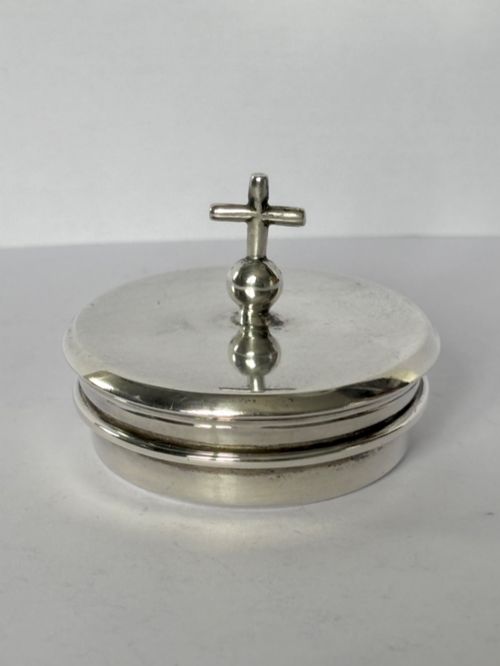
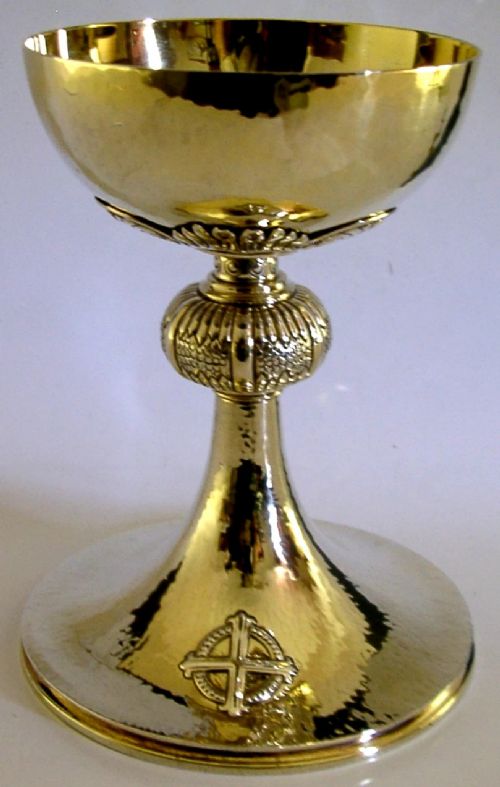
The wearable versions tend to be pendants or necklaces set with stones like moonstone, garnet, onyx, or marcasite. Concurrently, the larger liturgical items include chalices, pyx boxes, and altar crosses that reflect specific centuries of ecclesiastical devotion.
What varies in quality
Quality in these pieces is dictated by the crispness of the maker's mark, the depth and clarity of the chased or engraved ornament, and the integrity of the stone settings. Substantial weight and balanced proportions distinguish the finer altar crosses and chalices from lighter domestic items.
The finesse of the metalwork, whether in the interlocking links of a chain or the structural joinery of a pyx box, determines the distinction between standard production and exceptional craftsmanship.
Sterling Silver Cross Retail Price Guide 2026
Typical asking prices for sterling silver cross among the pieces listed under this phrase on Sellingantiques today, from the lower quarter to the upper quarter. They describe what is for sale here now, not the wider market.
Some crosses double as vesta cases or sealing wax holders, keeping correspondence secure while maintaining a pious facade.
F Osbourne and Co·AR Mowbray and Co·Henry Cook·William Sumner and Richard Crossley
The Sterling Silver Cross Glossary
- Pyx box
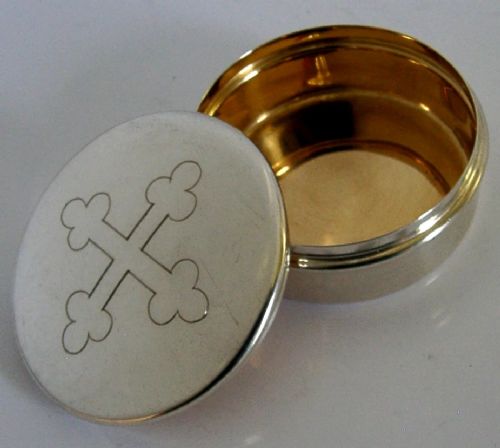
- A small round container used in Christian ministry to carry the consecrated host. These are often executed in sterling silver gilt with hinged lids.
- Marcasite
- Pyrite crystals cut and set into silver mountings to provide a glittering, diamond-like sparkle. This material is particularly common in Edwardian and mid-century jewellery.
- Epergne
- A decorative centrepiece designed for the dining table with multiple branching holders. The evidence includes twin fluted silver versions from the Edwardian era.
- Chalice
- A large cup used for sacramental wine during religious services. Examples recorded here feature heavy sterling silver construction and gilt interiors.
Sterling Silver Cross: Frequently Asked Questions
How do I date a silver cross?
Dating relies primarily on the hallmarking stamped into the metal, which indicates the assay office, standard, and date letter for the year of production. Stylistic markers such as Victorian foliate engraving or mid-century modernist lines offer additional clues.
The presence of specific maker's marks further narrows the timeline, aligning the piece with recorded working periods of silversmiths and ecclesiastical suppliers.
What is a pyx box?
A pyx box is a small, portable container traditionally used to transport the Eucharist to the sick or homebound. They are typically circular, manufactured in sterling silver, and often finished with a gilt interior.
Many bear religious engraving or symbols on the lid, reflecting their sacred function within Christian liturgy.
Are these pieces wearable?
Wearability depends entirely on the specific object type listed under the search. Pendant necklaces and locket crosses are designed for personal adornment and daily wear.
Conversely, altar crosses, dish crosses, and pyx boxes serve decorative, liturgical, or domestic display functions rather than personal wear.
What stones are set in these crosses?
The stones found in these pieces include marcasite, moonstone, garnet, and onyx. Marcasite provides a bright, metallic sparkle, while stones like moonstone and garnet introduce softer or deeper colour tones.
These gems are typically bezel-set or flush-mounted into the silver frame of the pendant or crucifix.