




Sterling Silver Brooch Pin
These sterling silver brooch pin pieces combine intricate metalwork and wearable history, offering collectors miniature works of art spanning the Victorian era to the mid-century.
Sterling Silver Brooch Pin
A sterling silver brooch pin takes many forms, ranging from naturalistic insects and animals to geometric Art Deco designs and floral motifs. Buyers search for these pieces to wear distinct period accessories that display miniature craftsmanship in silver, enamel, and gemstones.
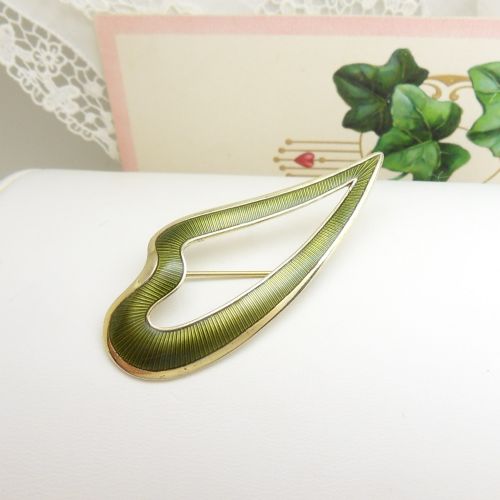
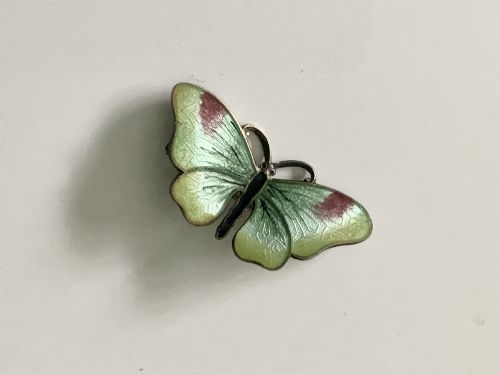
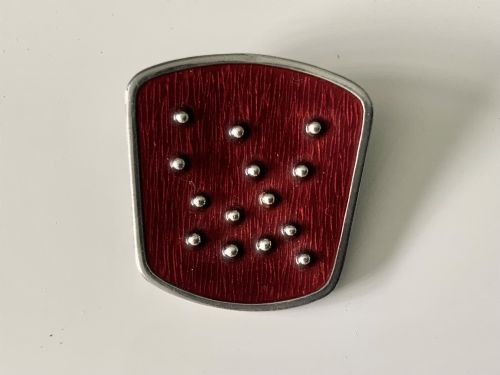
The selections span over a century of design, including Victorian agate pieces, Edwardian moonstone insects, and Scandinavian enamel butterflies. Mid-century Scandinavian and British modernist workshops provide clean lines, while earlier decades lean toward intricate filigree and figurative subjects.
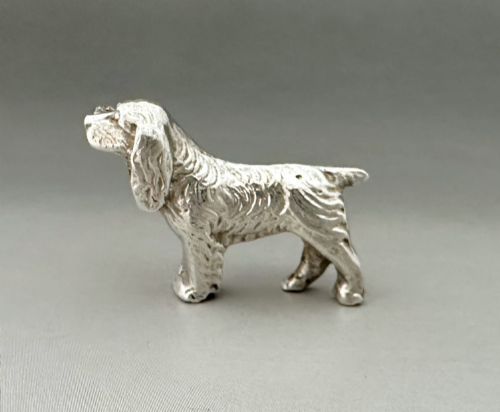
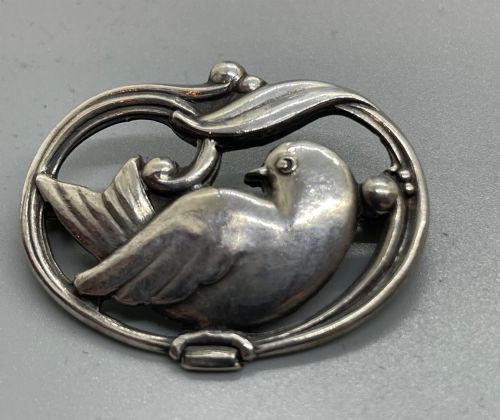
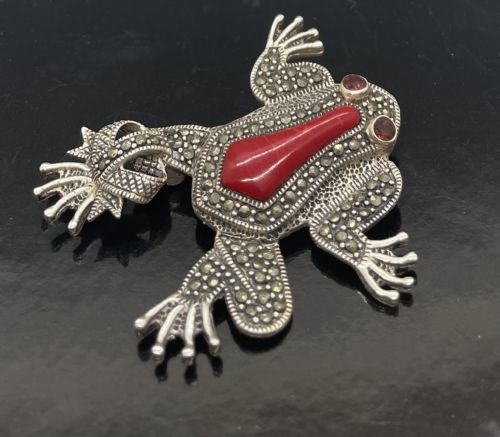
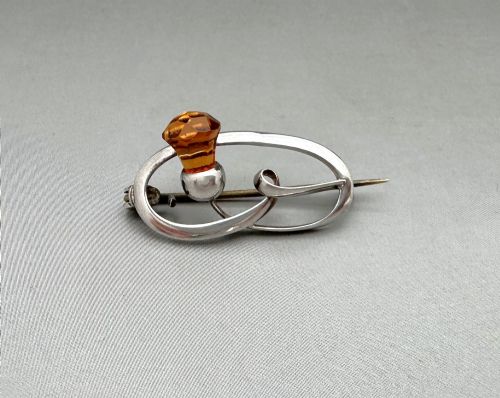
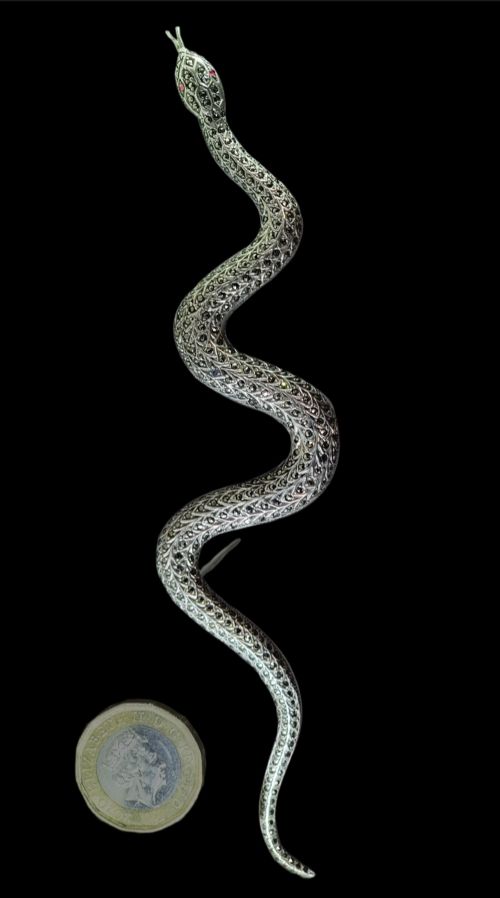
Figurative subjects include dogs, frogs, snakes, and birds, alongside nautical themes and Scottish thistle kilt pins. These diverse designs mean collectors find everything from stark modernist silver to brightly enamelled flora and fauna.
How they were made
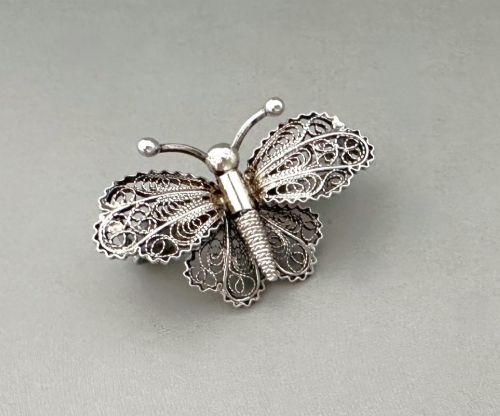
Silversmiths shaped sterling silver using techniques like hand filigree, casting, and repoussé to create the structural base of each pin. Frames were often gilded or polished to contrast with set stones and enamel work.
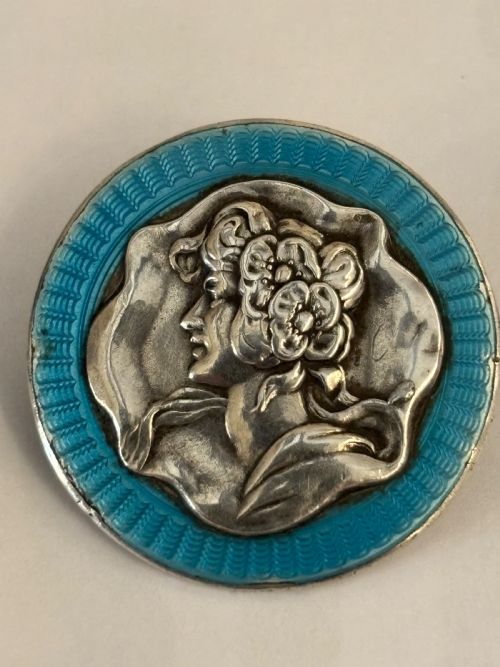
Enamelling methods such as guilloché and vitreous enamel added rich colour to wings, flowers, and shields through fired glass powders. Marcasite crystals, paste stones, moonstones, and butterfly wings were meticulously set into the silver mounts.
Makers utilised traditional hinged pins and safety catches, often characteristic of their specific decade of production, soldered securely to the reverse of the sterling silver body.
Otter feet and leaping frogs rub shoulders with delicate enamel butterflies, proving past generations possessed wonderfully eccentric tastes in lapel adornment.
What varies in quality
The fineness of the metalwork distinguishes standard production from exceptional studio output, particularly in hand-tooled filigree and chased details. Superior pieces display crisp lines in animal feathers, plant stems, and insect wings without casting flaws.
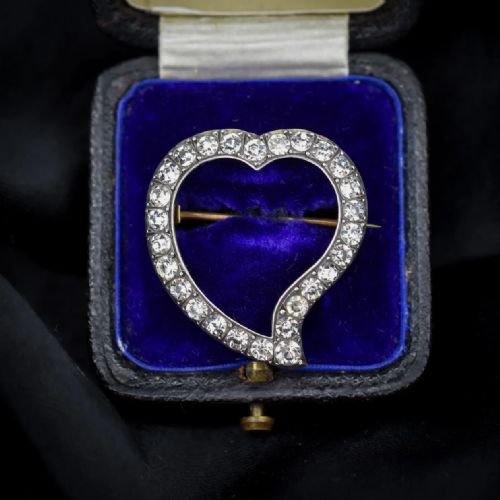
The preservation of applied colour and fragile materials determines a piece's integrity. Intact guilloché enamel without chips, secure butterfly wing panels under glass, and firmly prong-set marcasites or paste stones represent the upper tier of survivals.
Maker attribution elevates certain works, where established Scandinavian or British designers applied precise hallmarks and distinct stylistic signatures that outlast anonymous mass-market output.
A H Darby And Son·Charles Horner·Georg Jensen·John Hart Of Iona·David Andersen
The Sterling Silver Brooch Pin Glossary
- Marcasite
- Iron pyrite cut into small faceted facets and set into silver to resemble sparkling diamonds. This technique is especially common in Art Deco and vintage pieces.
- Guilloché
- A decorative technique where a precise geometric pattern is mechanically engraved into metal beneath a translucent layer of enamel. It adds depth and shimmering texture to coloured surfaces.
- Paste
- Hand-cut lead glass used to imitate precious gemstones in antique and vintage jewellery. High-quality paste stones are individually foiled and set into silver mounts.
- Filigree
- Delicate openwork jewellery created by twisting fine threads of silver together into intricate patterns. This technique requires steady hands and considerable time from the metalsmith.
- Vitrous Enamel
- A material made by fusing powdered glass to a metal substrate through high-temperature firing. The resulting glossy coating resists tarnishing and provides vibrant colour.
Sterling Silver Brooch Pin: Frequently Asked Questions
How do I clean enamel and silver brooches?
Dust the surface gently with a soft microfibre cloth to remove daily debris without scratching the glass or metal. Avoid harsh liquid dips, which ruin enamel and loosen paste stones.
Consult a professional restorer if tarnish sits deep within delicate filigree or around glued settings.
How do I date an antique brooch pin?
Examine the pin mechanism, catch style, and metal stamps on the reverse of the piece. Victorian and Edwardian items often feature tubular hinges and long pin stems extending beyond the edge.
Design motifs also signal eras, such as geometric shapes for the 1920s or organic forms for the Art Nouveau period.
What is butterfly wing jewellery?
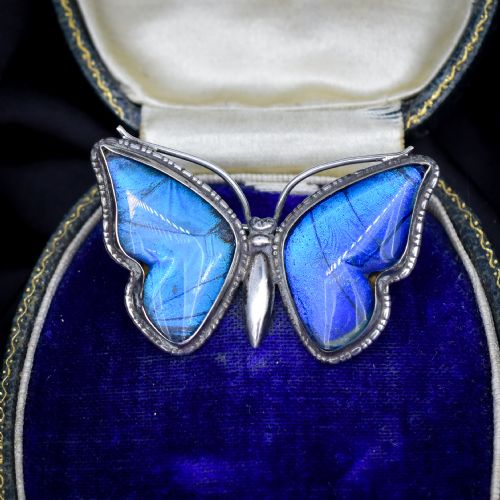
Craftsmen used iridescent morpho butterfly wings preserved under bevelled glass to create miniature landscape scenes or colourful insect wings. These pieces gained immense popularity during the early twentieth century.
Keep these items away from direct moisture and bright sunlight to protect the fragile organic material inside.