




Sterling Napkin Bands
Sterling napkin bands are solid silver table markers that bring formal dining history straight to the modern home.
Sterling Napkin Bands
When you search for sterling napkin bands, you encounter solid silver table markers designed to identify household linen during family meals. These pieces span Victorian, Edwardian, and Art Deco periods, capturing shifts in design from heavy ornamentation to geometric modernism.
Materials and Construction
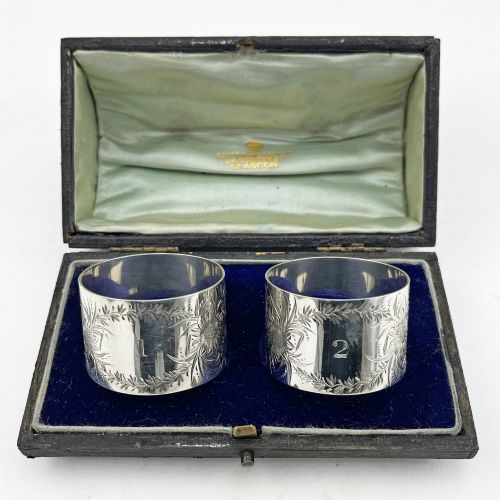
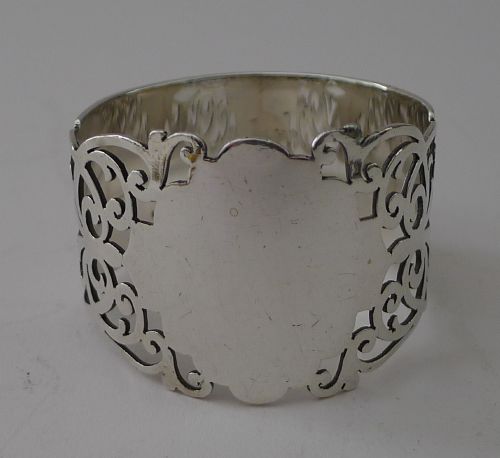
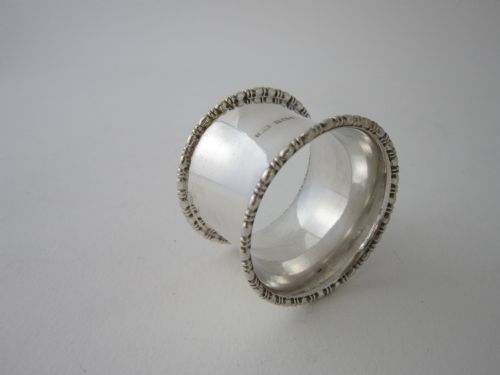
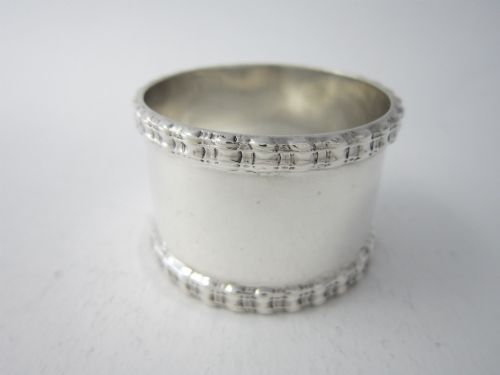
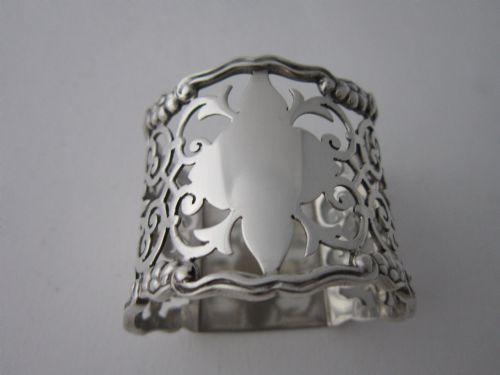
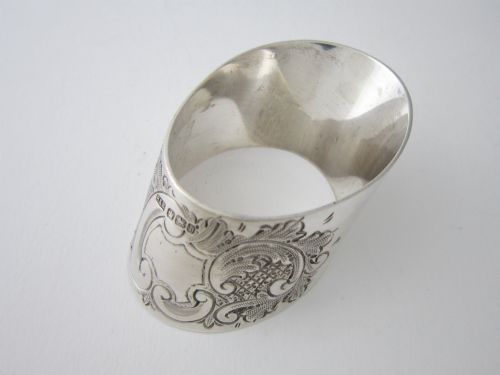
Silversmiths formed these rings from solid sterling silver sheets, joining the edges with solder before hammering or pressing them into circular and D-shape profiles. Many examples receive additional decoration through hand engraving, applied borders, or pierced cutwork.
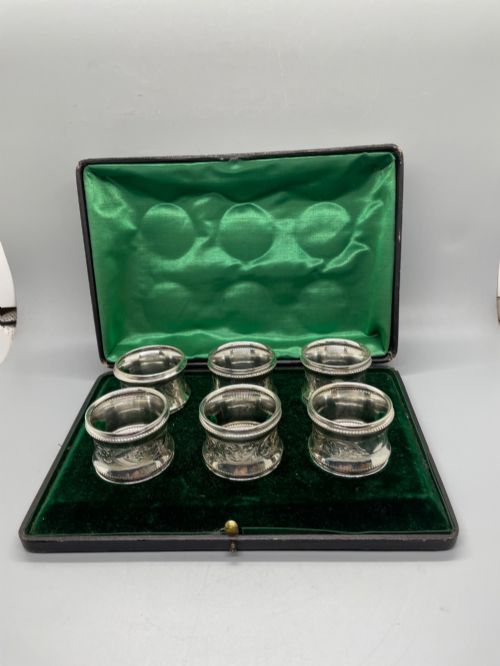
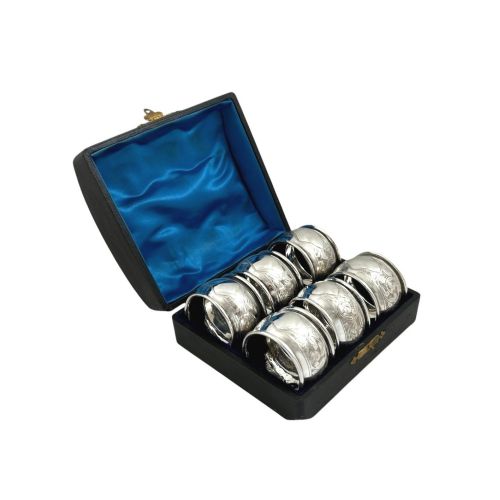
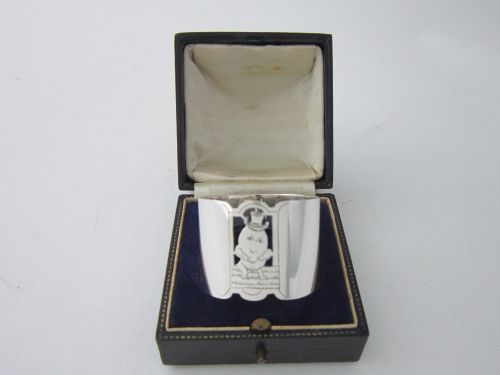
Specialist workshops applied colourful guilloche enamel over engine-turned silver grounds or added gold washes known as silver gilt to interior surfaces. Fitted boxes lined with silk and velvet protected these items during storage and transport.
Sterling Napkin Bands Retail Price Guide 2026
Typical asking prices for sterling napkin bands among the pieces listed under this phrase on Sellingantiques today, from the lower quarter to the upper quarter. They describe what is for sale here now, not the wider market.
Current listings feature items spanning the Victorian, Edwardian, George V, and Art Deco periods, utilising sterling silver, enamel, and leatherette cases.
Distinctions in Quality
Quality rests upon the weight of the silver and the crispness of the maker marks stamped into the metal. Substantial gauge metal resists distortion from daily use and maintains clean geometric or floral relief.
The presence of undamaged guilloche enamel or intact original presentation cases elevates certain specimens above standard domestic tableware. Maker attribution to notable retailers or specialist silversmiths also distinguishes particular items.
Martin Hall & Co·Liberty & Co·Cartier·David Andersen
The Sterling Napkin Bands Glossary
- Sterling Silver
- A standard alloy consisting of ninety-two point five percent silver and seven point five percent other metals, usually copper. This composition provides the necessary durability for functional tableware.
- Guilloche Enamel
- Decorative technique where translucent enamel is layered over mechanically engraved metal. It produces a repeating geometric pattern visible beneath the coloured glass surface.
- Silver Gilt
- Solid silver object coated with a thin layer of gold on its surface. This finish protects the underlying silver from tarnish and adds a warm interior tone.
- Assay Office
- Official body responsible for testing the purity of precious metal items and stamping them with hallmark symbols. London, Sheffield, and other cities operated distinct testing locations.
Sterling Napkin Bands: Frequently Asked Questions
What are sterling napkin bands used for?
These silver bands wrap around cloth table linen to distinguish individual napkins between family meals or formal dinner parties. They prevent mix-ups at the dining table.
Historically, households relied on these markers to keep personal linen organised over several days before washing. Today they serve both functional dining purposes and decorative display.
How do I identify Victorian examples?
Victorian pieces typically display heavier ornamentation, including embossed floral motifs, belted designs, or scrollwork engraved across the silver band. Hallmarks often feature royal profile stamps.
Examining the assay office marks and date letters stamped inside the ring provides the exact year of manufacture. Victorian styling leans towards ornate historical revival motifs.
Are cased pairs common?
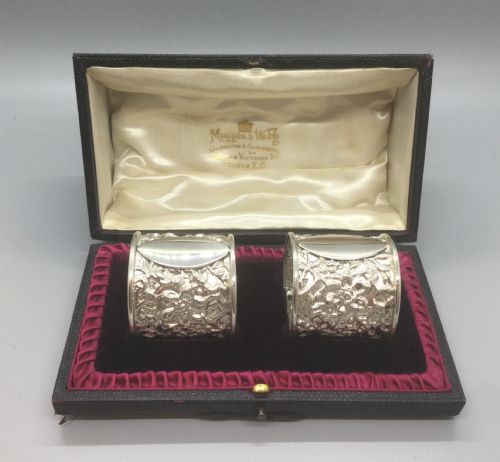
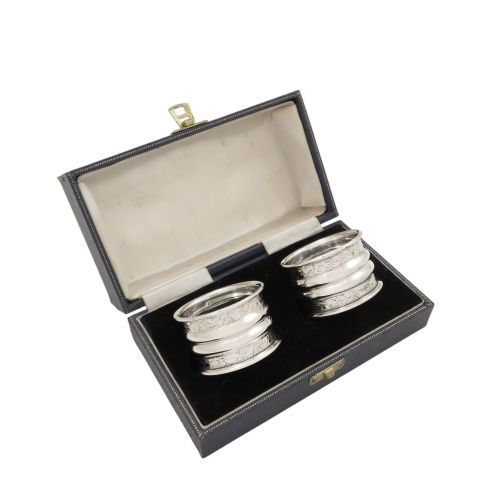
Many silver bands survive inside their original fitted presentation cases lined with silk and velvet. These boxes protect the silver from environmental tarnish.
Original cases bearing retailer details add significant historical context to the set. They indicate the items were intended as gifts for weddings or special occasions.
How do I care for silver napkin rings?
Regular handling helps prevent heavy tarnish buildup, while gentle cleaning with a specialist silver cloth maintains the polished finish. Avoid harsh abrasive dips.
Storing pieces away from damp environments preserves both the sterling metal and any original silk-lined presentation boxes. Enamel surfaces require extra care to prevent scratching.