

Stemware Goblet Glass
A stemware goblet glass brings tactile weight and historic clarity to the table, offering a tangible link to centuries of drinking traditions.
Stemware Goblet Glass
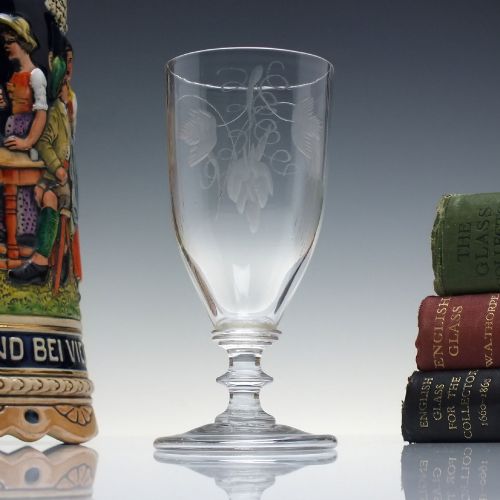
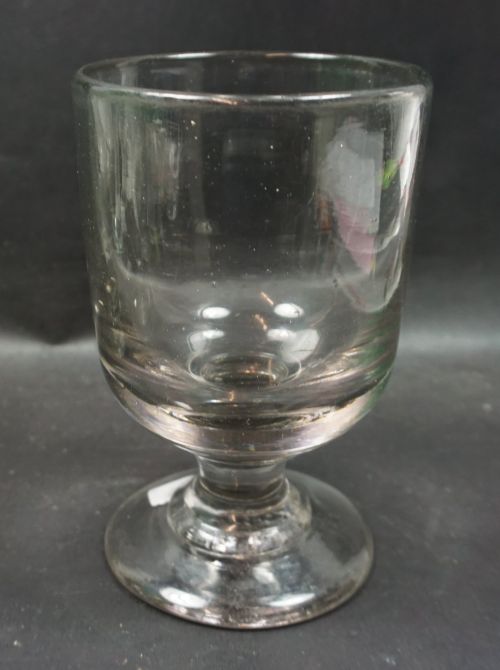
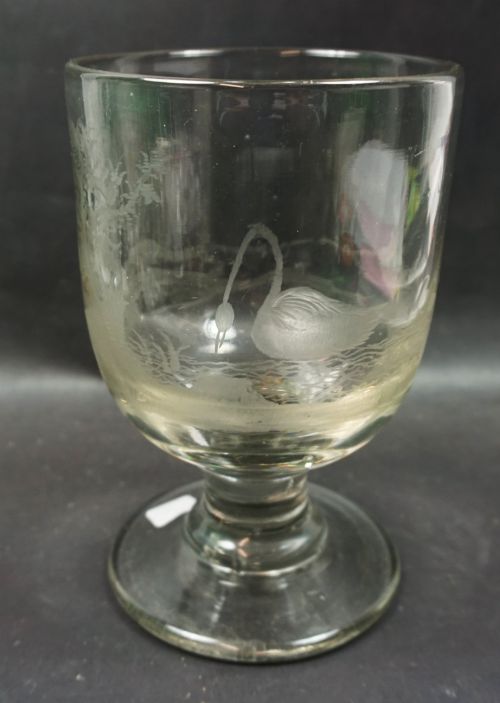
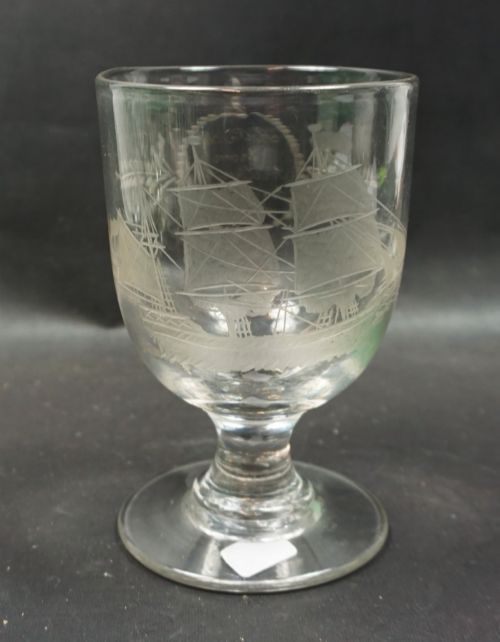
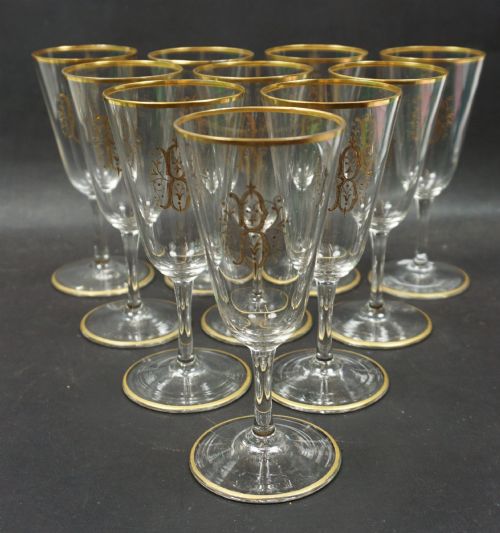
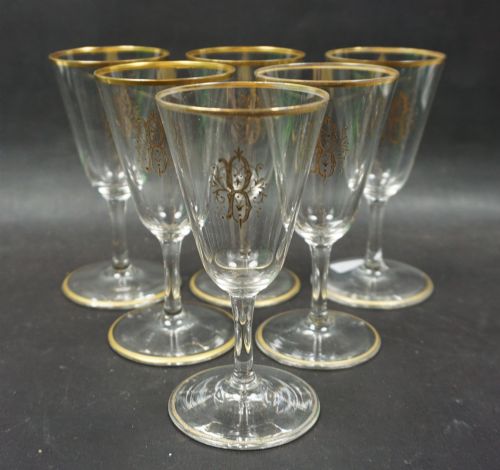
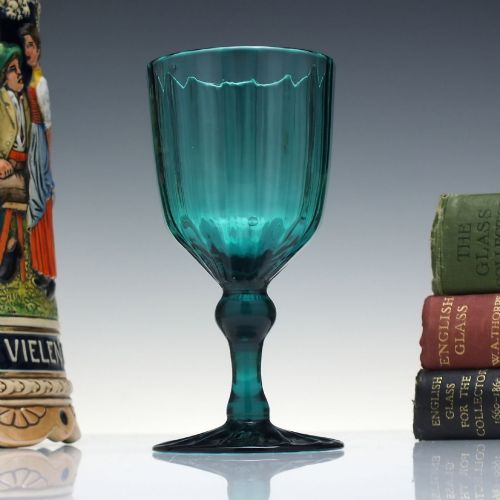
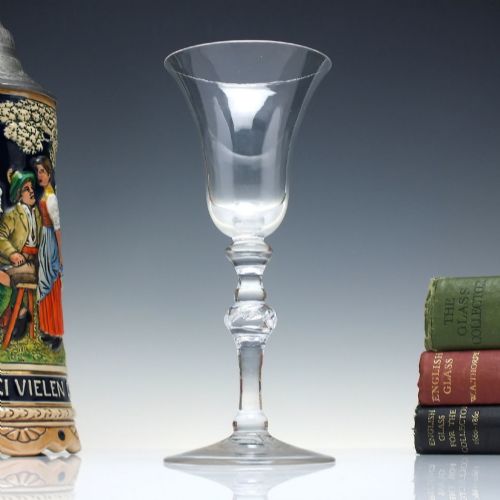
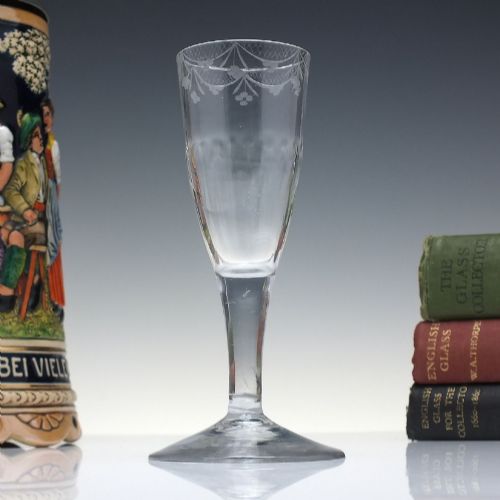
When searching for a stemware goblet glass, a buyer encounters a diverse range of historical forms extending from Georgian baluster wine glasses and ale glasses to Victorian cut crystal rummers and Edwardian goblets.
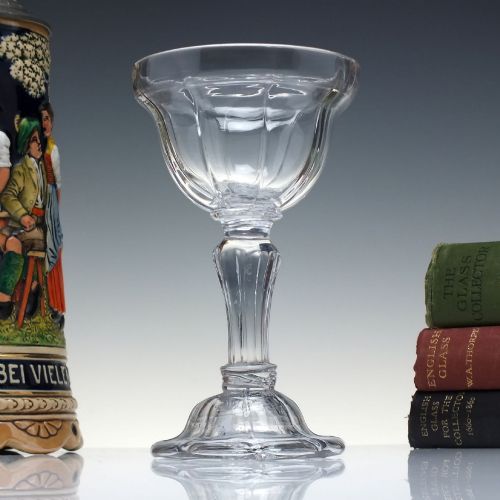
The selection on this page leans heavily toward Georgian and Victorian examples, featuring distinct vessel types such as sweetmeat glasses, cordials, and large drinking rummers alongside Continental productions.
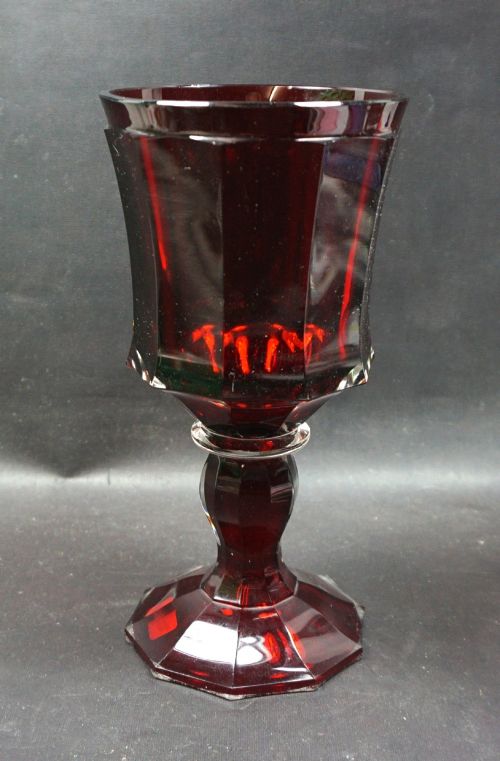
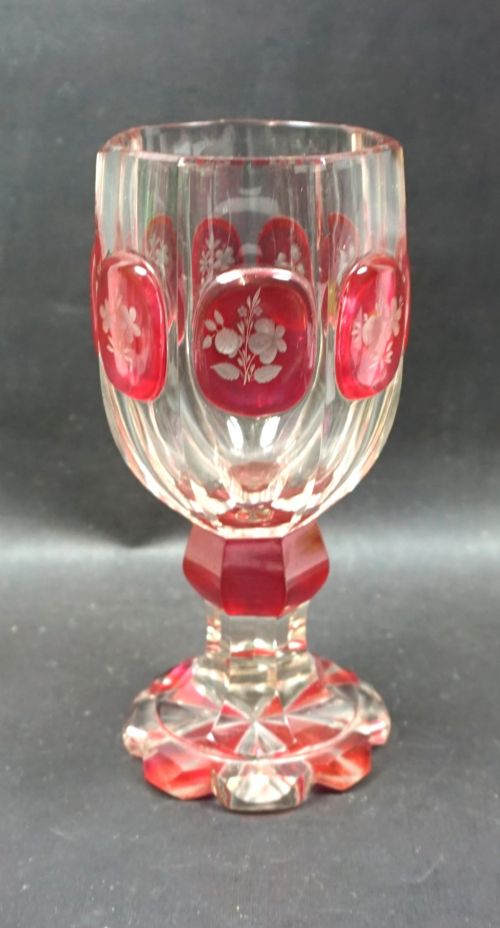
Pieces span multiple eras including the eighteenth, nineteenth, and early twentieth centuries, encompassing British, Bohemian, French, and other European origins in clear, coloured, and decorated glass.
Materials and Technique
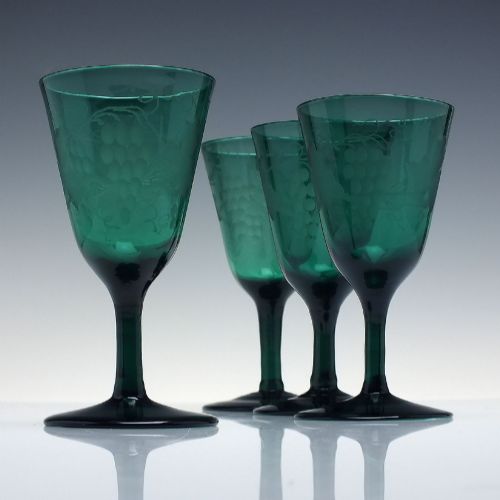
Makers utilised lead glass, crystal, and clear or coloured glass, shaping vessels through blowing, rib moulding, and wheel engraving.
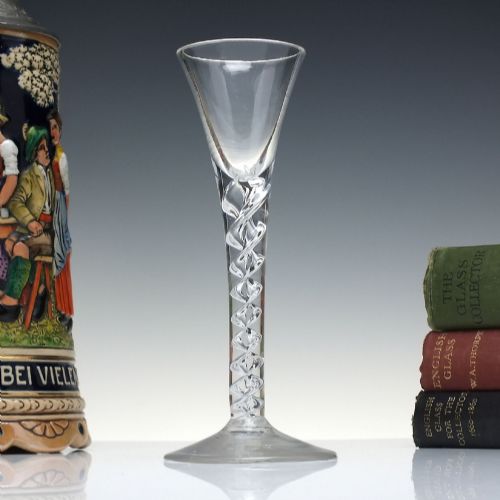
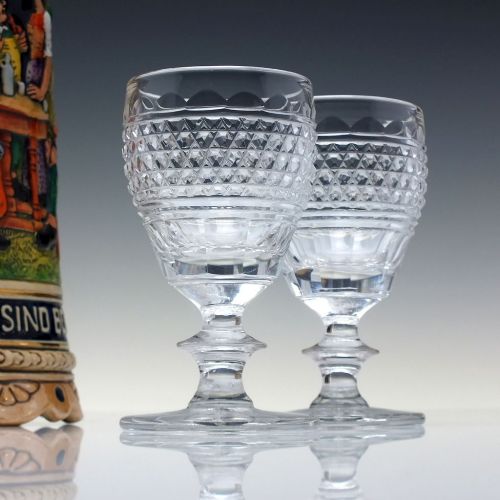
Intricate stems incorporate air twists, opaque twists, and baluster formations, whilst surface decoration often involves brilliant cutting, acid gilding, enamel work, and flash overlays.
Stemware Goblet Glass Retail Price Guide 2026
Typical asking prices for stemware goblet glass among the pieces listed under this phrase on Sellingantiques today, from the lower quarter to the upper quarter. They describe what is for sale here now, not the wider market.
Listings feature lead glass and crystal vessels spanning the Georgian, Victorian, and Art Deco periods, alongside enamelled Bohemian and French examples.
Execution and Balance
Superior examples display crispness in wheel-engraved motifs and clean definition in facet cutting, whereas lesser pieces show softer edges and heavier, less balanced proportions.
The integrity of the metal, freedom from excessive bubbles, and the refinement of internal optical effects such as air twists dictate the distinction between standard utilitarian vessels and masterworks.
Baccarat·Theresienthal·Christofle
The Stemware Goblet Glass Glossary
- Rummer
- A large, heavy drinking glass popular in the eighteenth and nineteenth centuries, typically featuring a short stem and a capacious bowl. These vessels were designed for ale, wine, or punch.
- Air twist
- An internal decorative feature within the stem of a glass, formed by drawing out elongated air bubbles during manufacturing. This technique creates delicate threads or spirals running through the glass.
- Opaque twist
- A stem formation created by enclosing white or coloured enamel glass rods within clear glass, then twisting the molten mass. It is a hallmark of mid-eighteenth-century English drinking vessels.
- Sweetmeat glass
- A specialised stemmed vessel with a shallow, flared bowl used for serving confectioneries, nuts, or small sweet dishes. They frequently exhibit elaborate moulding or folded feet.
- Baluster stem
- A thick, swelling stem shape resembling architectural pillars, common in early eighteenth-century English wine glasses. These stems provide substantial physical weight and grip.
Stemware Goblet Glass: Frequently Asked Questions
What is a stemware goblet glass used for?
These vessels served various functions historically, ranging from formal wine and ale consumption to holding sweetmeats and punch.
Today, collectors utilise them for display, special dining occasions, or as tangible examples of historical glassmaking craftsmanship.
How do I date an old glass?
Dating relies on observing form, manufacturing marks, tool traces, and the composition of the metal itself. Pontil marks on the base, stem structure, and engraving styles provide crucial chronological clues.
Comparing pieces against established typologies for Georgian, Victorian, and later periods helps narrow down the decade of manufacture.
Are coloured glasses later additions?
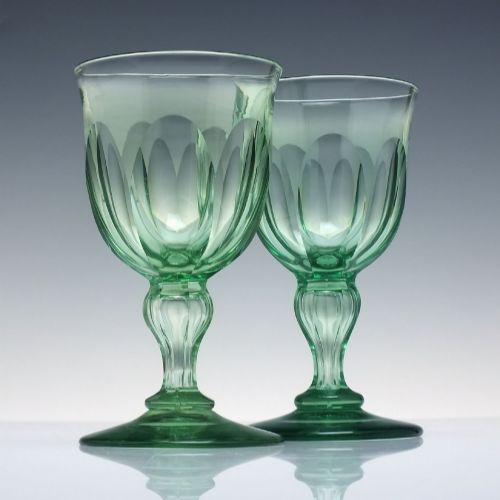
Coloured glassware was produced extensively across the eighteenth and nineteenth centuries, particularly in Bohemia and England. Shades such as cranberry, green, and turquoise are entirely period-correct.
Techniques involving flash overlays, where a thin layer of colour covers clear glass before being cut away, became especially popular during the Victorian era.