

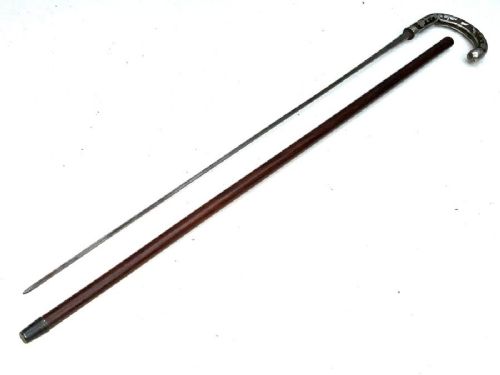
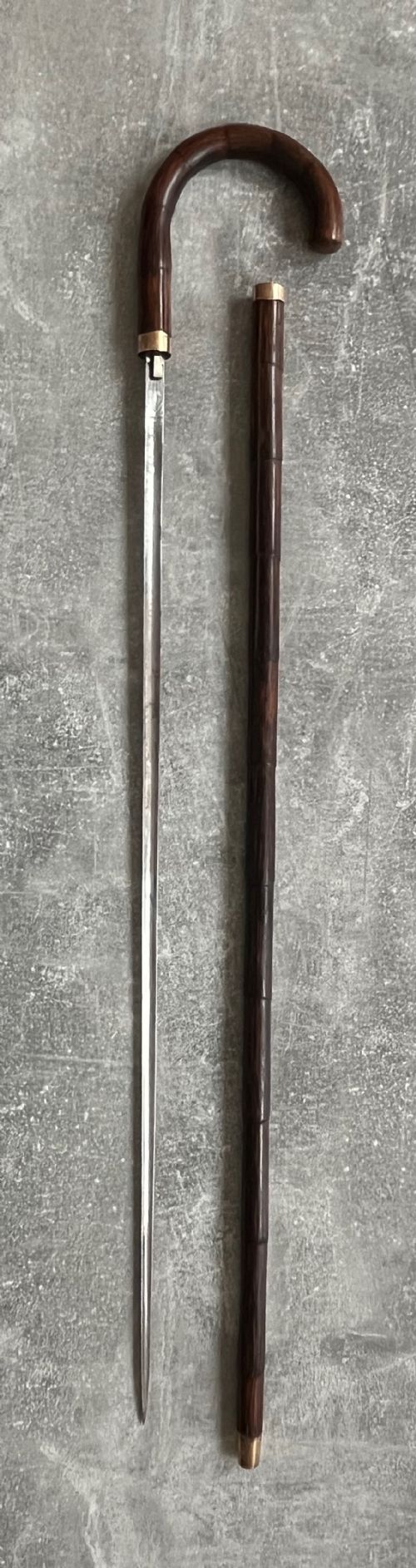
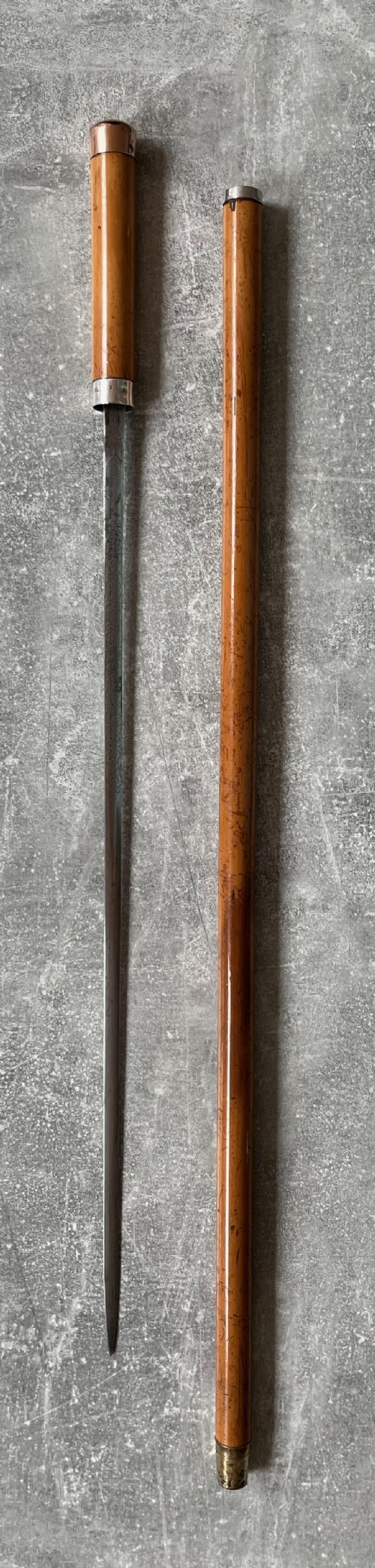
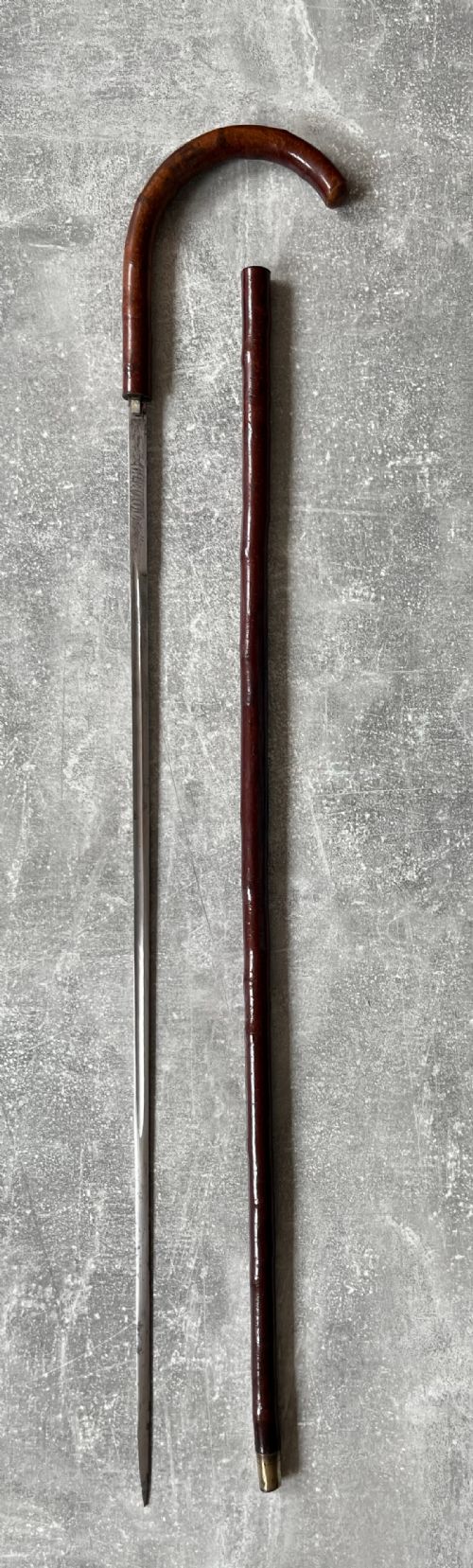

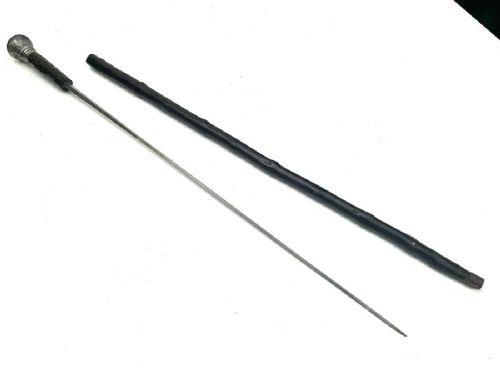


Steel Sword Cane
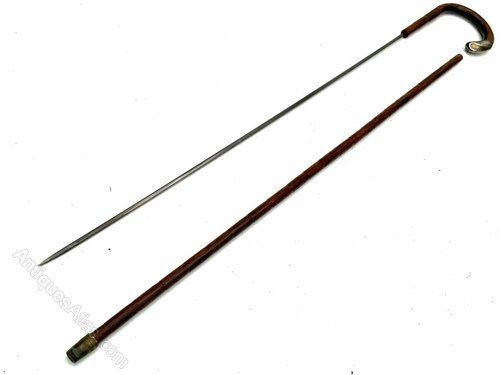
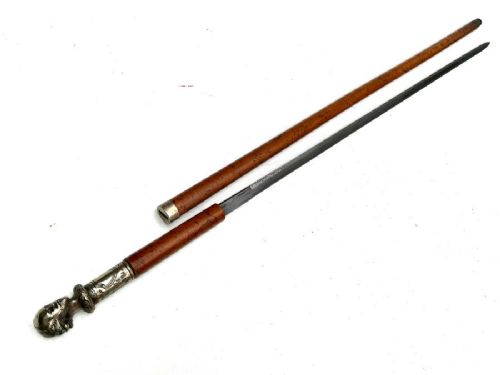
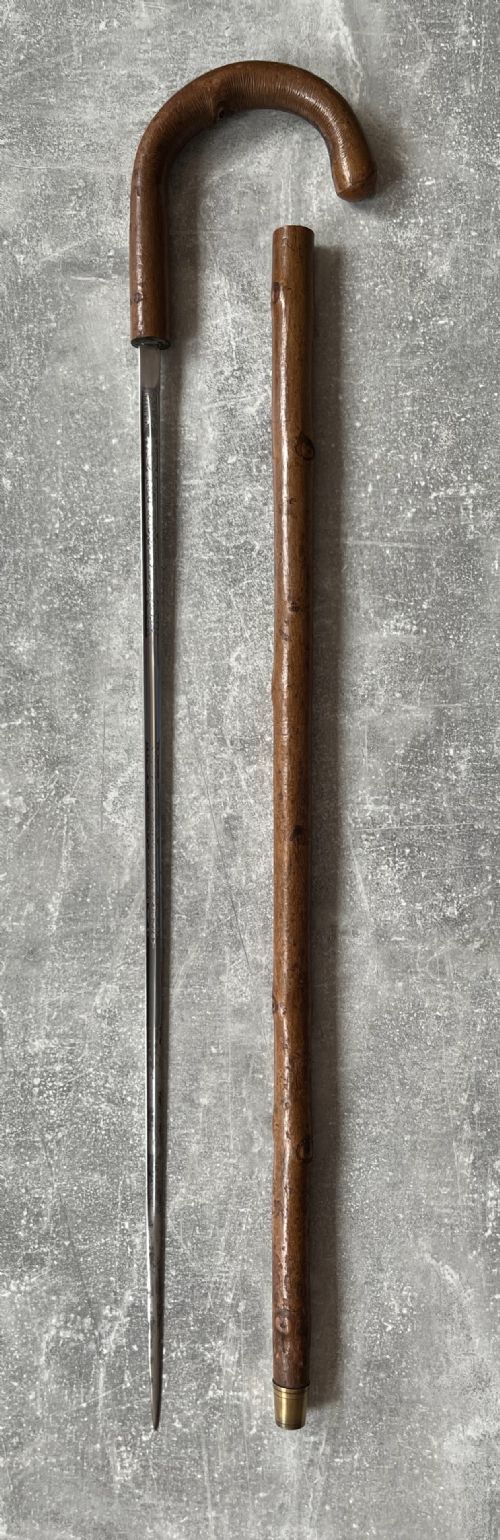
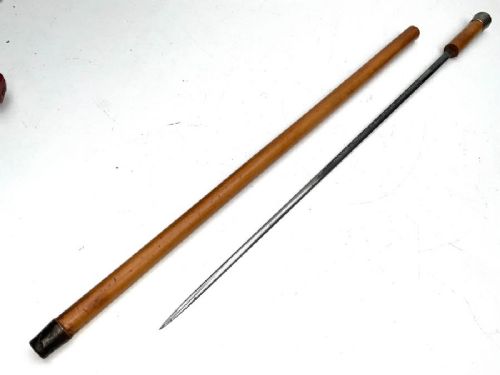
A steel sword cane combines the appearance of an ordinary gentleman's walking stick with a concealed blade.
Steel Sword Cane
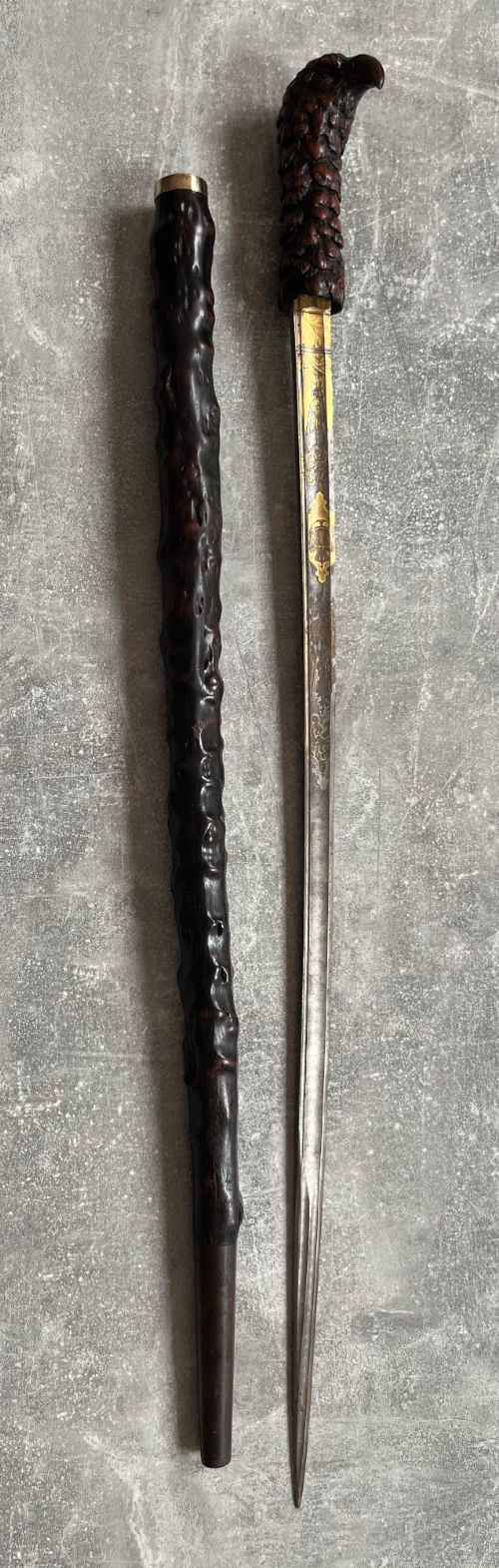
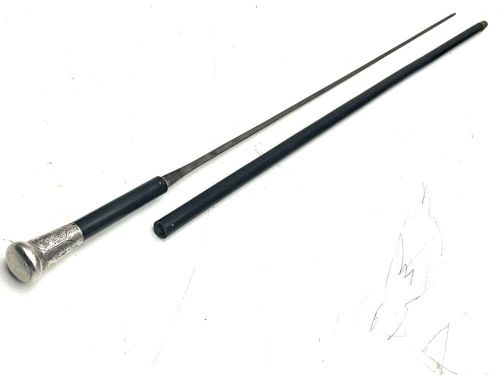
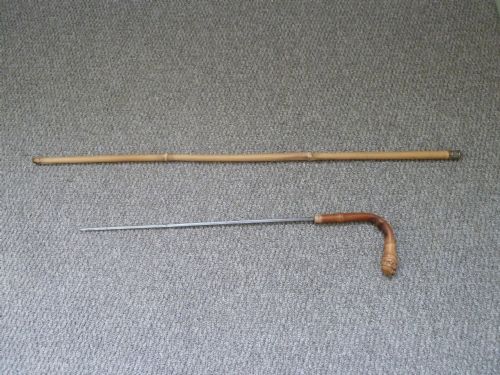
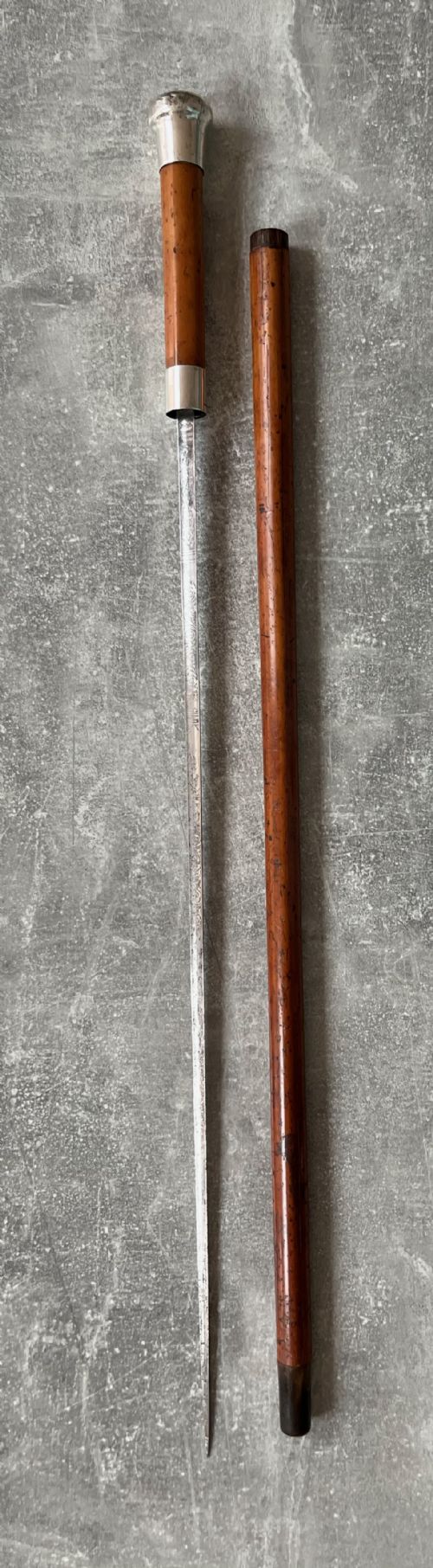
A steel sword cane is a walking stick fitted with a hidden blade, taking forms from the Victorian, Edwardian, and 19th-century periods. These pieces include handles made from horn, bone, wood, and metal, paired with shafts of malacca, bamboo, partridge wood, and cherrywood.
The version most commonly met on this page is the gentleman's walking stick featuring a concealed steel blade, often bearing maker marks on the metalwork or blade. Origins span British makers, Imperial German military styles, and 19th-century French workshops.
Materials and construction
Shafts rely on natural timbers and canes such as malacca, partridge wood, hazel, cherrywood, holly wood, blackthorn, and bamboo, sometimes covered in leather. Handles incorporate horn, bone, hardwood, and root ends, while collars and mounts utilise silver, brass, and gold-coloured metals.
Blades forged from steel include specific makers and origins like Wilkinson and Toledo. Construction requires precise fitting between the wooden shaft housing and the internal steel blade to ensure secure concealment during daily use.
Steel Sword Cane Retail Price Guide 2026
Typical asking prices for steel sword cane among the pieces listed under this phrase on Sellingantiques today, from the lower quarter to the upper quarter. They describe what is for sale here now, not the wider market.
Listings feature pieces spanning the Victorian and Edwardian eras, alongside 19th-century French and Imperial German examples.
Distinctions in quality
Quality rests on the origin and finish of the steel blade, with recognised names like Wilkinson and Toledo marking the upper range. The choice of shaft material, such as figured malacca or partridge wood, alongside precious metal collars in silver or gold, separates standard items from finer examples.
The engineering of the locking mechanism and the fit between handle and shaft define the integrity of the piece. Superior specimens demonstrate seamless alignment when closed, preserving the outward appearance of a standard walking stick.
Brigg·Wilkinson
The Steel Sword Cane Glossary
- Malacca
- A sturdy rattan cane imported from Southeast Asia, prized for its mottled brown bark and flexibility. It forms the shaft on many traditional walking sticks.
- Partridge wood
- A dense tropical timber displaying a distinctive partridge-feather pattern. Makers select it for its weight and decorative grain in gentleman's canes.
- Knop
- A rounded handle or ornamental knob at the top of a walking stick. These components appear in horn, silver, and wood.
- Collar
- A metal band encircling the top of the shaft just below the handle. Silver and brass collars frequently carry hallmarks or initials.
- Wilkinson
- A notable British sword manufacturer supplying blades for military and civilian sidearms. Their presence on a blade indicates a high standard of steel production.
Steel Sword Cane: Frequently Asked Questions
How do you release the blade?
Most steel sword canes rely on a simple screw mechanism, a catch, or a pull-apart friction fit between the handle and the shaft. The handle acts as the grip for the concealed blade once separated from the wooden body.
Owners twist or pull the handle firmly to slide the steel blade out from its internal wooden channel.
Were these carried for self-defence?
Gentlemen in the Victorian and Edwardian eras carried these sticks during urban walks or rural travels for personal protection and general support. The concealed blade provided a hidden means of defence during a period when street safety varied.
They functioned primarily as walking aids while offering an added sense of security for travellers.
How do I care for the blade?
Keep the interior of the wooden shaft dry and apply a light coat of oil to the steel blade to prevent rust. Ensure the blade is completely clean and dry before sliding it back into the cane.
Avoid exposing the wood and metal components to damp environments or extreme temperature changes.
What materials make up the handles?
Handles on these pieces utilise horn, bone, carved wood, root ends, and pistol-grip formations. Some incorporate silver or gold-coloured metal mounts and collars engraved with initials.
Materials reflect the fashion of the period and the status intended by the original owner.