





Steel Percussion Firearm
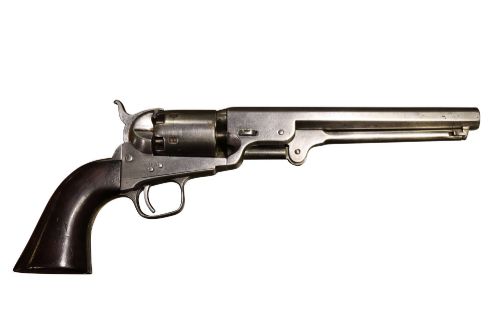
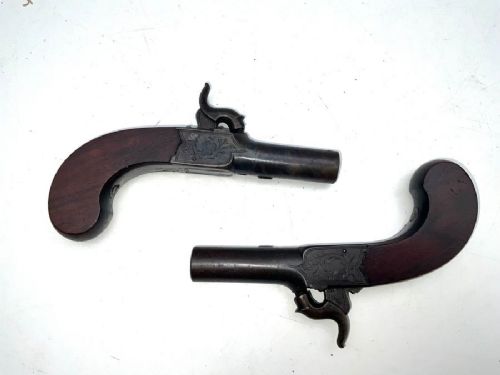
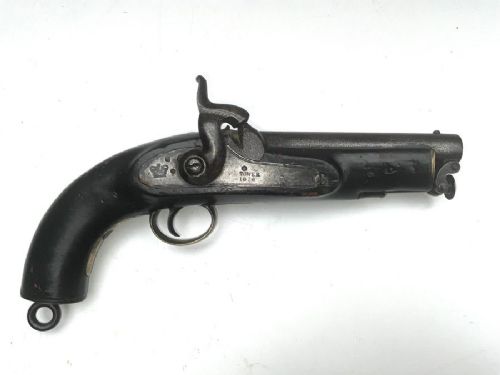
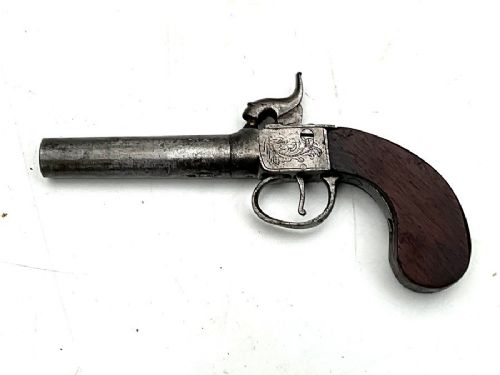
A steel percussion firearm brings the mechanical ingenuity of the nineteenth century into your hands with its polished metal and dark walnut stocks.
Steel Percussion Firearm
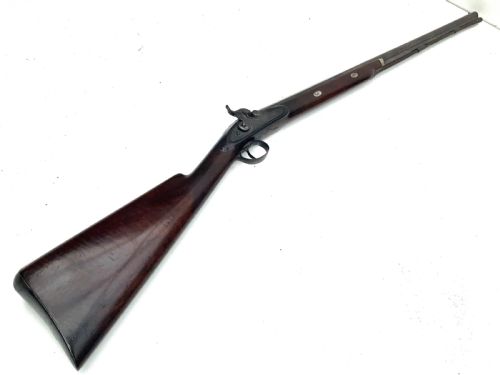
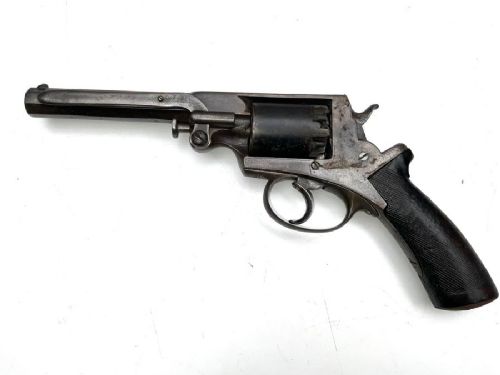
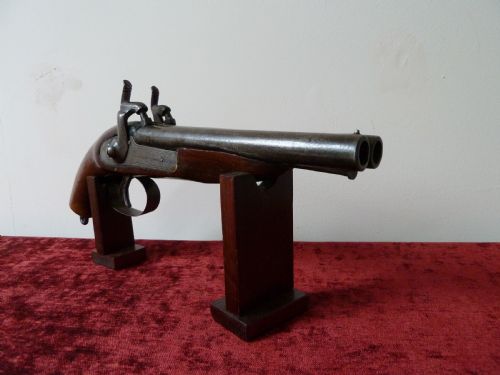
A steel percussion firearm represents the primary defensive, military and sporting armory of the nineteenth century, encompassing pocket pistols, heavy revolvers, belt pistols and long-barrelled fowlers. These pieces emerge from periods spanning the Regency era, the Victorian epoch and the American Civil War years.
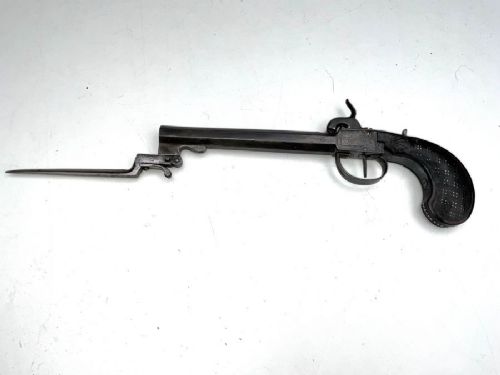
The buyer encounters single-shot pocket arms alongside complex revolving mechanisms, pepperbox pistols with multiple barrels, and longarms fitted with bayonets or sliding rear sights. Origins stretch from English provincial workshops and London makers to Belgian and American manufactories.
Military issues stamped by government ordnance sit alongside civilian target pistols housed in fitted cases with velvet linings. Each form tells a specific story of personal protection, military service or sporting pursuit from the 1800s onward.
Materials and Construction
Makers fashioned these arms primarily from forged steel and iron, pairing durable metal barrels and actions with stocks carved from dense walnut and mahogany. Brass mounts appear on select military and civilian patterns, while silver accents occasionally decorate high-status target arms.
Perfection in construction relied on precise machining of lock mechanisms, nipples and hammers designed to detonate percussion caps reliably under black powder ignition. Stocks were hand-fitted to metal tangs and secured with pins, screws or sideplates.
Flick bayonets spring forward from beneath the barrel with a sudden mechanical snap, ready for close encounters in narrow corridors.
Craftsmanship and Distinction
The survival of original matching serial numbers, contemporary fitted wooden cases with complete accessories, and the sharpness of barrel stampings distinguish the finest examples in this category from heavily worn working arms.
John Manton & Son·J.R. Cooper·Joseph Egg·Auguste Francotte·George Sherwood
The Steel Percussion Firearm Glossary
- Percussion cap
- A small copper or metal cup containing fulminate of mercury placed on the nipple to fire the charge when struck by the hammer. This innovation replaced earlier flintlock mechanisms.
- Boxlock
- A firearm design where the breech and the frame are forged as a single unit, keeping the mechanism compact. This configuration frequently appears on pocket pistols.
- Pepperbox
- A multi-barrelled firearm with a revolving cluster of barrels that rotate around a central axis when cocked. Each chamber aligns with the hammer in turn.
- Smoothbore
- A barrel lacking interior rifling grooves, designed to fire lead shot or round balls over shorter distances. These appear on both sporting fowlers and military service pistols.
- Match-number
- An arm where all principal components bear the same factory-stamped serial digits, confirming original assembly. This trait holds high significance for revolvers from makers such as Colt.
Steel Percussion Firearm: Frequently Asked Questions
How do these percussion firearms work?
A percussion firearm operates when the shooter places a small primed cap onto a hollow metal nipple situated behind the powder charge. Pulling the trigger releases a spring-driven hammer that strikes the cap, sending flame through the nipple to ignite the black powder inside.
This system superseded the flintlock by offering greater reliability in wet weather and faster reloading times. Revolvers and pepperboxes automatically advance the next loaded chamber as the hammer is cocked for subsequent shots.
What is the difference between a pocket pistol and a belt pistol?
Pocket pistols are smaller, shorter arms designed for discreet personal concealment in coats or waistcoats during the nineteenth century. They usually feature short barrels and sometimes fold-away triggers to prevent snagging on clothing.
Belt pistols are larger, heavier service arms meant to be carried openly in holsters or tucked into a belt by officers, travellers or cavalrymen. They often incorporate fixed belt hooks or longer barrels for improved range and stopping power.
How should I display or store a steel percussion firearm?
Store these pieces in a dry, climate-controlled environment away from direct sunlight and excessive humidity to prevent oxidation on the steel surfaces and wood shrinkage. Light coats of appropriate museum-grade preservative oil help protect the metal.
Display them either securely mounted on walls using non-corrosive brackets or laid flat within velvet-lined display cases. Maintaining stable ambient temperatures prevents long-term degradation of both the timber stocks and iron components.
Can these antique firearms still be fired?
Most collectors treat these historical arms as non-firing display and study pieces due to their age, material fatigue, and the inherent risks associated with nineteenth-century metallurgy. Firing them requires professional gunsmith inspection and specialised low-pressure black powder loads.
Attempting to shoot an antique firearm without expert verification can cause catastrophic structural failure. Preservation and historical appreciation remain the primary focus for owners of nineteenth-century military and civilian arms.