






Steamed Wood Chair
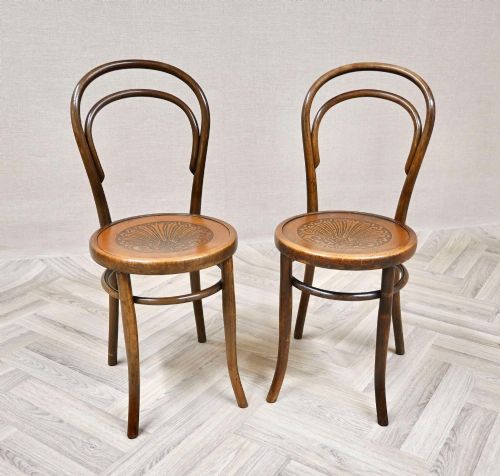
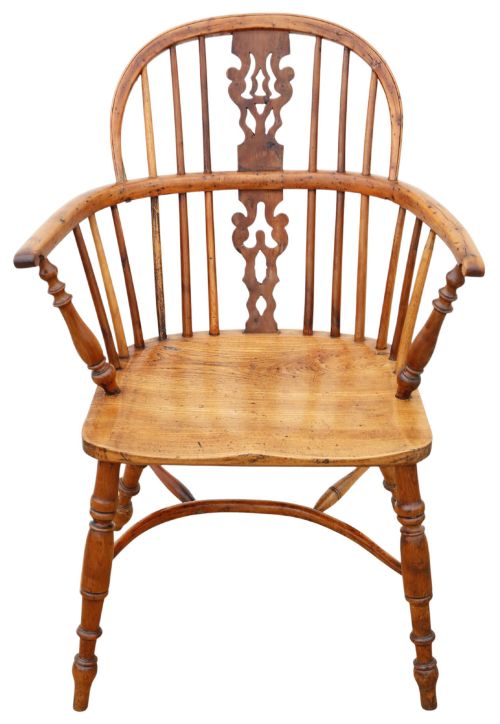
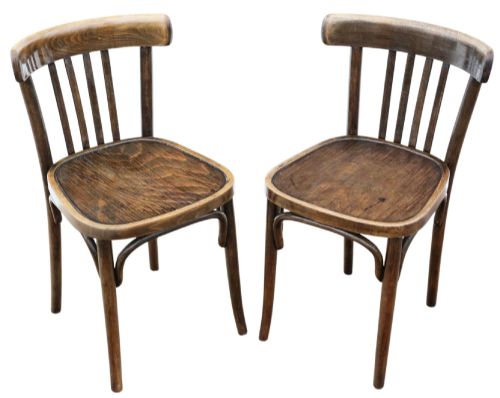
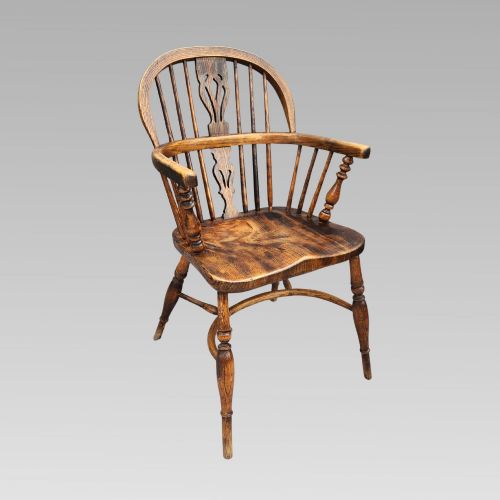
A steamed wood chair brings together traditional country Windsor forms and ingenious bentwood designs made from beech, ash, and elm.
Steamed Wood Chair
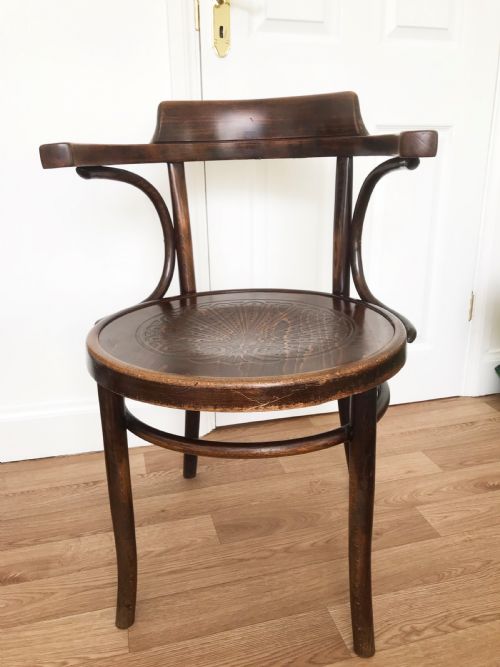
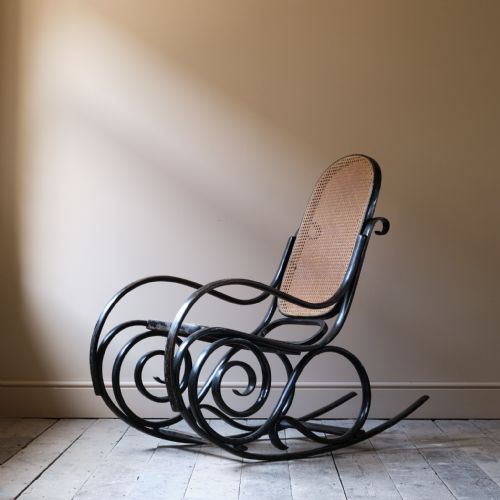
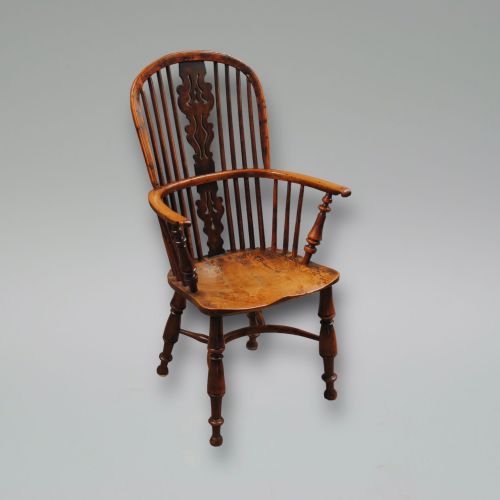
When you search for a steamed wood chair, you encounter a diverse range of seating encompassing traditional English Windsor forms alongside continental bentwood designs. The selection spans the nineteenth century through the mid-twentieth century, capturing both vernacular country craftsmanship and industrial steam-bending innovation. Windsor armchairs with wheel-backs or spindle-backs sit alongside Vienna Secession rockers and bistro dining chairs.
You are most likely to meet nineteenth-century ash, elm, and yew Windsor armchairs alongside early twentieth-century beech bentwood seating produced by major makers. These pieces range from substantial carvers designed for country houses to lightweight tub armchairs and rocking chairs intended for domestic parlours. The overlapping traditions show how timber was manipulated using heat and moisture across different European workshops.
How they were made
Makers utilised steam and moisture to soften timber, allowing straight grained woods like beech and ash to be curved into continuous loops and structural arcs. Bentwood construction relies on metal straps applied to the outside of the wood during bending to prevent splitting while the fibres stretch. This technique enabled manufacturers to produce rounded frames, chair backs, and structural stretchers with remarkable resilience.
Traditional Windsor forms combined solid wood seats sculpted from elm with turned spindle legs of ash or beech and steam-bent yew or ash bow arms. Components were joined using traditional methods such as wedged tenons and mortise and tenon joints, creating sturdy frameworks without excessive metal fixings. Plywood and cane were later incorporated into seats and backrests to offer lightweight alternatives to solid timber.
Steamed Wood Chair Retail Price Guide 2026
Typical asking prices for steamed wood chair among the pieces listed under this phrase on Sellingantiques today, from the lower quarter to the upper quarter. They describe what is for sale here now, not the wider market.
Listings feature items spanning the Victorian era through the mid-twentieth century, utilising beech, ash, elm, yew, and bentwood.
What varies in quality
The sophistication of the design also separates standard utility seating from finer workshop production. Pieces attributed to prominent bentwood makers or displaying specific model numbers exhibit tighter tolerances and more refined proportions than unbranded commercial equivalents. The integration of cane work and the retention of original labels or stamps further distinguish exceptional examples.
Jacob and Josef Kohn·Thonet
The Steamed Wood Chair Glossary
- Bentwood
- Wood that has been shaped by exposure to steam and moisture before being clamped into curved forms. This process allows linear timber to take on flowing, continuous contours.
- Windsor
- A traditional chair construction featuring a solid wooden seat into which the legs and back spindles are directly fitted. These chairs often incorporate a steam-bent bow forming the backrest and arms.
- Carver
- An armchair designed to sit at the head of a dining table or serve as a standalone desk chair. They typically feature lower, more open arms than standard armchairs.
- Cane
- Woven rattan material utilised for chair seats and back inserts. It provides a flexible, breathable surface that lightens the overall visual weight of the seating.
- Spindle
- A slender, turned wooden rod used vertically to form the backrest of a chair. Spindles distribute weight evenly and provide ergonomic support.
Steamed Wood Chair: Frequently Asked Questions
What is a bentwood chair?
A bentwood chair is constructed using solid timber softened by steam and bent into curved structural components. This technique creates lightweight yet durable frames without traditional heavy joinery.
Manufacturers utilised beech and other pliable woods to produce fluid forms for dining chairs, armchairs, and rocking chairs. The method revolutionised mass production in the nineteenth and twentieth centuries.
How do I identify a Windsor chair?
A Windsor chair is defined by its thick, sculpted wooden seat into which the legs and back components are tenoned directly. They usually feature turned spindle backs and steam-bent arm bows.
Regional variations in Britain often utilised local timbers such as elm for the seat and yew or ash for the bent elements. These chairs originated in rural workshops before becoming staples of country houses.
Were these chairs used outdoors?
Most of these chairs were designed for indoor domestic use in dining rooms, studies, and parlours. Their timber construction makes them vulnerable to dampness and extreme temperature shifts.
Placing antique wooden seating outside risks warping the timber, splitting the steam-bent sections, and degrading traditional glued joints. They are best kept within stable indoor environments.
How do I date a bentwood chair?
Dating relies on stylistic markers, construction methods, and manufacturer stamps or paper labels found beneath the seat. Early pieces often feature hand-applied stamps and simpler joining plates.
Later twentieth-century production incorporated plywood components and standardised hardware. Comparing the design to known catalogue models helps narrow down the period of manufacture.