





Staved Wood Bucket
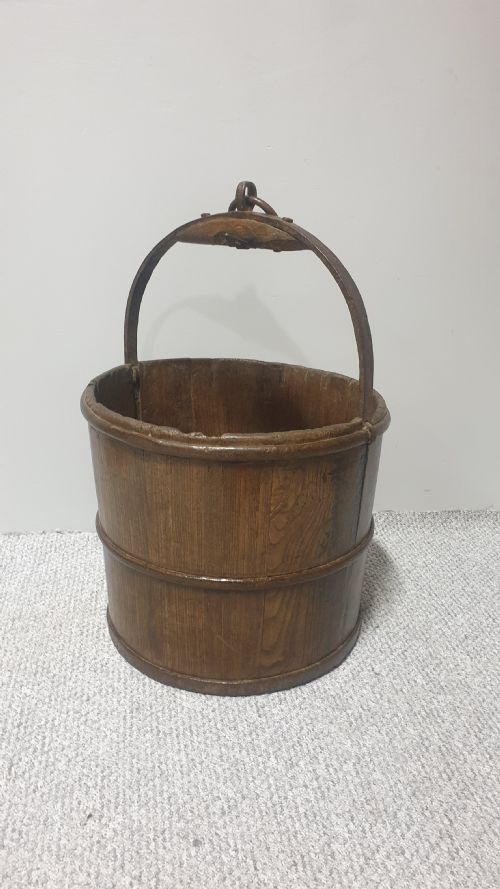
A staved wood bucket brings warmth and utility to a room, constructed from individual vertical wooden staves held tightly together by metal bands.
Staved Wood Bucket
A staved wood bucket is a cylindrical or slightly tapered vessel formed of narrow timber staves bound together by metal hoops, historically utilised for carrying or holding domestic materials. When you search for staved wood bucket, you encounter items designed for fireside storage, peat holding, garden use, and general storage. The examples on this page span the Georgian period, the nineteenth century, and around nineteen hundred, reflecting robust utilitarian design transformed into domestic furniture.
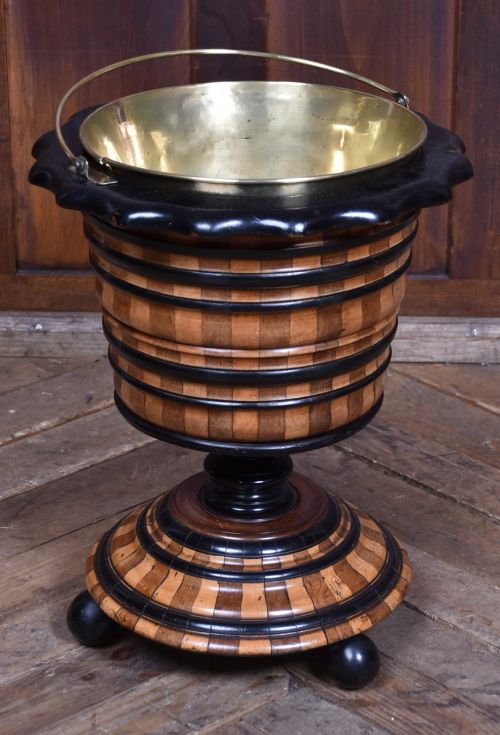
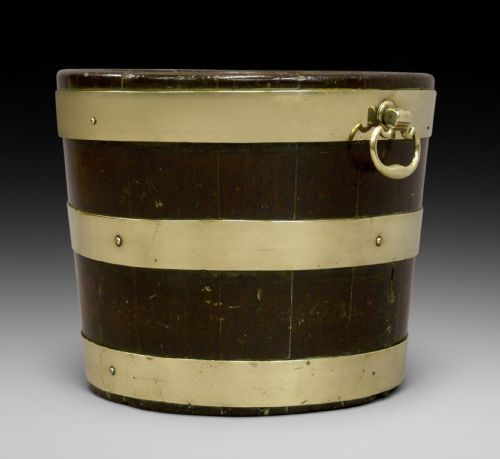
The forms vary widely in scale and purpose, ranging from large pine storage barrels and oak log bins to smaller treen containers and boat-shaped jardinieres. You meet traditional forms like the George III mahogany peat bucket alongside rustic Scandinavian pine storage vessels and Dutch teestoofs complete with brass liners. These pieces served practical roles beside the hearth or in the garden before finding a place in modern interiors as decorative storage.
Geographic influences are visible in the styles, encompassing English Georgian craftsmanship, nineteenth-century Dutch pieces, Edwardian Scottish items, and Scandinavian country makes. Oak, mahogany, pine, and mixed hardwoods provide the primary structure, whilst brass and iron supply the structural bands and carrying handles. Each piece demonstrates the cooper's skill in shaping wood to contain dry goods, fuel, or plants without leaking or buckling.
Judging quality
Quality rests upon the precision of the cooper's jointing between the staves and the harmony of the timber selection. A superior vessel exhibits tight, uniform seams without excessive filler and maintains true circular geometry from top to base. The weight and gauge of the brass or iron bands also indicate standard, with heavier, hand-forged or cast metalwork marking a finer production.
The choice of primary wood elevates a piece, with figured mahogany and well-quartered oak sitting above plain utility pine. Original liners, whether in brass or treated metal, preserve the internal timber from decay and add integrity to the surviving object. Proportion and restraint in decorative mounts separate standard utilitarian items from finer examples made for formal reception rooms.
Staved Wood Bucket Retail Price Guide 2026
Typical asking prices for staved wood bucket among the pieces listed under this phrase on Sellingantiques today, from the lower quarter to the upper quarter. They describe what is for sale here now, not the wider market.
One unusual survivor on this page includes a treen container likely built for the specific task of collecting leftover wine dregs at the dining table.
The Staved Wood Bucket Glossary
- Stave
- A narrow vertical strip of wood with bevelled edges used together to form the sides of a barrel, tub, or bucket. Coopers shape each stave precisely so that the edges meet tightly all the way down the seam.
- Coopered
- Made by a cooper using staves and hoops rather than carved from a single block or joined with standard cabinet construction. This traditional method allows wood to expand and contract without splitting.
- Peat bucket
- A deep lidded or open container specifically intended for holding turf or peat briquettes beside a fireplace. They often feature brass swing handles and protective metal liners.
- Treen
- Small handmade wooden domestic objects and utensils created by turners and woodworkers. These items include containers, bowls, and boxes fashioned on a lathe or by hand.
- Teestoof
- A Dutch warming vessel, often combining wood staves with a metal liner to hold hot coals or peat for keeping tea pots warm. They represent a specialised form of domestic heating equipment.
- Jardiniere
- An ornamental pot or stand for holding plants and flowers indoors. In staved construction, these vessels utilise metal liners to protect the timber from damp soil.
Staved Wood Bucket: Frequently Asked Questions
What were staved wood buckets used for?
These vessels served heavy domestic and agricultural duties, ranging from carrying water and storing dry goods to holding coal and peat by the hearth. Larger barrels stored provisions, whilst smaller containers managed fireplace ash or served as planters.
Over time, many of these utilitarian objects transitioned into refined domestic items placed in reception rooms to hold logs, wine dregs, or decorative plants.
How do I care for antique staved wood?
Keep wooden staves away from direct heat sources and sudden humidity changes to prevent the timber from shrinking and the metal bands from loosening. Dust regularly with a dry cloth and occasionally apply a neutral wax to nourish the exposed wood grain.
Avoid using water directly on unlined wooden interiors, and ensure any metal liners are dried thoroughly after cleaning to protect the surrounding timber.
How do I distinguish Georgian pieces from later ones?
Georgian examples frequently employ dense Cuban mahogany or quarter-sawn oak with fine patination, hand-dovetailed bases, and substantial brass swing handles. The proportions tend to follow classical architectural lines, reflecting formal parlour use.
Nineteenth-century and later pieces often utilise pine, mixed hardwoods, or iron fittings, leaning towards rustic country styling, utilitarian storage, or specific regional forms like Scandinavian barrels.
Are brass bands original to the bucket?
Original brass or iron bands show consistent wear, patination, and age-appropriate fixing methods that match the wear patterns on the wood staves. They fit flush against the timber with secure pinning or shrinking.
Replacement bands often appear too bright, lack uniform oxidation, or leave modern fastener marks that interrupt the historical continuity of the piece.