






Star Set Diamond Band
A star set diamond band combines flush-mounted stones with durable gold bands, offering secure everyday wear with subtle celestial charm.
Star Set Diamond Band
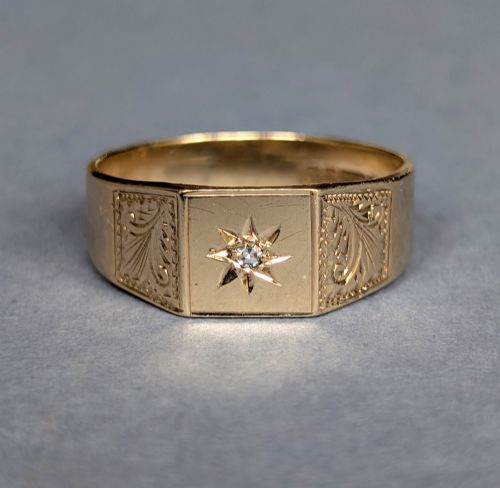
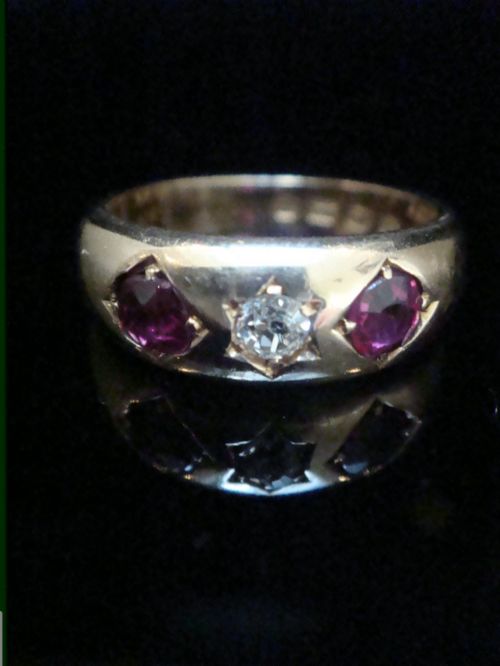
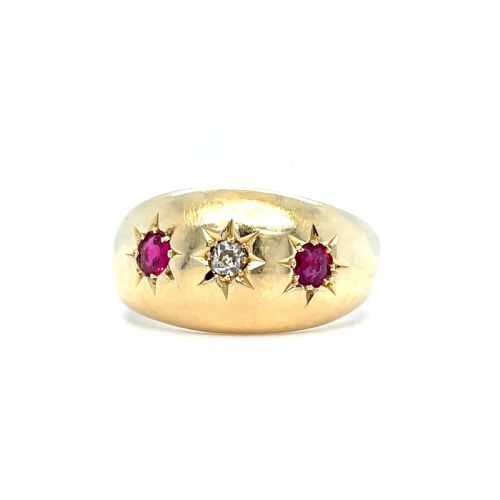
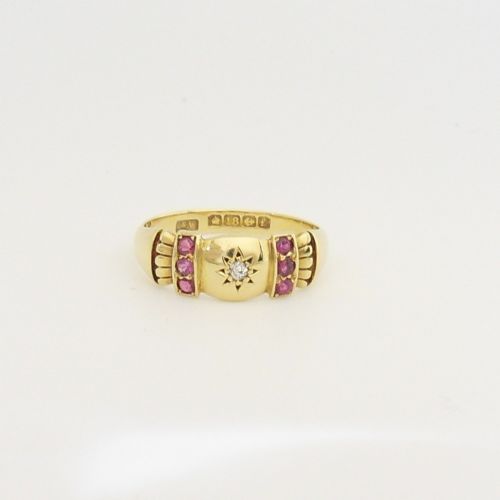
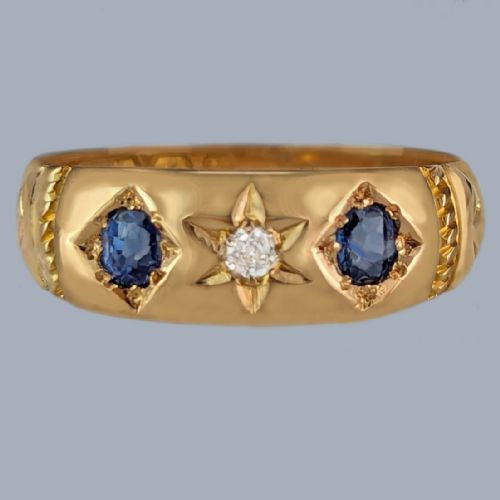
The version you are most likely to meet on this page is a nineteenth-century or early twentieth-century ring, often combining diamonds with rubies, sapphires, or emeralds. These bands range from simple single-stone solitaire gypsy rings to multi-stone trilogy and five-stone arrangements.
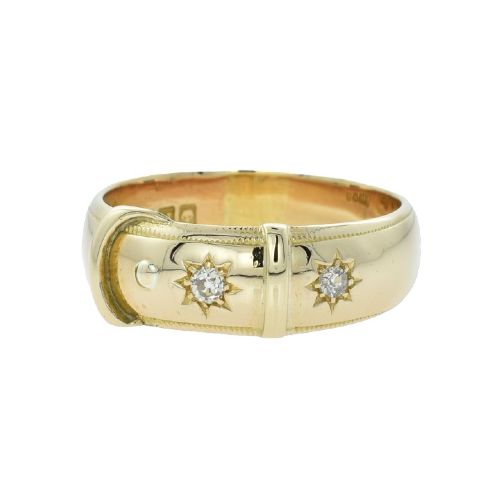
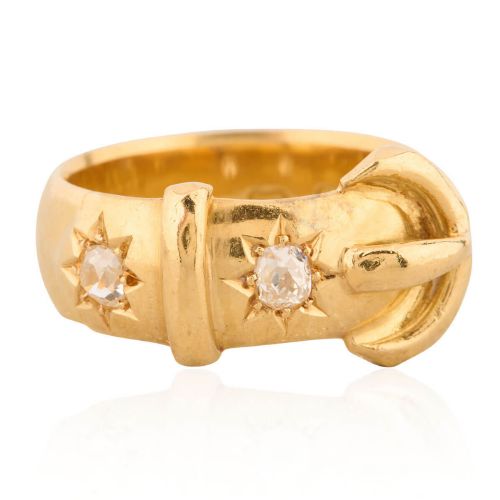
Makers across the eras also applied this flush-set technique to buckle motifs, snake designs, and boat-shaped mountings. The enduring appeal lies in the low-profile band that prevents catching on clothing while displaying bright old-cut diamonds.
Materials and technique
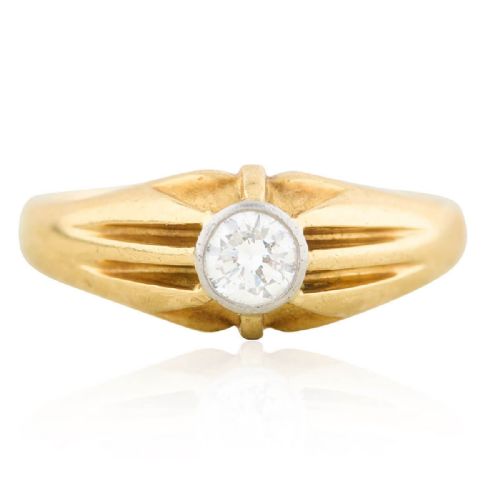
The foundation of these pieces relies predominantly on 18ct yellow gold, alongside 9ct gold, 15ct gold, and combinations using platinum or palladium settings. Jewellers selected these metals to provide sufficient malleability for hammering or burnishing the gold tightly over the girdle of the diamond.
Goldsmiths utilised the gypsy setting technique, sinking the diamond flush into the thick band of the ring. They then hand-engraved radiant star facets or celestial rays around the stone to catch the light and visually expand the presence of old-cut diamonds.
Star Set Diamond Band Retail Price Guide 2026
Typical asking prices for star set diamond band among the pieces listed under this phrase on Sellingantiques today, from the lower quarter to the upper quarter. They describe what is for sale here now, not the wider market.
The listings span Victorian, Edwardian, and Art Deco styles, utilising 18ct yellow gold, 9ct gold, 15ct gold, platinum, and palladium.
What varies in quality
The distinction between tiers rests upon the crispness of the hand-engraved starburst rays and the integrity of the surrounding metal. Superior examples display deep, sharp star incisions that retain their geometric precision despite decades of wear.
Quality also depends on the selection and matching of the central old-cut diamonds and accompanying coloured stones such as rubies or sapphires. Finer bands maintain substantial gold weight in the shank, avoiding thinness from excessive resizing or historical wear.
The Star Set Diamond Band Glossary
- Gypsy ring
- A style of ring where the stone is set flush into the thick, tapered band rather than held in raised prongs. This mounting style became immensely popular during the Victorian era for both men and women.
- Star set
- A method of flush-setting a diamond where small V-shaped gravers cut star rays into the surrounding metal. The resulting pattern frames the stone with bright, reflective facets.
- Old cut
- A diamond facet style hand-cut before the rise of modern brilliant machinery, characterised by a smaller table, higher crown, and open culet. These stones exhibit a softer, warmer scintillation under candlelight.
- Trilogy ring
- A ring featuring three primary stones set side by side, often representing the past, present, and future. In these listings, they frequently incorporate alternating diamonds and sapphires or rubies.
- Belcher ring
- A specific ring mounting featuring rounded, tapering shoulders that lift slightly to cradle a flush or star-set stone. It shares similarities with the traditional gypsy ring profile.
Star Set Diamond Band: Frequently Asked Questions
What is a star set diamond band?
A star set diamond band is a ring featuring diamonds embedded flush into the metal band, surrounded by hand-engraved starburst rays. These pieces date predominantly from the Victorian, Edwardian, and Art Deco eras.
They offer a smooth, snag-free profile that made them practical for daily wear in the nineteenth and twentieth centuries.
How do I wear a gypsy ring daily?
Because the stones sit flush with the metal surface, gypsy rings present a very low profile that resists catching on fabrics. This makes them exceptionally well-suited for continuous, everyday wear.
Regular checks by a jeweller ensure the flush-set metal remains tight over the diamond girdle.
Are these rings solid gold?
The listings on this page consist primarily of solid gold constructions, predominantly in 18ct yellow gold alongside 9ct and 15ct variations. Some Art Deco examples also incorporate platinum or palladium settings.
These solid metals provide the necessary structural depth required to hammer and burnish the star settings securely around the stones.
How can I tell a Victorian ring from Edwardian?
Victorian bands often feature heavier gold shanks with robust gypsy settings, sometimes incorporating black onyx, enamel, or serpents alongside rubies and sapphires. Edwardian examples frequently lean towards lighter, more ornate yellow gold bands or platinum-topped settings.
The cut of the diamonds and the hallmarks stamped inside the band also help confirm the exact period of manufacture.