
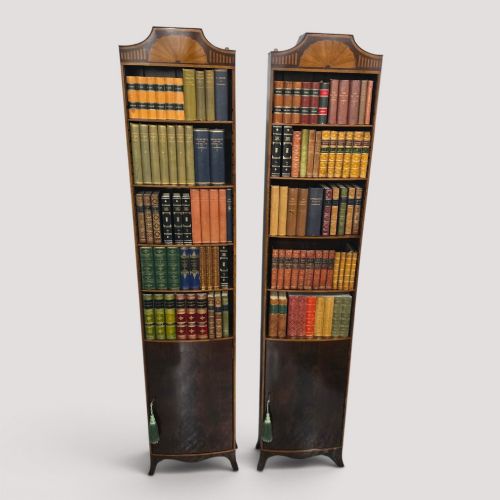
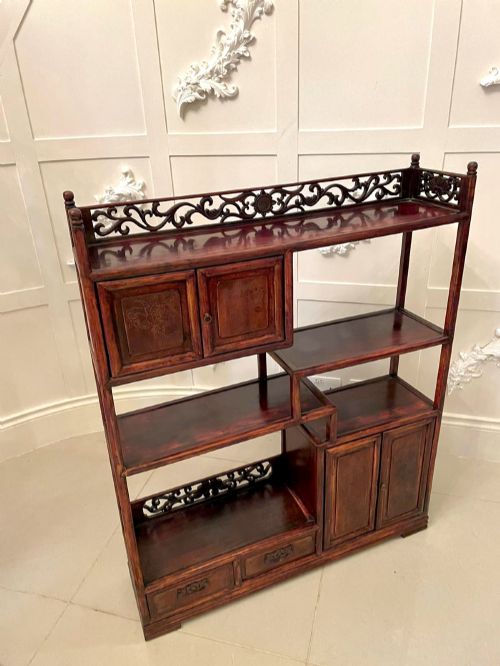
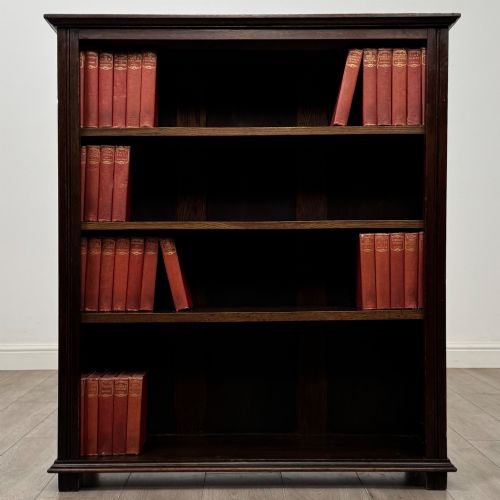
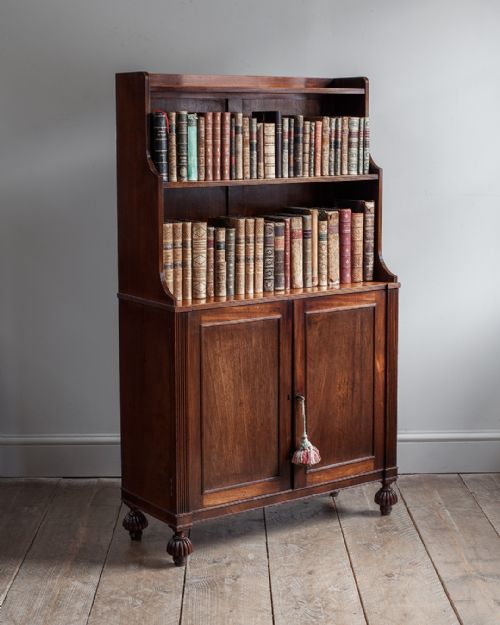
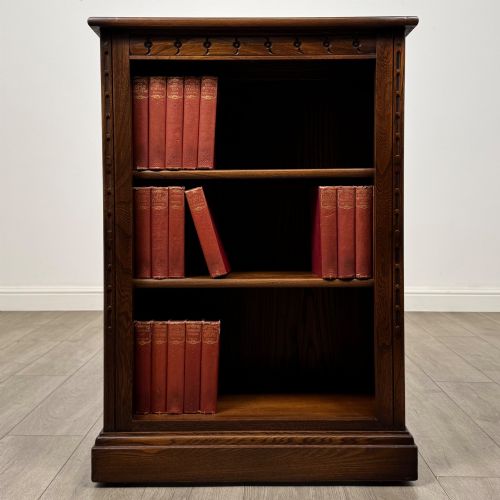
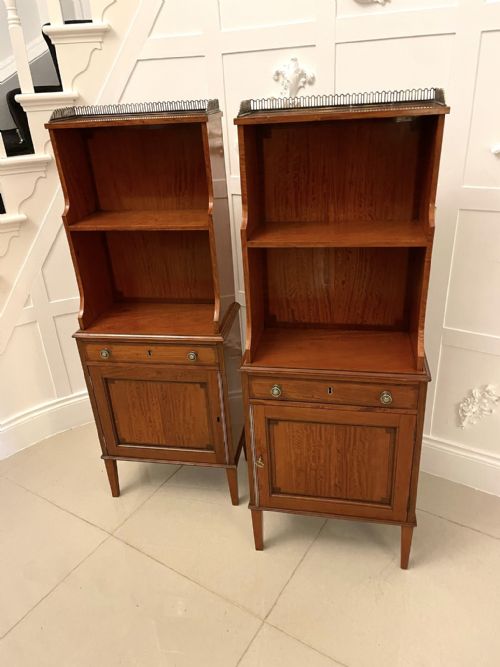
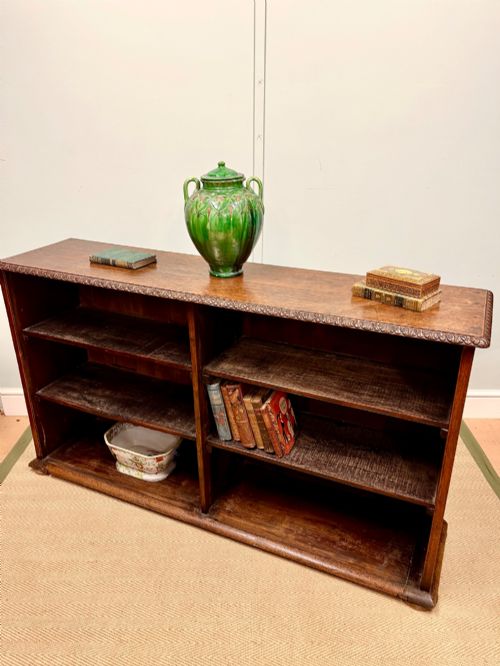
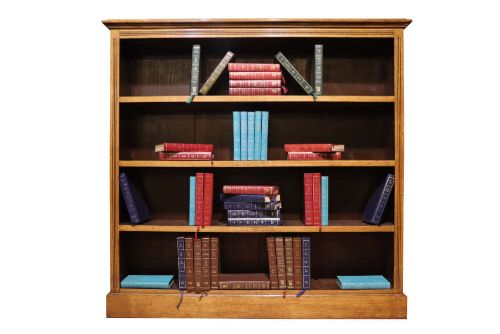
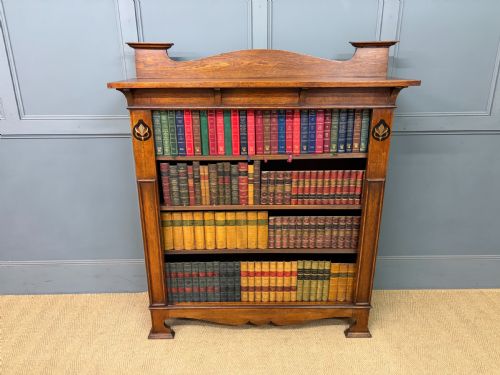
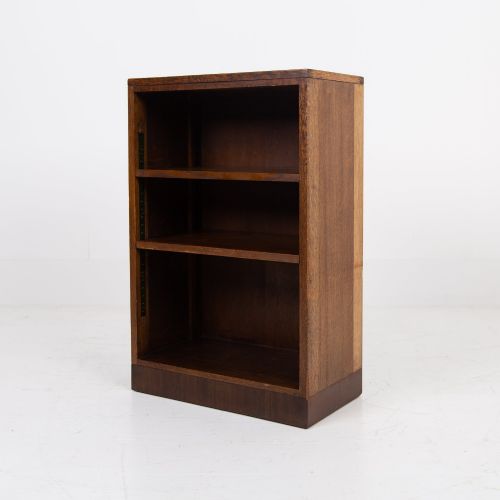
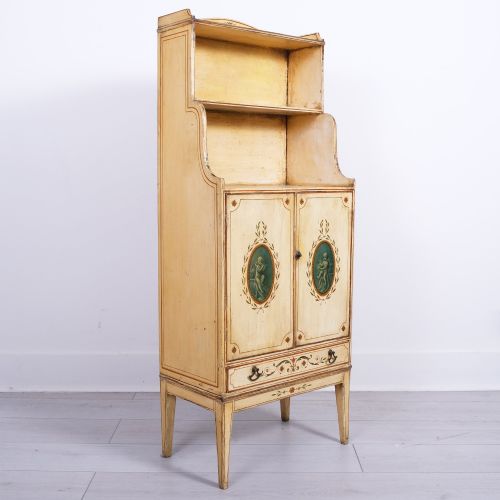
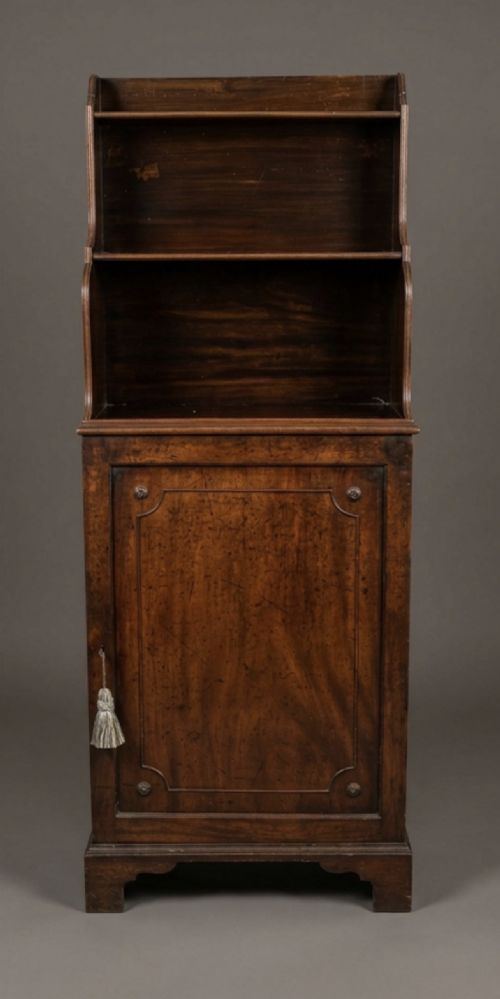
Standing Open Bookshelf Cabinet
Standing open bookshelf cabinet designs combine accessible display with freestanding stature, offering practical utility across diverse historic periods.
Standing Open Bookshelf Cabinet
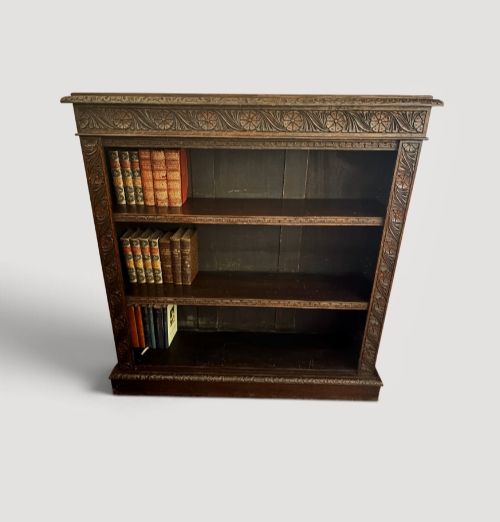
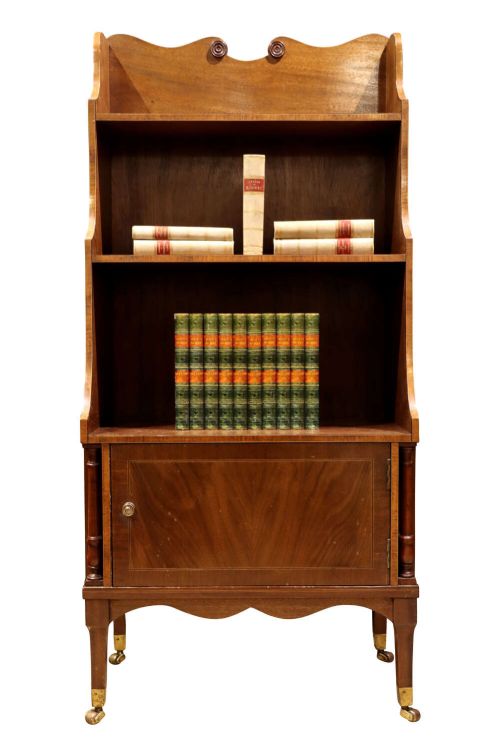
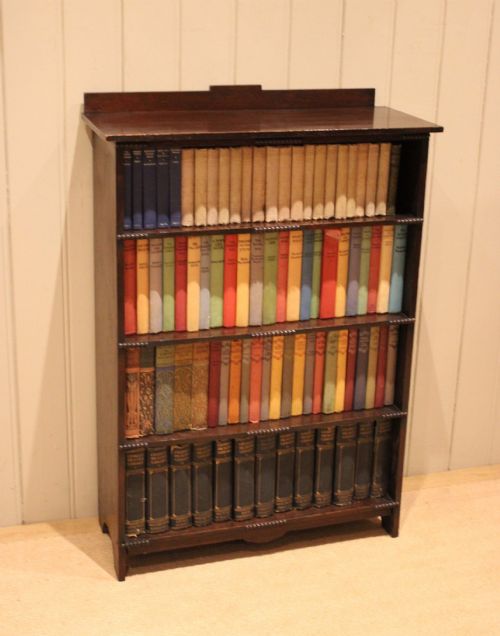
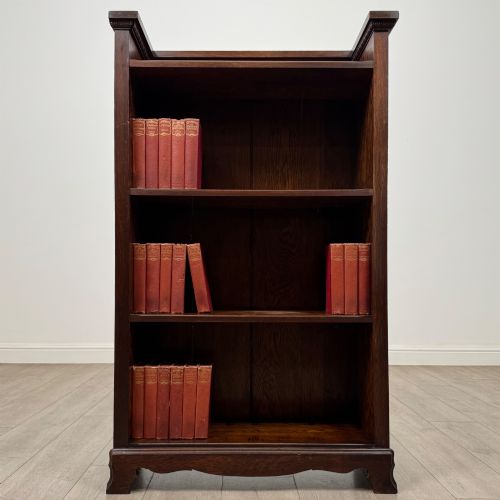
A standing open bookshelf cabinet serves as an accessible home for volumes and display items, maintaining an open front without glazed doors. When exploring standing open bookshelf cabinet examples, buyers encounter varied proportions ranging from low bedside editions to taller library pieces.
The selection encompasses forms produced across the eighteenth, nineteenth, and early twentieth centuries. Pieces frequently incorporate tiered open shelves above lower cupboards or drawers, uniting book storage with enclosed cabinet space.
Origins span British regional workshops alongside continental European and Asian traditions. Walnut, mahogany, and oak dominate the construction, reflecting the prevailing taste of each manufacturing era.
Materials and construction methods
Cabinet makers utilised dense hardwoods including mahogany, oak, walnut, rosewood, and satinwood. Selected timbers frequently display figured grains, natural warmth, and durable structural qualities suited to supporting heavy book collections.
Joining techniques combined traditional mortise and tenon framing with dovetailed drawer construction. Finer examples integrate decorative elements such as boxwood stringing, brass castors, carved mouldings, and ormolu mounts.
Some nineteenth-century makers mounted these cabinets on brass castors so exhausted scholars could roll their entire library closer to the hearth.
What separates the finest examples
Quality rests upon the selection of timber veneers and the crispness of carved or inlaid details. Superior pieces display thoughtful grain matching and robust internal framing that withstands decades of daily use.
Gillows
The Standing Open Bookshelf Cabinet Glossary
- Waterfall bookcase
- A tiered shelving unit where each successive shelf steps back from the one below, creating a cascading profile.
- Open bookcase
- A freestanding or fitted shelving unit lacking doors, designed for immediate access to books and decorative objects.
- Break-front
- A cabinet facade where the central section projects forward from the flanking wings, adding architectural depth.
- Inlay
- A decorative technique where contrasting woods or metals are fitted into carved recesses on the surface timber.
- Castor
- A small wheel attached to furniture legs to facilitate movement across floor surfaces.
Standing Open Bookshelf Cabinet: Frequently Asked Questions
What is a standing open bookshelf cabinet?
A standing open bookshelf cabinet is a freestanding piece of furniture designed to hold books and display objects without enclosing them behind doors. These units provide immediate visual access to their contents while maintaining a solid floor-standing presence.
They appear in various heights and configurations across historical periods, often combining open shelves with drawers or lower cupboards.
How do I date an antique bookcase?
Dating relies on examining timber choices, construction techniques, and stylistic ornament. Earlier pieces from the Georgian era often feature hand-cut dovetails and native timbers like oak or early mahogany, while Victorian and Edwardian examples introduce factory-standardised elements.
Secondary woods, nail types, and the presence of makers' marks or brass castors provide further chronological clues.
Where should I place an open cabinet?
These cabinets suit libraries, studies, and living rooms where easy access to books is desired. Placing them away from direct sunlight and heat sources protects the historic wood and bindings from drying out.
Ensure the floor surface is level so the freestanding frame remains stable against the wall.
What maintenance do these cabinets need?
Routine care involves dusting with a dry, soft cloth and occasionally feeding polished hardwood surfaces with appropriate wax. Avoid commercial silicon sprays that can degrade historic finishes over time.
Checking shelf supports and keeping humidity stable prevents timber warping and structural fatigue.