


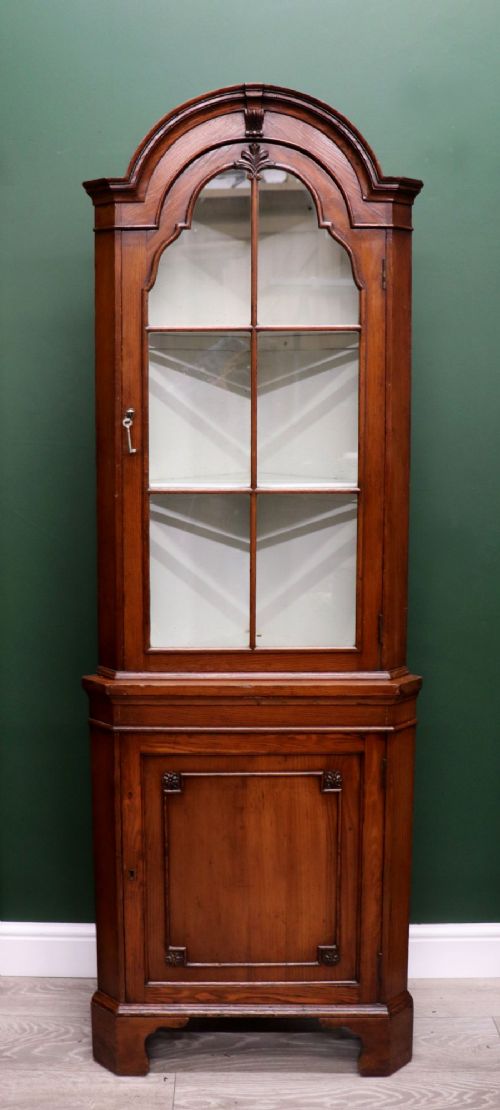


Standing Oak Glazed Cabinet
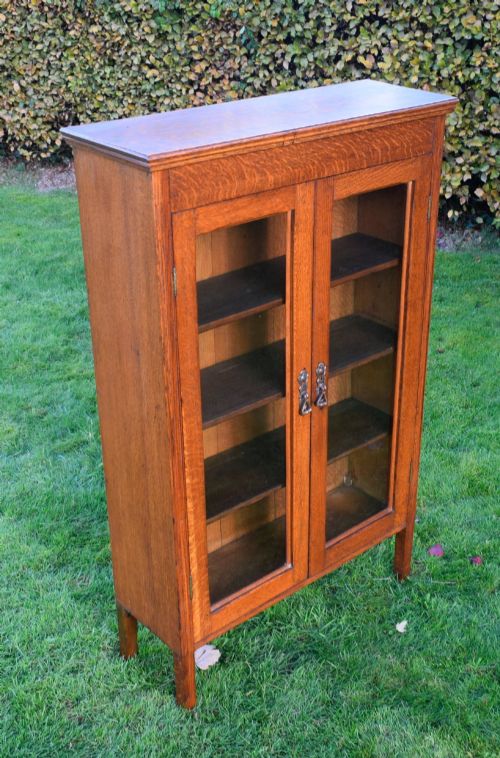
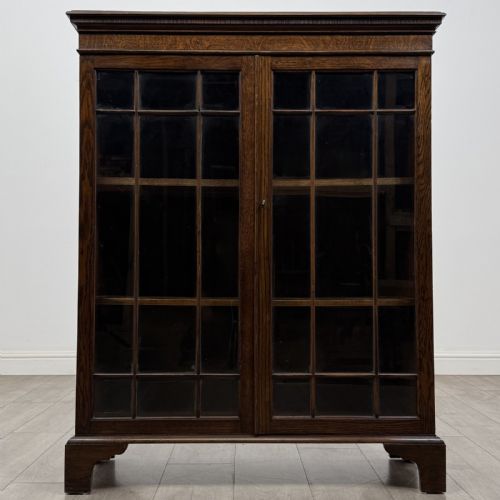
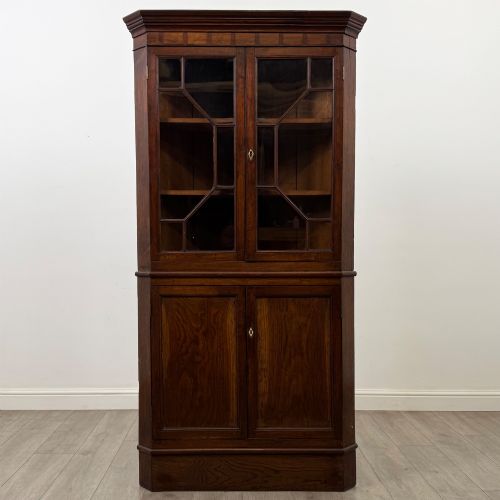
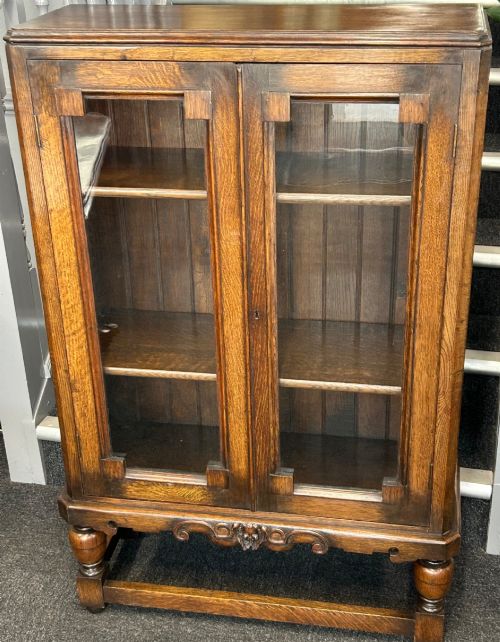
These standing oak glazed cabinet examples bring together practical display and rich timber grain, offering a commanding presence in any room.
Standing Oak Glazed Cabinet
A standing oak glazed cabinet stands as a substantial piece of furniture designed to exhibit books, ceramics, or collectibles behind glass doors while keeping them protected. When exploring a standing oak glazed cabinet, buyers will encounter corner formats, tall bookcases on stands, and two-part cupboards featuring drawers to the lower sections.
The pieces span a considerable chronological range from the eighteenth century through the Georgian and Regency eras, extending into Edwardian, Art Deco, and early twentieth-century interpretations. These tall and corner forms make efficient use of floor space whilst offering significant vertical storage.
Originating from British workshops as well as North European makers, the construction alters between vernacular corner cupboards and refined display bookcases. Buyers frequently select these items to anchor a room with timber warmth while providing visible storage for cherished items.
What Varies in Quality
Quality rests upon the selection of the timber grain, visible in figures such as golden oak or heavily carved surfaces, alongside the structural integrity of the glazed doors. Superior examples display precise joinery, well-fitted glass, and integrated lower drawers that operate smoothly within the carcase.
The refinement of the decorative vocabulary - ranging from restrained Georgian mouldings to Arts and Crafts tile details or Jacobean Revival carving - determines the visual distinction of each piece. Proportion and the balance between the glazed upper display and the solid lower storage further separate standard utility cupboards from finer cabinet work.
Standing Oak Glazed Cabinet Retail Price Guide 2026
Typical asking prices for standing oak glazed cabinet among the pieces listed under this phrase on Sellingantiques today, from the lower quarter to the upper quarter. They describe what is for sale here now, not the wider market.
The listings show standing oak glazed cabinets spanning from the eighteenth century through the Georgian, Regency, Edwardian, and Art Deco periods.
The Standing Oak Glazed Cabinet Glossary
- Glazing bar
- The wooden or metal strip that holds individual glass panes within a door frame. These bars create the grid pattern seen on many traditional bookcase doors.
- Cornice
- The decorative moulded projection that crowns the top of a cabinet. It finishes the upper edge and visually balances the base.
- Came
- A slender grooved strip of lead used to hold pieces of glass together in leaded windows or cabinet doors. It provides both structural support and decorative division.
- Gallery
- A low railing or raised edge atop a piece of furniture, designed to prevent items from sliding off. This feature often appears on the upper surface of smaller bookcases and cupboards.
- Plinth
- The heavy horizontal base supporting a standing cabinet. It raises the main body off the floor and provides a stable foundation.
Standing Oak Glazed Cabinet: Frequently Asked Questions
What is a standing oak glazed cabinet?
A standing oak glazed cabinet is a floor-standing piece of furniture built primarily from oak with glass-fronted doors for displaying objects.
These pieces function as bookcases, corner cupboards, or display units, combining enclosed vertical storage with visible shelving.
Where should I place a corner cabinet?
A corner cabinet fits naturally into the junction of two walls, utilising space that often remains empty in standard room layouts.
These units work well in dining rooms, living spaces, or hallways where floor area is at a premium.
How do I care for antique oak?
Antique oak benefits from occasional dusting with a soft cloth and minimal exposure to direct sunlight or sudden temperature changes.
Maintaining stable indoor humidity helps protect the timber and prevents the joints from drying out over time.
How can I tell the period of a cabinet?
Dating relies on observing construction methods, handle styles, timber preparation, and stylistic markers such as Georgian mouldings or Arts and Crafts details.
Comparing the overall proportions and decorative carving against documented regional furniture styles provides further clues to its age.