


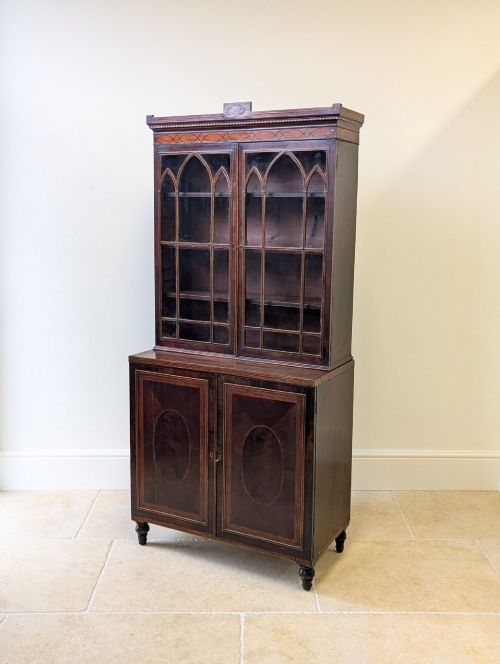
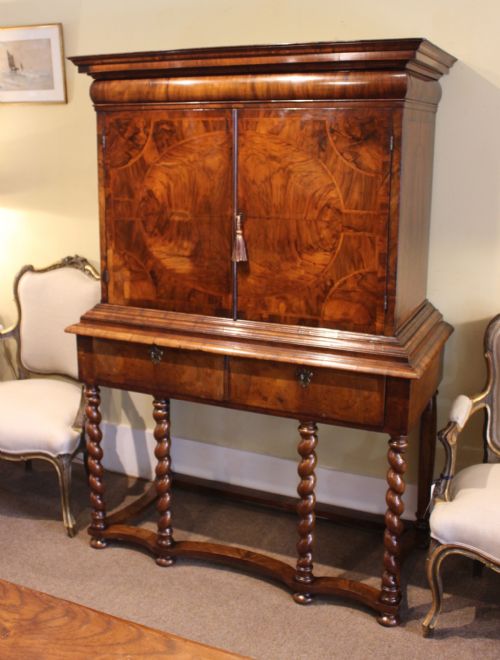


Standing Book Storage
Standing book storage brings together timber tiers and open shelves to hold volumes close at hand.
Standing Book Storage
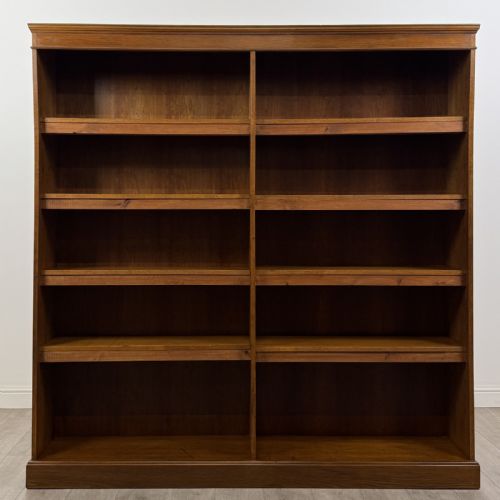
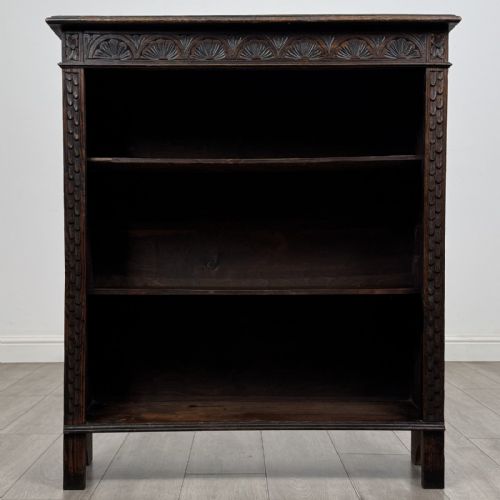
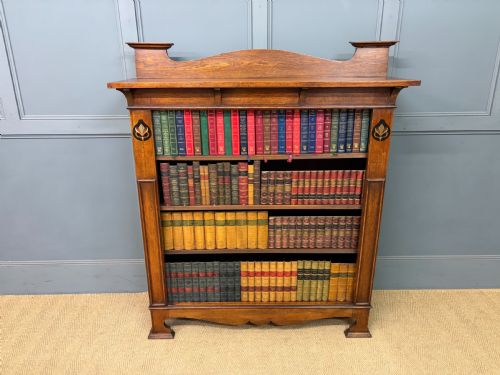
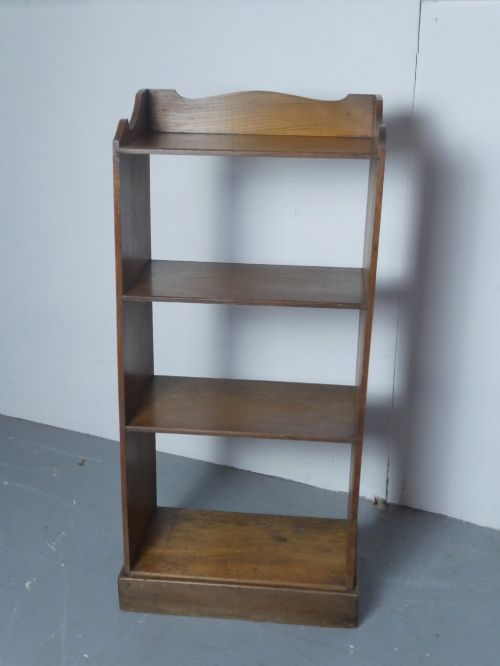
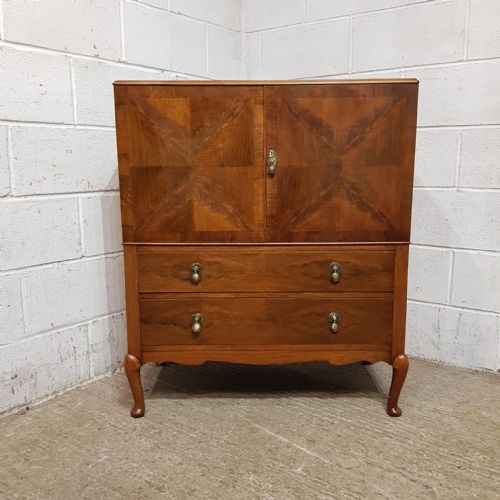
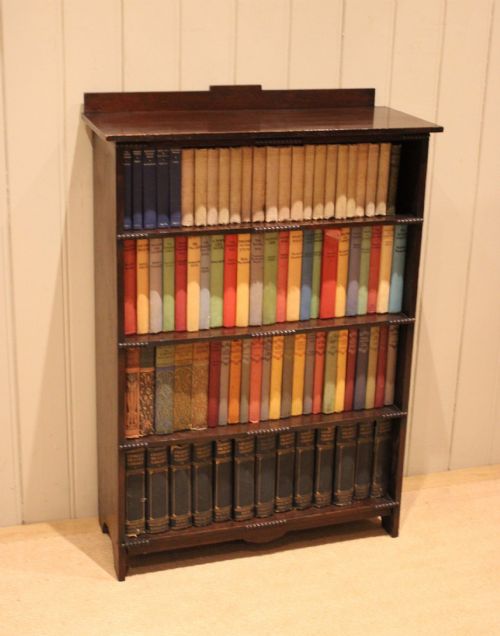
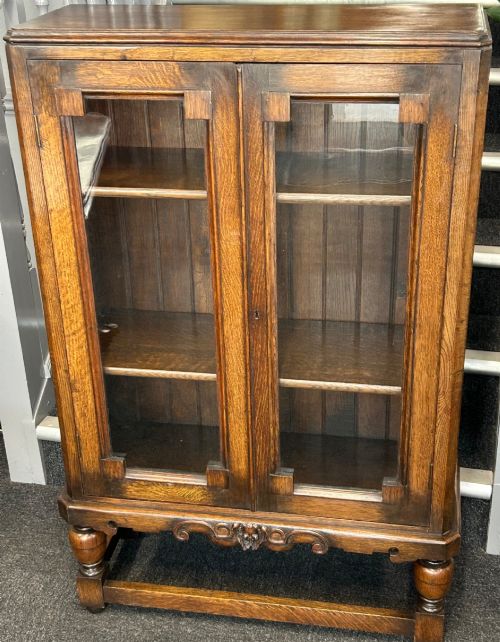
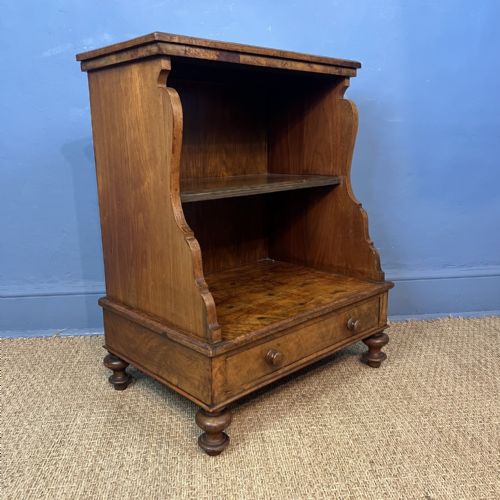
Standing book storage encompasses everything from open front bookcases and revolving tiers to tallboys, whatnots and cabinets spanning the Victorian, Edwardian and early twentieth century periods. Buyers searching for standing book storage frequently encounter sturdy oak and mahogany open bookcases, alongside revolving designs and multi-tiered whatnots.
The pieces on offer draw on styles ranging from Arts and Crafts and Jacobean Revival to Georgian and Victorian designs. Many incorporate practical additions such as adjustable shelves, raised galleries or lower drawers to maximise utility in domestic spaces.
How they were made
Makers utilised solid timbers including oak, mahogany and walnut, frequently selecting burr walnut veneers for decorative surfaces. Metal fittings such as brass appear on hardware and rotating mechanisms.
Construction techniques include carved details, beaded edges and inlaid ebonised accents. Glazed doors and open shelf frames are structured to support substantial weight while maintaining proportion.
Standing Book Storage Retail Price Guide 2026
Typical asking prices for standing book storage among the pieces listed under this phrase on Sellingantiques today, from the lower quarter to the upper quarter. They describe what is for sale here now, not the wider market.
Object forms range from simple open front bookshelves and revolving stands to tallboys, cabinets and multi-tiered whatnots.
What varies in quality
The selection of timber grain and the crispness of carved ornamentation distinguish finer examples from plain utility items. Superior pieces display thoughtful proportions, such as well-balanced revolving tiers or cleanly integrated lower drawers.
Joinery execution and the integration of functional elements like adjustable shelf tracks or smooth-turning mechanisms indicate the level of craftsmanship invested in the construction.
The Standing Book Storage Glossary
- Open bookcase
- A piece of furniture designed for displaying and holding books without front doors. It allows immediate access to volumes.
- Revolving bookcase
- A freestanding bookstand mounted on a rotating base. This permits books to be accessed from multiple angles while occupying a compact footprint.
- Tallboy
- A tall chest of drawers or storage cabinet, often combining shelf space or smaller compartments above larger drawers. It provides vertical storage capacity.
- Adjustable shelves
- Shelving supported by movable brackets or track systems that allow the vertical spacing to be altered. This accommodates books of varying heights.
Standing Book Storage: Frequently Asked Questions
Where should I place a revolving bookcase?
A revolving bookcase works effectively beside a reading chair or in the centre of a study where 360-degree access is useful. Its compact footprint also suits corners or smaller spaces.
Ensure there is sufficient clearance around the circumference so the tiers can spin freely without striking walls or adjacent furniture.
How do I adjust the shelves?
Most period bookcases with this feature utilise wooden pegs, metal pins or notched wooden side rails to support the shelf boards. Lift the shelf slightly and reposition the supports into the desired slots.
Take care when shifting heavy oak or mahogany boards to avoid marking the interior veneer or side panels.
Can these pieces hold heavy volumes?
Solid oak and mahogany construction provides strong load-bearing capacity for standard octavo and quarto volumes. Adjustable shelf systems distribute weight effectively across the vertical uprights.
Distribute heavier encyclopaedias or art folios evenly across the lower tiers to maintain structural stability.
How do I distinguish Edwardian from Victorian examples?
Victorian pieces often display heavier carving, darker finishes and more robust proportions in styles such as Jacobean Revival. Edwardian items frequently lighten the aesthetic with simpler lines, inlaid stringing or Arts and Crafts influence.
Examine the backboards, secondary timbers and drawer linings for clues regarding period construction methods.