
Standing Art Display
These standing art display pieces bring focus to a room, offering functional presentation for works on paper, books, and sculptural objects alike.
Standing Art Display
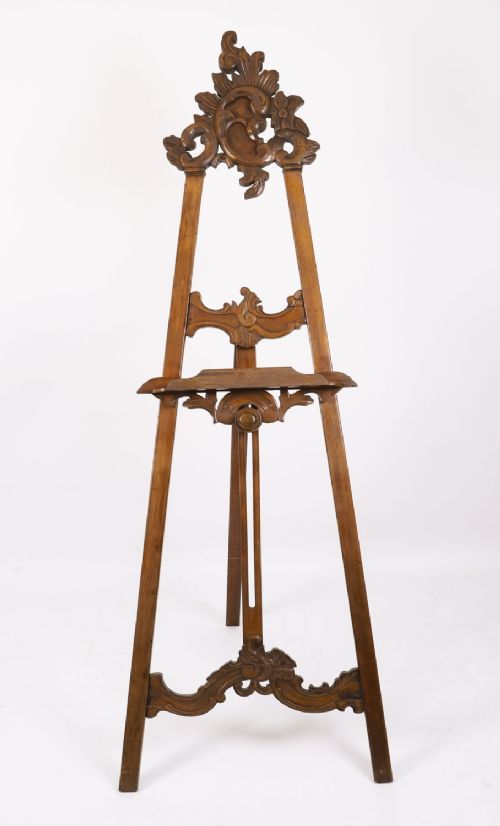
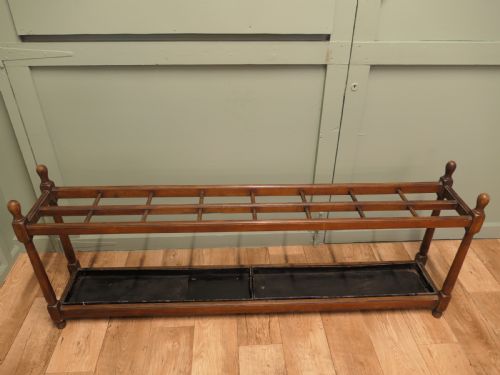
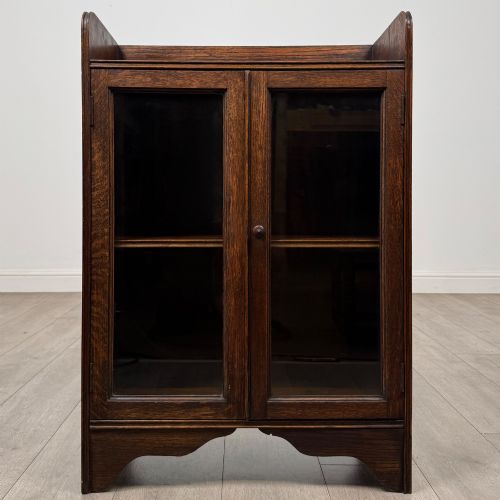
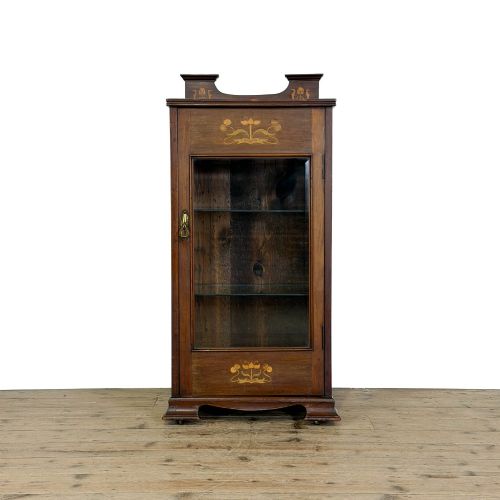
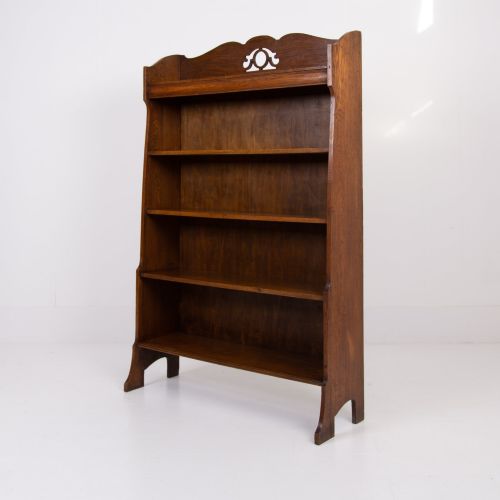
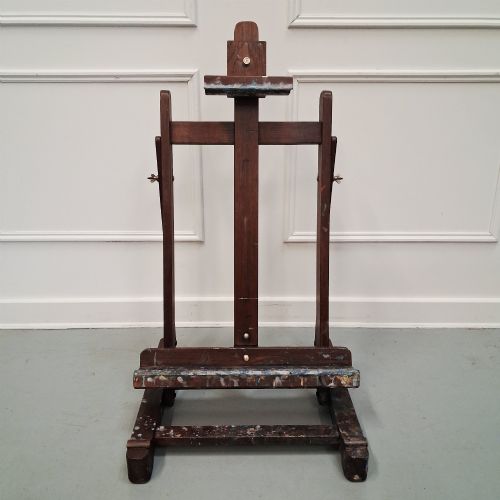
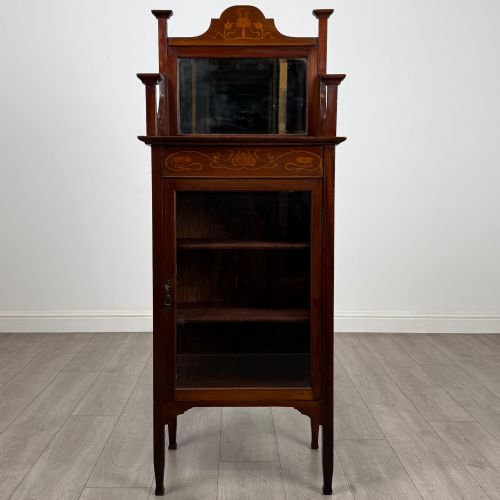
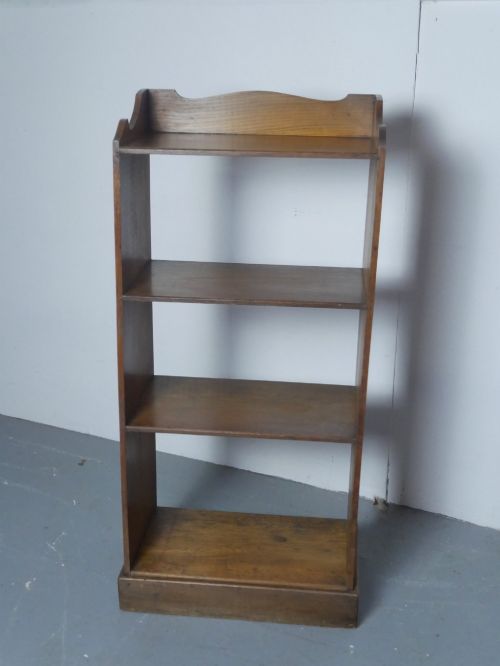
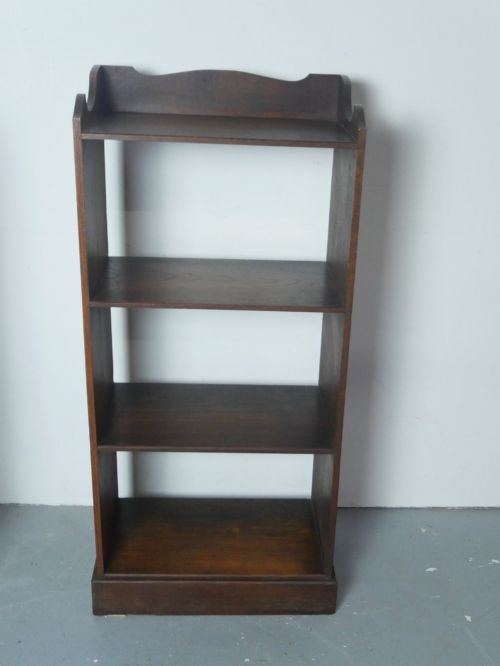
When searching for a standing art display, buyers encounter a diverse mix of forms designed to showcase objects and reading material. The selection spans sturdy floor-standing easels for working canvases, open bookcases for volumes, and glazed cabinets for prized artefacts.
Most examples originate from the Victorian, Edwardian, and Art Deco periods, alongside pieces dated to the nineteenth and early twentieth centuries. These items reflect the domestic priorities of their eras, blending utility with decorative ambition in the antechamber or studio.
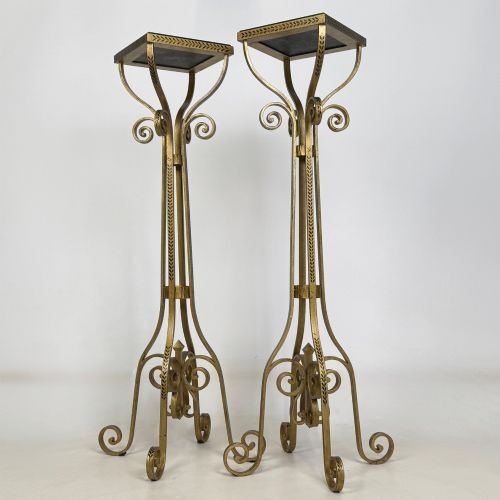
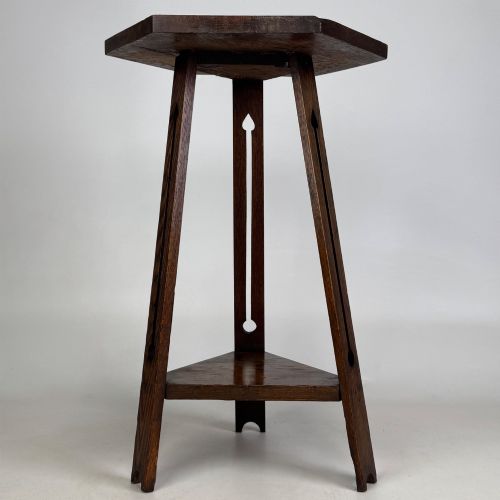
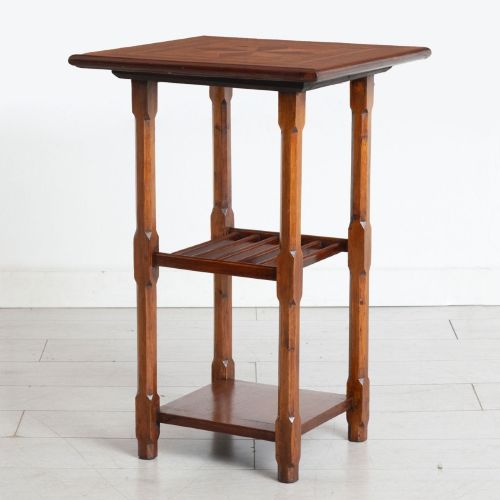
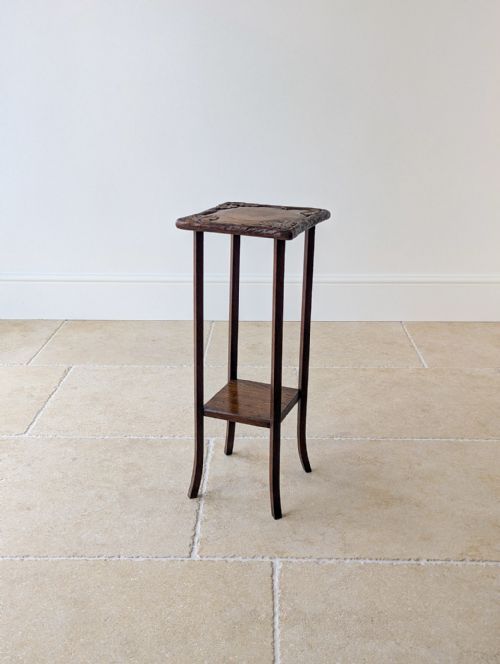
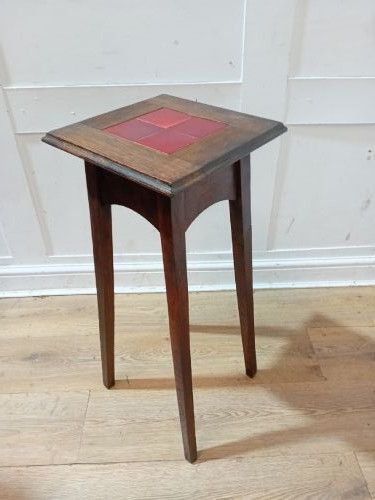
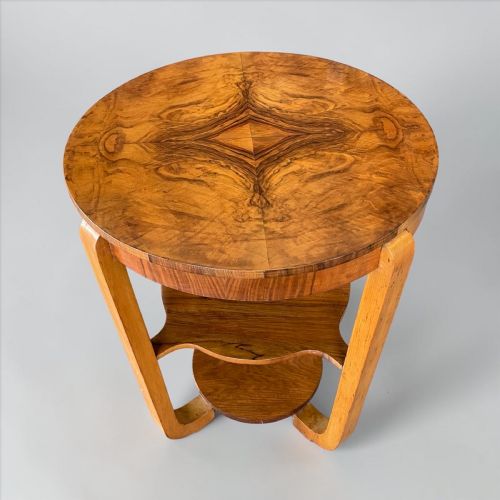
Makers utilised various formats, including plant stands, pedestals, and side tables, to elevate items off the ground. Buyers are particularly likely to meet oak and mahogany structures embodying Arts and Crafts ideals or later modernist lines.
How they were made
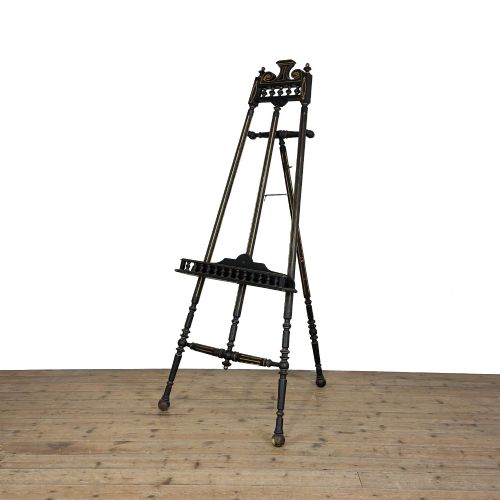
Timbers dominate the construction of these items, with oak, mahogany, walnut, and pitch pine providing structural integrity. Cabinetmakers shaped these woods into display cabinets, bookcases, and easels, frequently employing ebonised wood or satinwood for contrast.
Decorative metal accents, brass fittings, and occasional marble tops complete many of the designs. Surface treatments include fine inlay work, carving, and painted finishes that highlight the grain of the wood and the character of the period.
Current listings feature oak and mahogany predominantly, alongside walnut and beech across Edwardian and Art Deco periods.
What varies in quality
The distinction between standard utility items and superior examples lies in the selection of timber and the precision of the joinery. Figured walnut, intricate hand-carving, and thoughtful proportions elevate a piece from a simple storage unit to a notable focal point.
Attention to detail in hardware, such as original brass fittings and glazed door seating, determines the integrity of cabinets and display cases. Finishes that respect the natural grain without masking the age of the material signify superior craftsmanship.
Liberty & Co.·Liberty of London·Heals
The Standing Art Display Glossary
- Easel
- A freestanding upright frame used for holding an artist's canvas or displaying a framed work of art.
- Inlay
- A technique where pieces of contrasting timber or material are fitted into a recess to form a decorative surface pattern.
- Ebonised
- Wood treated with a stain or chemical process to imitate ebony, popular in nineteenth-century aesthetic design.
- Jardiniere
- A decorative stand or container specifically designed to hold plants or flowers within a room.
- Pedestal
- A structural support or plinth used to elevate a bust, sculpture, or plant stand above floor level.
Standing Art Display: Frequently Asked Questions
How do I choose between an easel and a cabinet?
Easels suit open studio spaces and the presentation of unframed or framed canvases where flexibility matters. Cabinets provide enclosed protection for delicate objects and organised storage for books.
Consider the items intended for display to determine whether open presentation or glazed security serves the collection better.
What periods do these pieces represent?
The available selection spans from the nineteenth century through the Edwardian era and into the Art Deco period. Arts and Crafts influences appear frequently among early twentieth-century examples.
Each era brings distinct material preferences, ranging from heavy oak constructions to lighter inlaid mahogany.
Where should I place a standing art display?
Floor-standing easels require adequate clearance and good lighting to function effectively as focal points in a reception room or study. Bookcases and cabinets anchor walls in libraries and hallways.
Ensure placement avoids direct sunlight to protect wooden surfaces and displayed paper items.
How do I care for antique wooden display items?
Maintain stable indoor humidity levels to prevent wood from splitting or warping over time. Dust regularly with a soft, dry cloth rather than applying heavy chemical polishes.
Periodically check joints and brass fittings to ensure structural stability remains secure.