




Stacking Wedding Ring
A stacking wedding ring offers a slim profile designed to sit neatly alongside other bands on the finger.
Stacking Wedding Ring
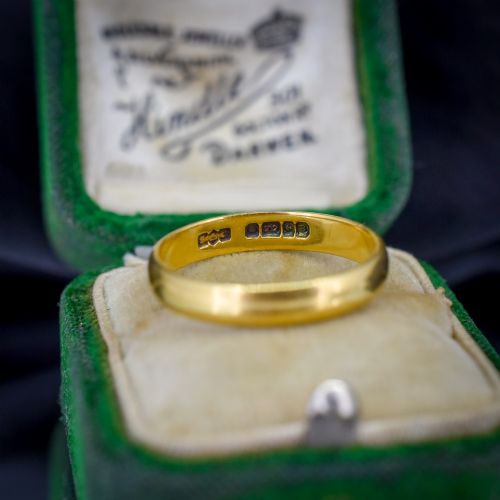
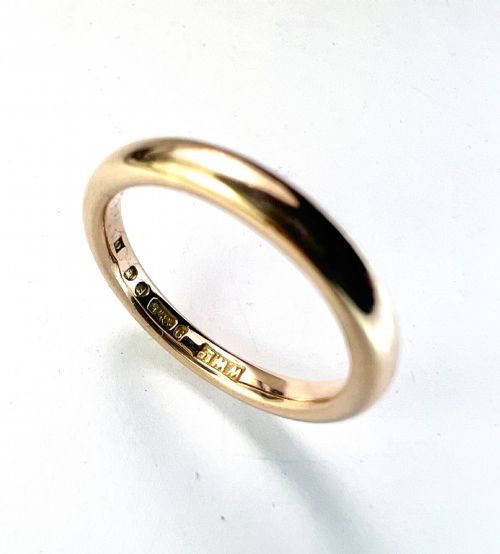
A stacking wedding ring brings together various designs ranging from plain metal bands to gem-set eternity and half-eternity styles. Buyers searching for a stacking wedding ring will encounter pieces spanning the Victorian era through the mid-twentieth century.
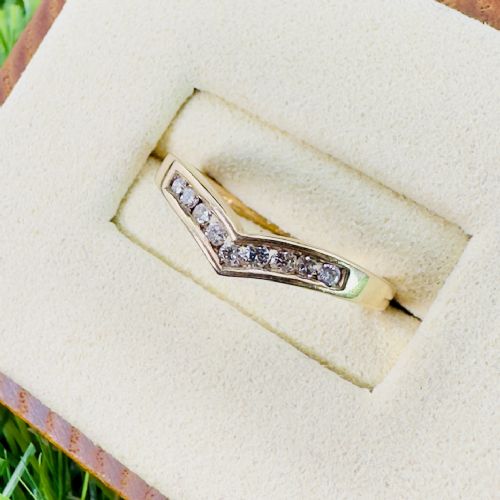
The selection includes plain gold bands alongside diamond and ruby-set options shaped in wishbone or straight profiles. Mid-century and Art Deco examples dominate, providing slender bands suited for wearing together.
How they were made
Goldsmiths shaped these rings from yellow gold, white gold, and platinum, utilising metals of varying carat weights such as nine carat, fifteen carat, eighteen carat, and twenty-two carat. Plain bands rely on simple metal forming, while gem-set rings incorporate carefully secured stones.
Diamond settings feature old cut stones alongside seven-stone and full eternity arrangements. Engraved detailing appears on nineteenth-century yellow gold examples, showing hand-worked surface patterns.
Stacking Wedding Ring Retail Price Guide 2026
Typical asking prices for stacking wedding ring among the pieces listed under this phrase on Sellingantiques today, from the lower quarter to the upper quarter. They describe what is for sale here now, not the wider market.
Some wishbone rings spent decades tucked secretly beneath large engagement stones, finally gaining solo attention today.
What varies in quality
The standard of a stacking wedding ring depends on the weight and purity of the precious metal, with higher carat gold and platinum offering greater substance. The presence and cut of diamonds, such as old cut stones, elevate the distinction of gem-set pieces.
Design execution separates simple utility bands from intricate Art Deco eternity rings and engraved Victorian specimens. The crispness of hand engraving and the secure setting of stones dictate the refinement of the finished piece.
The Stacking Wedding Ring Glossary
- Wishbone ring
- A band shaped in a V-form designed to accommodate the stone setting of a neighbouring engagement ring. This curved profile allows multiple rings to sit flush against one another.
- Half eternity ring
- A band set with gemstones across the upper half of the circumference. This style provides the visual impact of an eternity ring while leaving the underside plain for comfort and sizing adjustments.
- Full eternity ring
- A band featuring an unbroken circle of gemstones around the entire circumference. This continuous setting requires precise stone matching and secure channel or claw work.
- Old cut diamond
- A diamond cut with facets designed before modern brilliant-cut standards were established. These stones typically display smaller tables and broader culets, creating a softer candlelight sparkle.
- Plain wedding band
- A smooth metal ring without gemstones or surface engraving. These bands rely entirely on the quality of the metal and the purity of the profile for their character.
Stacking Wedding Ring: Frequently Asked Questions
Can I wear multiple stacking rings together?
These bands are specifically shaped to be worn alongside other rings on the same finger. Their slender profiles allow them to combine without feeling overly bulky.
Different widths and metal colours can be mixed to create a personalised combination that sits comfortably on the hand.
How do I identify a wishbone ring?
A wishbone ring has a distinct angled or curved V-shape rather than a straight circular band. This contour was created to nestle neatly against the protruding stone of an engagement ring.
The shape prevents the two rings from rubbing together and creates a unified look on the finger.
What metals were commonly used in vintage stacking rings?
Yellow gold appears in various purities ranging from nine carat up to twenty-two carat. White gold and platinum were also utilised, particularly in mid-century and Art Deco designs.
Each metal brings a distinct tone and weight, allowing buyers to match existing jewellery or mix colours.