

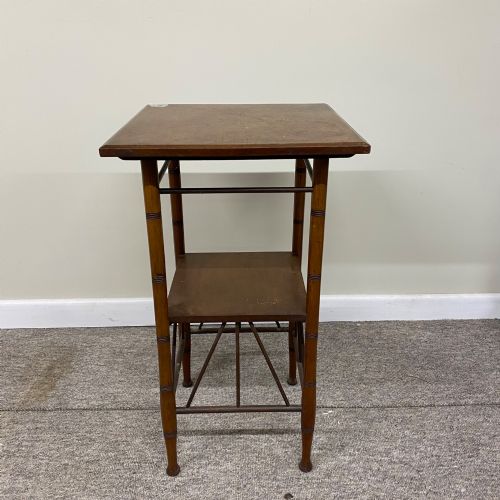
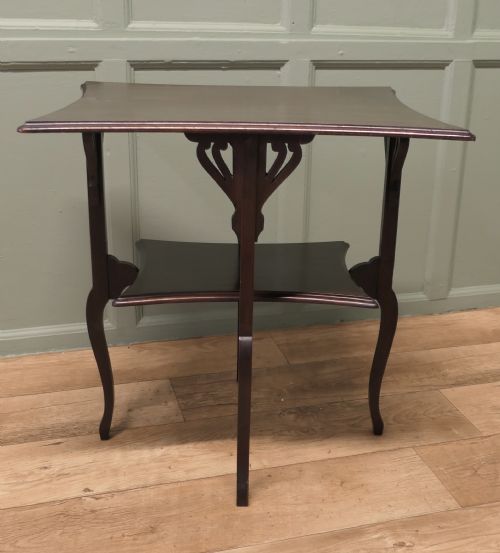
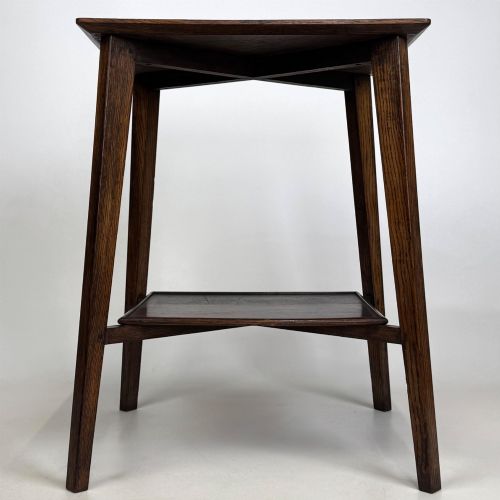
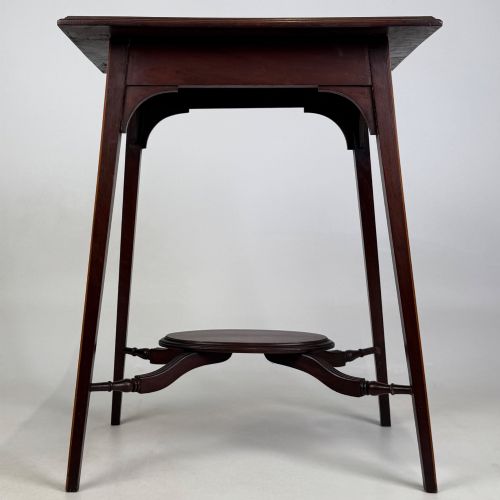

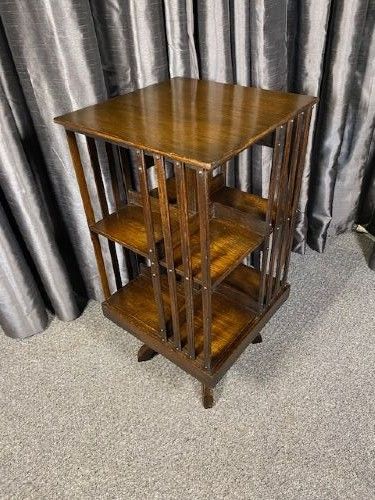
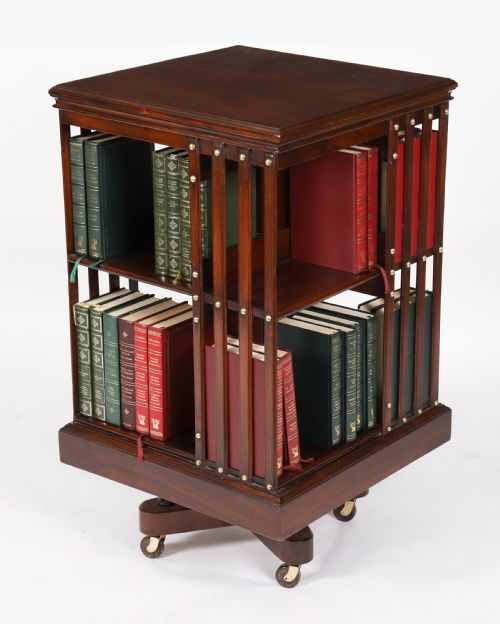

Square Tier Table
A square tier table brings architectural structure and tiered display space to a room, drawing on Edwardian, Victorian, and later periods.
Square Tier Table
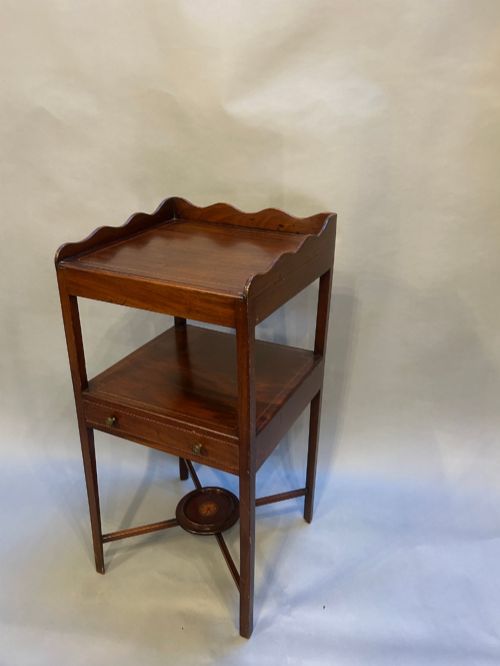
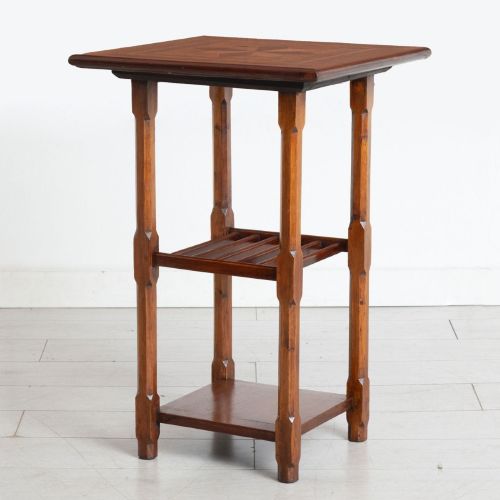
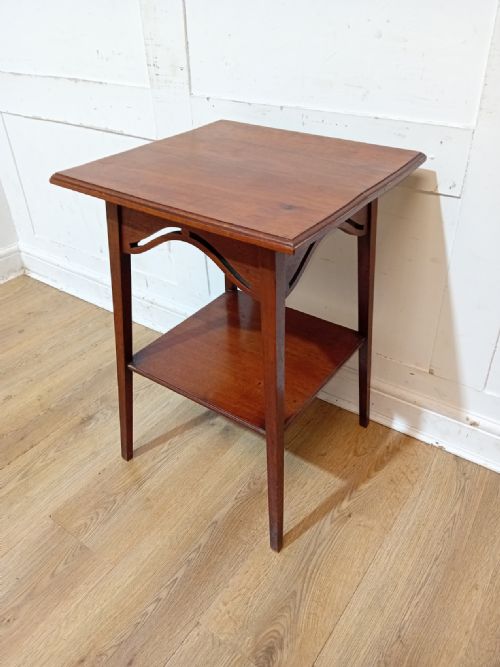
A square tier table provides multiple levels of surface area within a compact footprint, frequently appearing as a side table, lamp table, or occasional table. These pieces emerge predominantly from the Edwardian and Victorian eras, alongside examples from the Arts and Crafts movement and the Art Deco period.
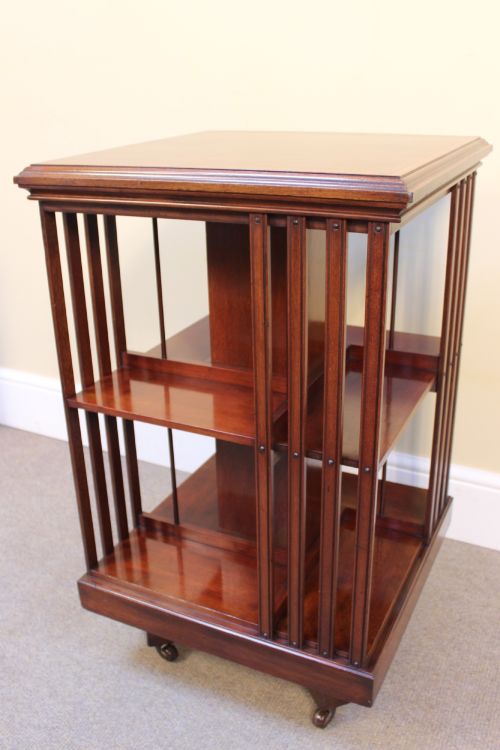
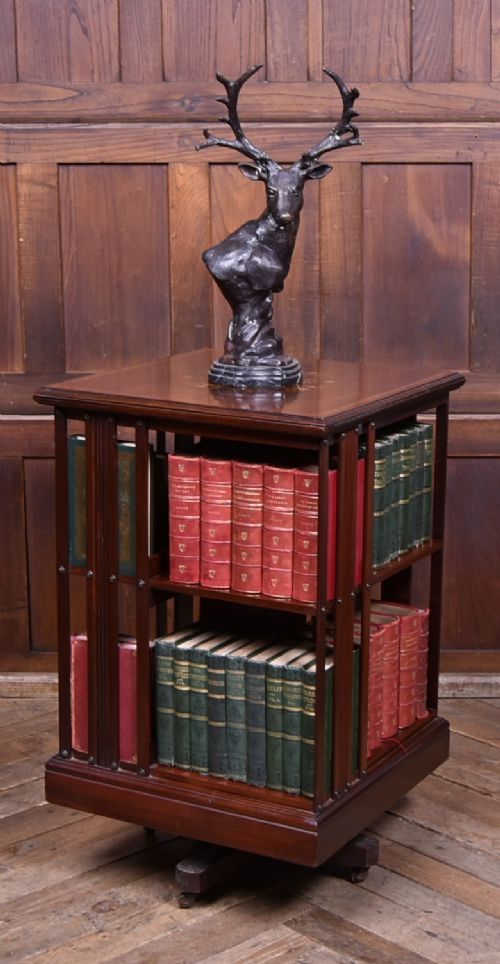
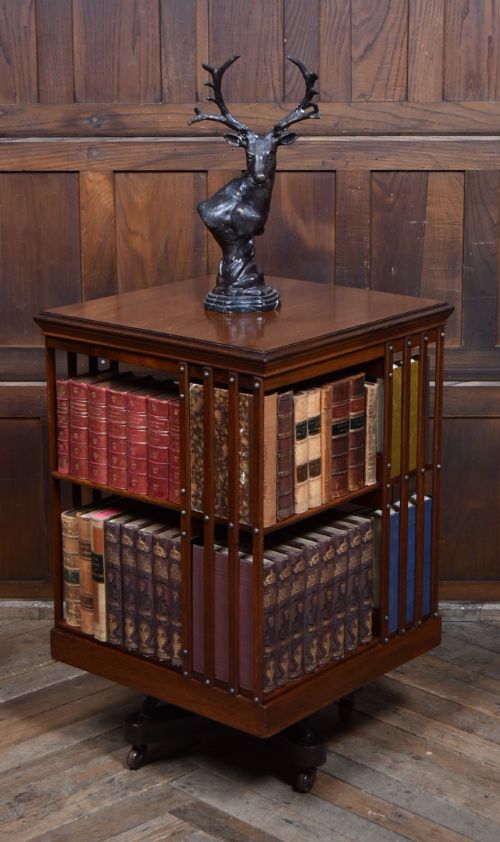
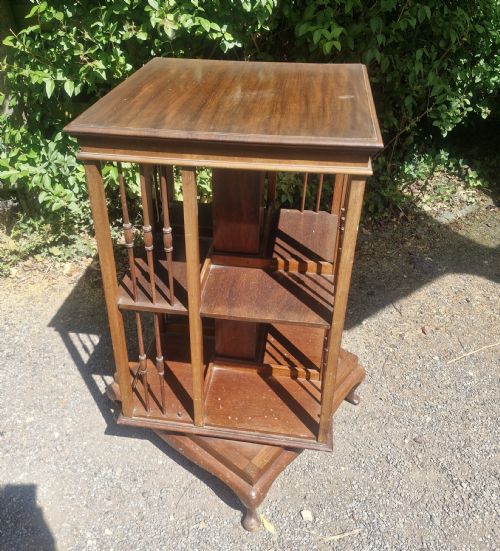
The form often incorporates lower shelves or multiple revolving tiers designed to hold books or small decorative objects. Variants range from inlaid mahogany occasional tables to carved walnut pieces and Chinese hardwood tiers.
Buyers encounter traditional British revival styles, such as Sheraton Revival and Chippendale style, as well as distinct international designs like Chinese traditional tables. The most common form on this page combines a square top with a lower shelf or tiered shelving structure.
How they were made
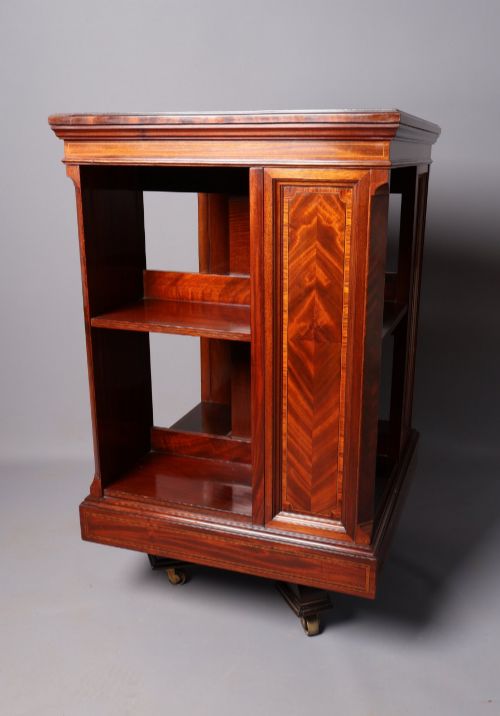
Makers utilised primary timbers including mahogany, walnut, oak, and hardwood, often enhancing surfaces with satinwood and boxwood inlay or marquetry. Highly figured veneers appear on later Art Deco pieces, while other examples feature handmade carved detailing.
Structural hardware frequently incorporates brass and other metal elements, particularly in revolving mechanisms for bookcases and multi-tier stands. Joinery methods relied on traditional cabinet-making techniques appropriate to the period, from late nineteenth-century workshop construction to early twentieth-century production.
Square Tier Table Retail Price Guide 2026
Typical asking prices for square tier table among the pieces listed under this phrase on Sellingantiques today, from the lower quarter to the upper quarter. They describe what is for sale here now, not the wider market.
Listings feature pieces spanning from the nineteenth century through the Edwardian period and into Art Deco times, constructed in mahogany, walnut, oak, and hardwood.
What varies in quality
The standard of a square tier table rests upon the choice of timber and the precision of its decorative elements, such as fine boxwood and satinwood inlay or intricate carving. Pieces displaying highly figured veneers or documented workshop origins demonstrate superior craftsmanship.
Structural integrity in multi-tiered and revolving forms depends on the smooth operation of internal mechanisms and the rigidity of the upright supports. Refined proportion and balanced wood grain separate standard utilitarian items from finer examples produced during the Edwardian and Victorian periods.
Liberty of London·Maple and Co
The Square Tier Table Glossary
- Tier table
- A small table featuring multiple stacked surfaces or shelves. This design maximises display and storage capacity within a modest floor area.
- Marquetry
- The art of applying pieces of veneer to a structure to form decorative patterns. Craftsmen use varied timber tones to create pictures or geometric motifs.
- Inlay
- A technique where contrasting materials are inserted into recessed cavities in the wood surface. Boxwood and satinwood are typical choices for linear stringing.
- Revolving bookcase
- A freestanding tiered bookcase mounted on a hidden rotating base. Users can access books from all sides without moving the furniture.
- Sheraton Revival
- A late nineteenth and early twentieth-century design movement inspired by the neoclassical furniture of George Sheraton. It favours light timbers and delicate classical ornamentation.
Square Tier Table: Frequently Asked Questions
How do I use a square tier table?
These tables function well beside seating as lamp tables or occasional surfaces where extra levels allow for books and small objects. Their compact footprint suits corners or smaller interior spaces.
Multi-tiered versions also serve effectively as plant stands or display surfaces for decorative ceramics and collections.
What periods do these tables come from?
The selection spans the late nineteenth century through to the early twentieth century, encompassing Victorian, Edwardian, and Art Deco eras.
Maker dates and stylistic revivals, such as Sheraton Revival and Arts and Crafts, help place specific items within this timeline.
Are revolving bookcases considered tier tables?
Many revolving bookcases utilise a tiered shelving structure that shares the functional purpose of a square tier table.
They provide multiple square levels for storage while incorporating a rotating mechanism for easy access.
What woods are commonly used?
Mahogany and walnut form the primary structure for the majority of these tables, often complemented by oak and exotic hardwoods.
Decorative elements frequently include satinwood and boxwood inlay, alongside metal and brass details.