
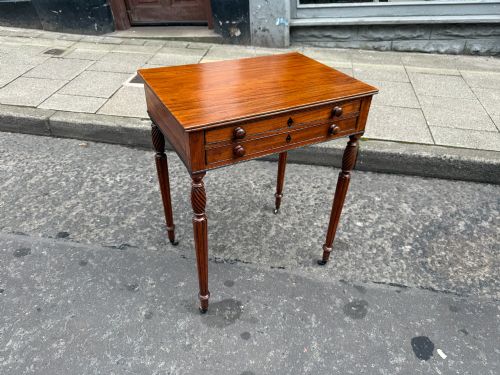
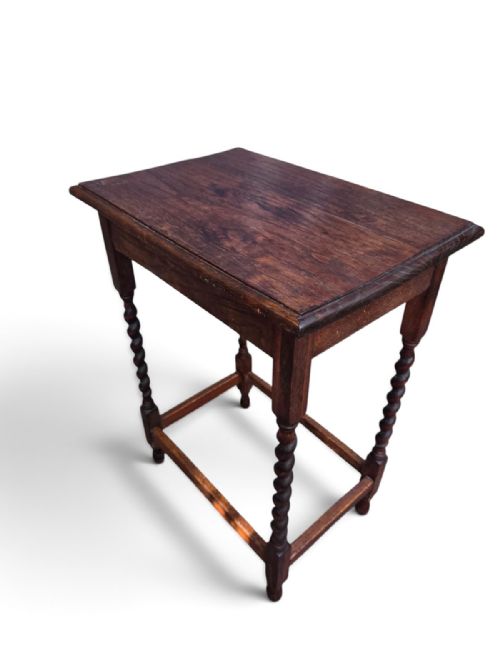
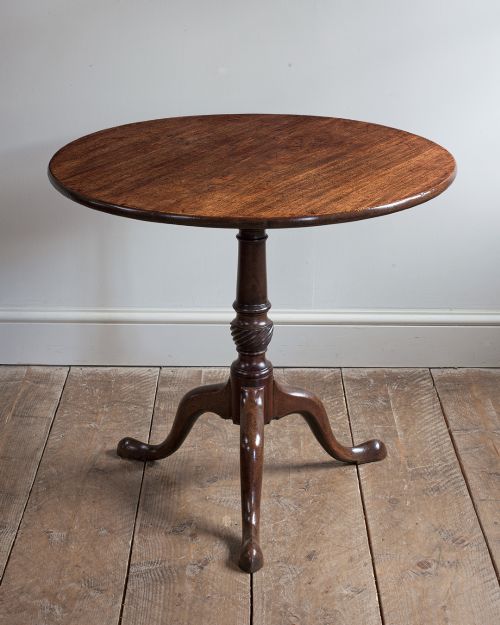
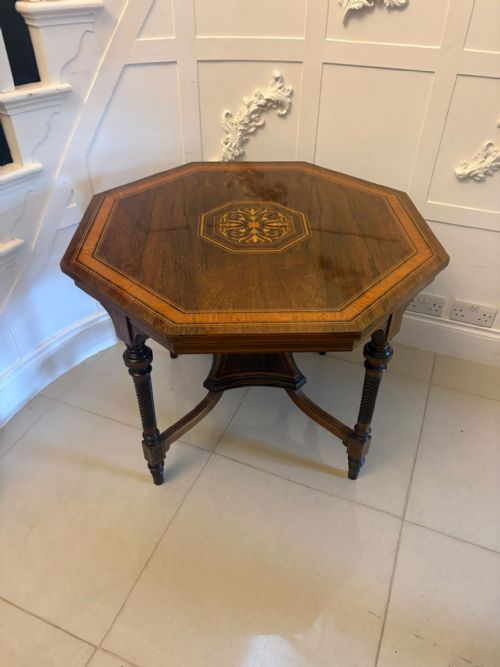






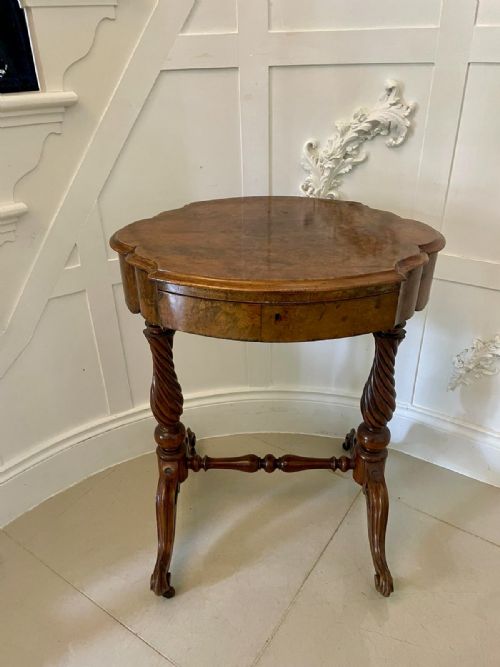
Spiral Leg Occasional Table
A spiral leg occasional table brings tactile timber and rhythmic turned framing together, offering a versatile surface for daily use in any room.
Spiral Leg Occasional Table
A spiral leg occasional table brings functional surface space and decorative turned woodwork together in a compact form. The selection on this page spans several centuries, moving from early eighteenth-century Georgian examples through Regency designs to later Victorian and Edwardian interpretations.
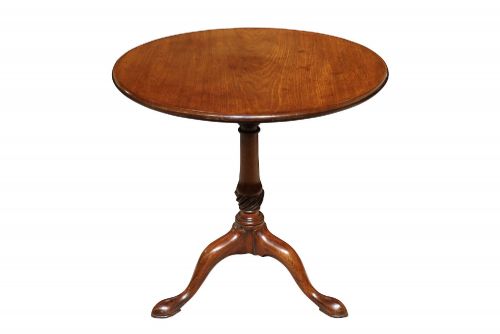
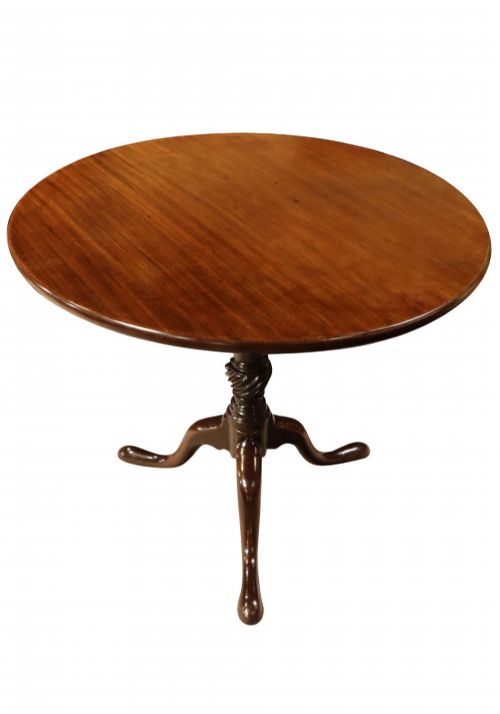
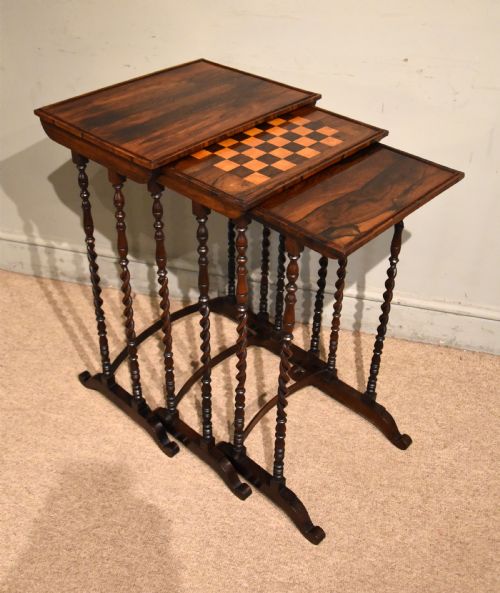
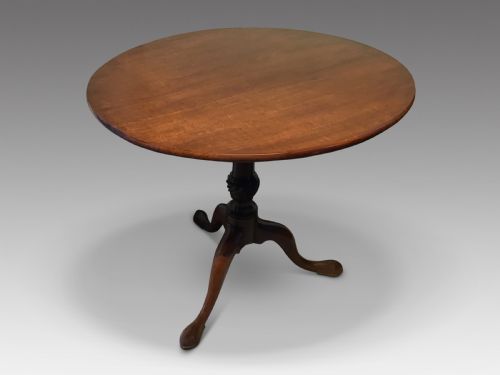
These pieces appear in various configurations, including tripod bases, nest formats, drop-leaf options, and octagonal centre tables. Timber choice defines much of the character, with dense hardwoods providing the structural integrity needed for slender turned supports.
Materials and construction methods
Cabinetmakers utilised rich timbers such as mahogany, walnut, oak, and rosewood to build these small tables. Grain selection mattered greatly, as highly figured surfaces and contrasting inlay work added visual depth to modest proportions.
The distinctive twist supports required skilled lathe work to shape uniform spirals along the length of the leg. Joinery relied on traditional methods to ensure stability without compromising the delicate balance of the frame.
Some nineteenth-century makers described their eccentric tables as gypsy designs, bringing a touch of bohemian informality to the parlour.
Distinguishing quality across examples
Quality rests in the crispness of the timber turning and the precision of the joinery connecting the legs to the top. Superior pieces display smooth, continuous curves along the twist without hesitation or wobble in the stance.
Surface finish and secondary timber selection separate standard production from finer workshop output. Original patination on woods like mahogany and walnut indicates how well a piece has survived decades of domestic use.
The Spiral Leg Occasional Table Glossary
- Spiral twist
- A carved or turned column resembling a helix or rope pattern, frequently seen on seventeenth- and nineteenth-century supports. This decorative technique adds movement to vertical members.
- Tripod table
- A small freestanding table supported by three legs radiating from a central pillar. Many versions feature a tilt-top mechanism for convenient storage.
- Occasional table
- A generic term for a small, moveable table designed for specific, intermittent use around a room. These pieces function easily beside seating or in hallways.
- Inlay
- The technique of embedding contrasting woods, brass, or shell into the primary surface to create decorative patterns. Marquetry and parquetry represent two common forms of this ornamentation.
- Drop-leaf
- A table design featuring hinged flaps that fold down to save space or lift up to extend the usable surface. Brackets or swing legs support the leaves when raised.
Spiral Leg Occasional Table: Frequently Asked Questions
Where should I place an occasional table?
These compact tables fit readily beside armchairs, in narrow hallways, or as bedside surfaces where floor space is limited. Their modest footprint allows them to move easily between rooms depending on daily requirements.
Because many examples feature finished backs and detailed timber grain, they look effective when viewed from any angle in an open room setting.
How do I care for antique timber tables?
Keep wooden surfaces away from direct heat sources and strong sunlight to prevent the timber from drying out or fading over time. Regular dusting with a soft, dry cloth preserves the natural lustre of the finish.
Apply a traditional wax polish occasionally to nourish the wood and maintain its protective barrier against everyday moisture.
What is the difference between a side table and an occasional table?
A side table typically stands against a wall or beside specific furniture, often incorporating drawers or lower shelves for storage. Occasional tables are generally lighter and designed to be moved freely about a space.
Both types serve similar utilitarian functions, but occasional pieces tend to prioritize flexibility of placement over fixed storage capacity.
How can I identify the period of a turned leg?
Early seventeenth- and eighteenth-century twists often display a hand-carved, slightly irregular profile with deep undercutting. Later nineteenth-century revivals utilise precise machine lathe turning that appears more uniform.
Examining the surrounding construction methods, secondary timbers, and overall proportion helps confirm the era of manufacture alongside the leg design.