





Spelter Statue Light
A spelter statue light brings figural presence and illumination into a room, combining sculptural metalwork with functional lighting.
Spelter Statue Light
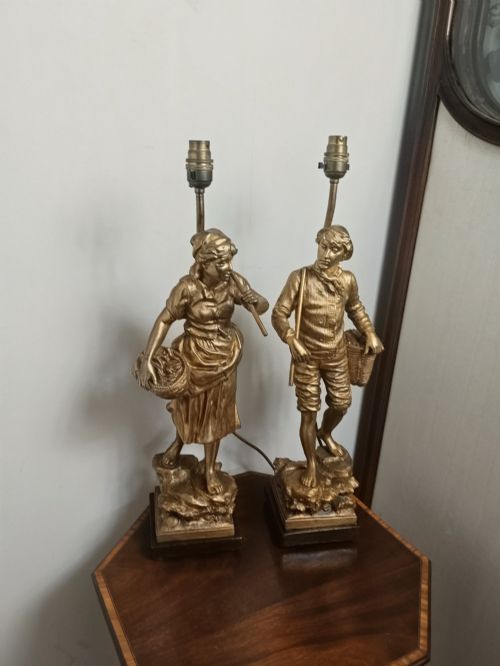
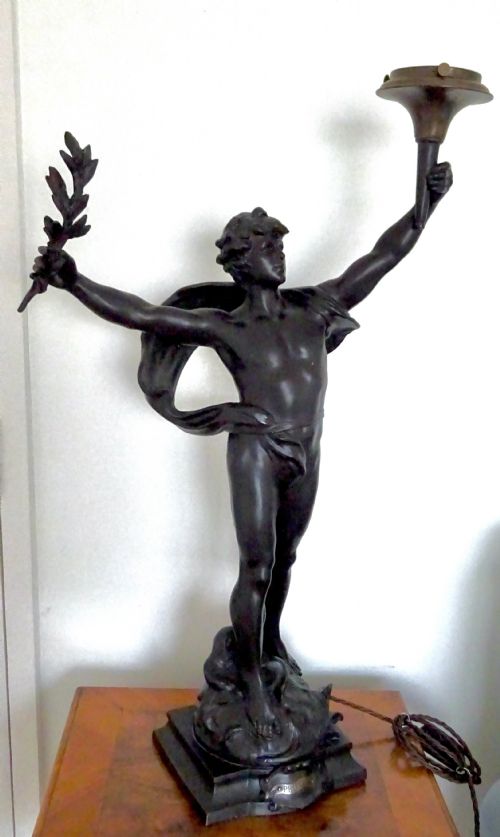
When you search for a spelter statue light, you are looking at figural sculptures cast in a zinc alloy and adapted to hold illumination, often taking the form of table lamps, night lights or sculptural candlesticks.
The versions you meet most frequently on this page span the late nineteenth century through to the art deco period of the nineteen thirties, capturing figures ranging from classical soldiers and musketeers to Pierrot characters and decorative ladies.
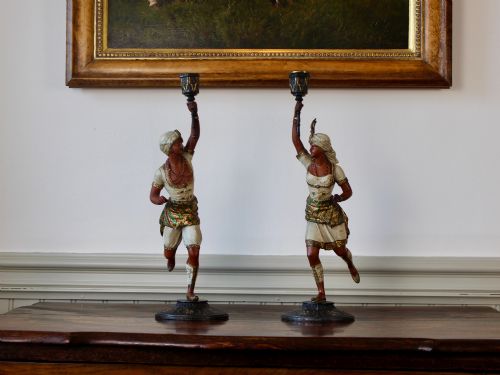
Many of these pieces integrate stone bases or torchere shades, presenting human forms either as standalone sculptural lamps or as matched pairs designed for a mantelpiece.
How they were made
Makers cast these figural pieces in spelter, a zinc-based alloy that permitted sharp detail in sculptural casting, before applying finishes such as cold painting, patination or gilding to simulate bronze.
Electrical fittings, brass components and glass or fabric shades were subsequently added to transform the figures into functional lamps, frequently mounted upon heavy marble bases for stability.
Spelter Statue Light Retail Price Guide 2026
Typical asking prices for spelter statue light among the pieces listed under this phrase on Sellingantiques today, from the lower quarter to the upper quarter. They describe what is for sale here now, not the wider market.
Listings span from the Victorian period through the Edwardian era and into the nineteen thirties, recording materials such as spelter, marble, brass, and glass.
What varies in quality
Quality in these pieces rests upon the crispness of the casting and the sensitivity of the hand-applied finish, whether that is a careful cold-painted surface or a rich patinated finish.
The integration of the figural sculpture with its lighting elements and the choice of supporting materials, such as solid marble bases, mark out the finer examples from simpler production.
E Rousseau·P Sega·Moreau
The Spelter Statue Light Glossary
- Spelter
- A zinc-based metal alloy commonly used as a cost-effective alternative to bronze for nineteenth and twentieth-century figures. It accepts patination and cold painting readily.
- Cold painted
- A technique where pigment is applied to metal without heat firing after casting. This surface decoration is delicate and prone to rubbing over time.
- Torchere
- A standing or figural light standard holding a lamp or shade aloft. In these pieces, the figure often supports the light source directly.
- Patinated metal
- Metal treated with chemicals or heat to produce a darkened or aged surface colour. This finish protects the underlying alloy and gives an antique appearance.
Spelter Statue Light: Frequently Asked Questions
What is a spelter statue light?
A spelter statue light is a figural lamp or lit sculpture cast from a zinc alloy. These pieces combine decorative human or allegorical forms with functional illumination.
They appear across various periods from the Victorian era into the art deco years, serving as table lamps or sculptural mantel pieces.
How do I identify art deco lamps?
Art deco lamps from the nineteen thirties feature streamlined silhouettes, stylised geometric clothing or hair on the figures, and modern material pairings. They lean away from ornate Victorian or Renaissance revival detailing.
Look for simplified clothing folds and dynamic poses that reflect the design ethos of the interwar period.
What are marble bases used for?
Marble bases provide necessary weight and stability beneath relatively heavy metal figures. They also elevate the sculpture and offer a clean, classical contrast to patinated or cold-painted metal.
Many nineteenth-century and early twentieth-century sculptural lamps utilise fitted stone plinths for this structural and aesthetic balance.
How were cold painted finishes applied?
Cold painting involved brushing or dabbing oil-based or tempera paints directly onto the finished metal casting without a high-temperature kiln firing. This method allowed for nuanced multi-coloured clothing and skin tones.
Because the paint sits on the surface rather than fusing with the metal, surviving examples often display charming traces of wear from handling.