





Solid Wood Sideboard
A solid wood sideboard anchors a dining room with substance, bringing timber grain, brass hardware and enduring utility to the interior.
Solid Wood Sideboard
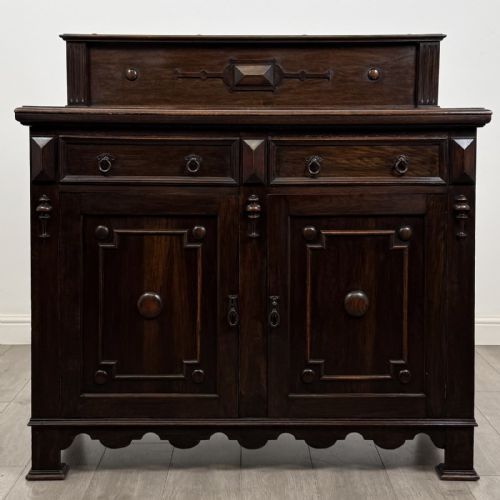
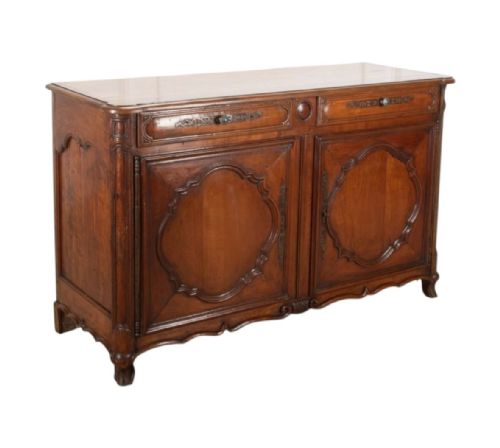
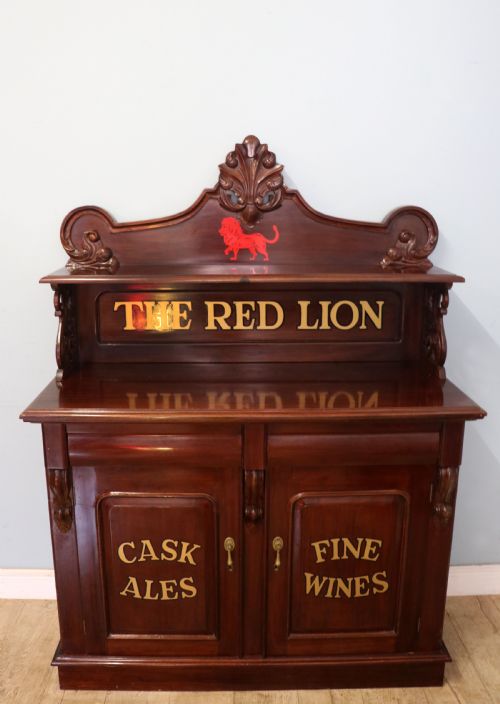
A solid wood sideboard brings substantial timber storage and serving space into a dining room or hallway, shaped by centuries of cabinetmaking tradition. Buyers seeking a solid wood sideboard encounter forms ranging from 18th century French cherry wood buffets to robust Victorian mahogany chiffoniers and early 20th century Jacobean revival pieces.
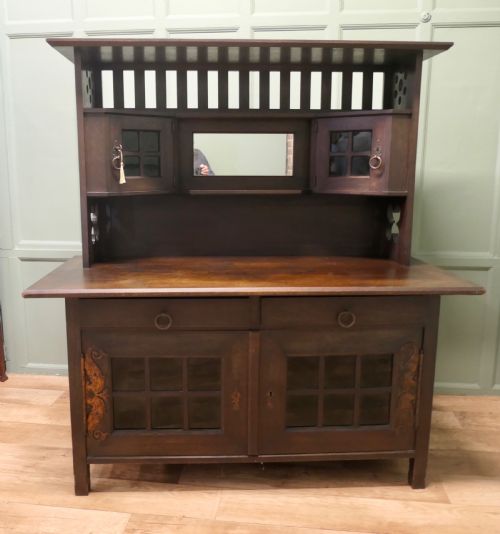
The selection on this page relies heavily on sturdy oak examples, often reflecting Arts and Crafts design principles or traditional Welsh vernacular craftsmanship with open plate racks. These pieces combine deep drawers and panelled cupboards, offering practical storage alongside distinct regional character.
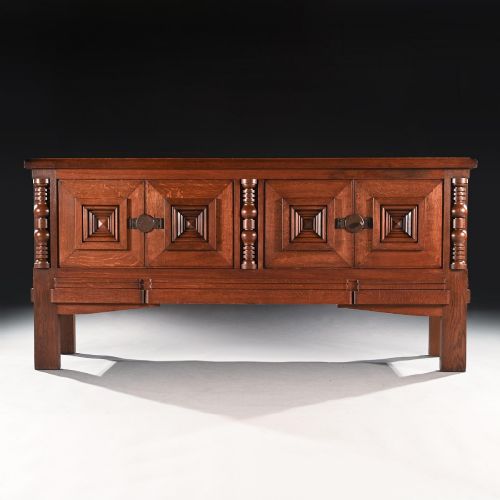
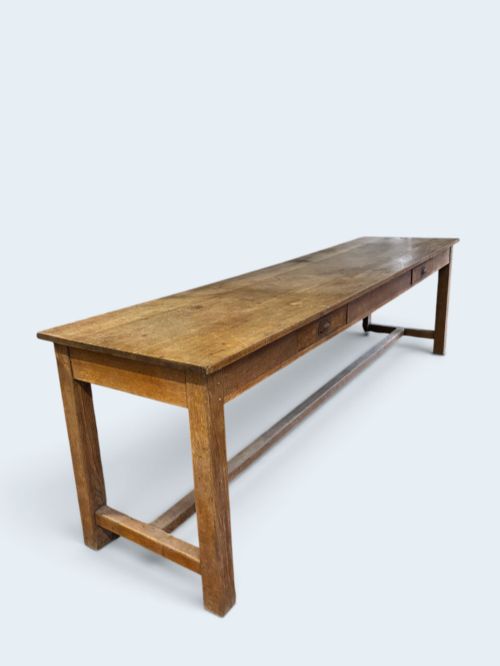
Originating from British, French and American workshops, these furniture items span several distinct historical eras including the Victorian period and the early decades of the 20th century. Buyers will find variations from rustic farmhouse serving tables to refined French Art Deco models in solid oak.
Materials and construction
Cabinetmakers constructed these sideboards using heavy timbers such as oak, mahogany, cherry wood and maple, selected for their structural integrity and natural grain patterns. Structural strength relies on traditional joinery methods, ensuring the carcase and heavy top boards remain stable over generations of daily use.
Makers integrated functional hardware such as brass handles and iron metalwork to secure doors and drawers, while decorative details relied on hand carving rather than applied veneers. Elements like carved green man motifs or geometric Jacobean panelling demonstrate the direct manipulation of the solid timber base.
Solid Wood Sideboard Retail Price Guide 2026
Typical asking prices for solid wood sideboard among the pieces listed under this phrase on Sellingantiques today, from the lower quarter to the upper quarter. They describe what is for sale here now, not the wider market.
Watch out for mischievous carved green man faces peering out from the foliage on late Victorian oak panels.
Judging the build
Quality in these timber cabinets rests upon the selection of the primary wood and the integrity of the structural joinery. Heavier timber gauges, clean drawer construction and well-hung panel doors distinguish finer workshops from more utilitarian regional pieces.
The sophistication of the hand carving and the quality of the original brass or iron hardware elevate certain examples above standard production. The preservation of the natural timber surface without excessive modern alterations defines the most desirable pieces.
Leonard Wyburd·Liberty & Co·Charles Dudouyt
The Solid Wood Sideboard Glossary
- Chiffonier
- A low sideboard or cabinet featuring a combination of drawers and enclosed shelving, popular during the Victorian era. These pieces often include a raised back tier or small superstructure for display.
- Buffet
- A dining room piece designed for serving food and storing tableware, typically lower and broader than a traditional dresser. French and English examples from the eighteenth and nineteenth centuries utilise heavy timber construction.
- Welsh Dresser
- A traditional kitchen or dining furniture form featuring a lower sideboard base combined with an upper open plate rack. These items serve both storage and display functions.
- Arts and Crafts
- A design movement spanning the late nineteenth and early twentieth centuries that emphasised honest construction, visible timber grain and handcrafted hardware. Makers associated with this style rejected industrial mass production.
- Jacobean Revival
- An architectural and furniture style drawing upon seventeenth-century English design characteristics, featuring geometric mouldings, heavy turned legs and dark oak finishes. Pieces from the early twentieth century frequently adopt these motifs.
Solid Wood Sideboard: Frequently Asked Questions
How do I care for a solid wood sideboard?
Maintain the timber surface by applying natural beeswax periodically and avoiding placement near direct heat sources or strong sunlight. Keep the environment stable to prevent the solid wood from drying out or splitting.
Clean surfaces with a dry or slightly damp soft cloth, steering clear of harsh chemical polishes that can degrade the traditional finish over time.
Can I use a sideboard in a hallway?
These timber cabinets function effectively in entrance halls, providing a surface for keys and post alongside deep drawer storage for household items. Their narrow profiles allow them to sit flush against walls without obstructing thoroughfares.
Consider the depth of the specific model and the clearance of nearby doors when positioning a sideboard in a hallway space.
What is the difference between a sideboard and a dresser?
A sideboard consists solely of a low cabinet base with drawers and cupboards, designed primarily for serving and storing dining accessories. A dresser typically incorporates an upper section with shelves or an open plate rack.
Choosing between the two depends on whether you require open display space for ceramics or a clean surface top for serving food.