



Solid Walnut Furniture
Solid walnut furniture brings dense timber, deep grain and historic joinery into everyday rooms.
Solid Walnut Furniture
Solid walnut furniture encompasses tables, desks, bookcases and seating produced across several centuries, from the early seventeenth century through the Edwardian period and the Arts and Crafts movement. These items rely on heavy timber rather than simple veneered carcases, showing rich grain patterns and substantial weight.
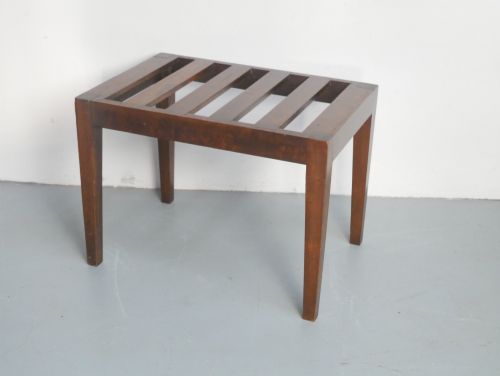
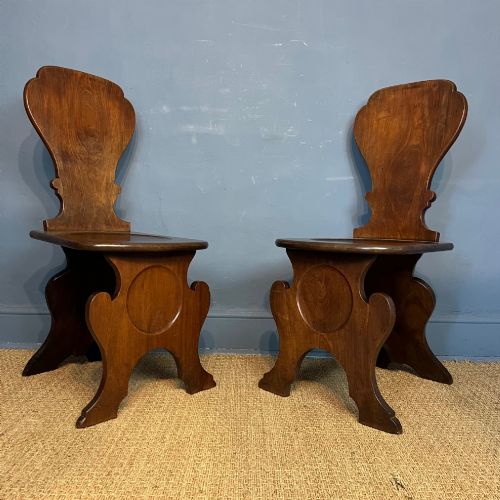
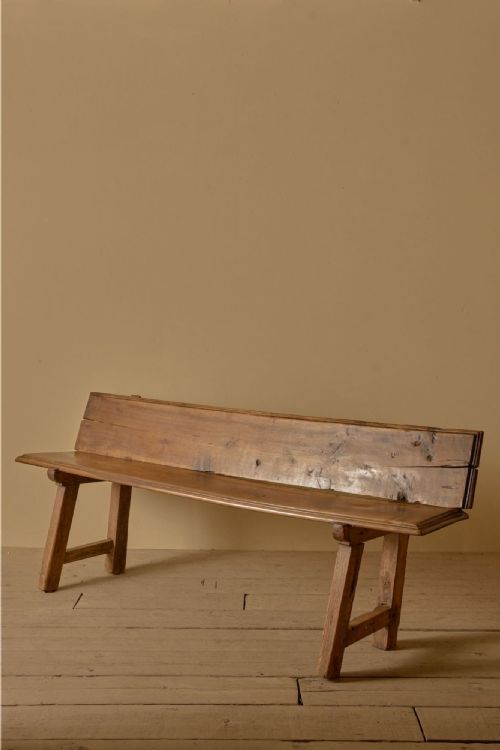
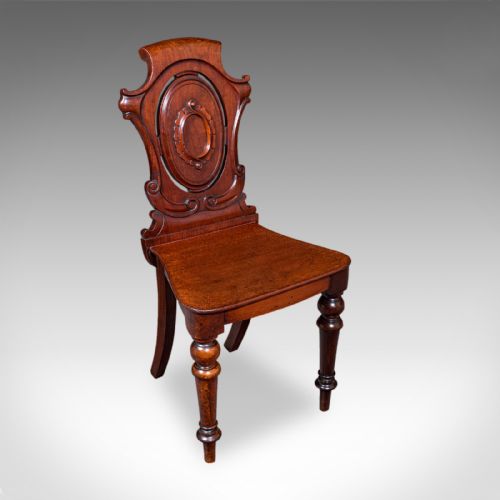
The pieces listed on this page run from 18th century drop leaf dining tables and lowboys to Victorian writing desks, Edwardian open bookcases and Spanish hall benches. Buyers encounter diverse regional forms, including Scottish hall chairs, Irish desks and Spanish tables.
Earlier examples display rich patination built through centuries of use, while later Victorian and Edwardian iterations utilise golden walnut or incorporate brass hardware and leather inserts. Each form reflects the domestic requirements of its specific period, from formal dining to country house storage.
Quality and Character
Quality in these pieces rests on the depth of the timber grain, the honesty of the construction and the preservation of original surface patination. Items that retain their early finish, colour and original hardware hold greater presence than those with heavy alterations.
Proportion and regional character also dictate distinction, seen in the balance of a George I desk or the clean lines of an Arts and Crafts bookcase. The relationship between the solid walnut stock and its structural joinery determines how well the piece survives centuries of daily use.
Solid Walnut Furniture Retail Price Guide 2026
Typical asking prices for solid walnut furniture among the pieces listed under this phrase on Sellingantiques today, from the lower quarter to the upper quarter. They describe what is for sale here now, not the wider market.
Listings feature solid walnut furniture spanning the 17th century, 18th century, Victorian, Edwardian and Arts and Crafts periods, incorporating brass and leather.
Maple & Co·Howard & Son's
The Solid Walnut Furniture Glossary
- Patina
- The surface sheen and colour acquired by wood over decades or centuries of handling, exposure and polishing. This quality indicates age and authenticity.
- Lowboy
- A small side table or dressing table featuring a low set of drawers, popular during the early Georgian period. These tables often stand on cabriole legs.
- Drop leaf dining table
- A table with a fixed central section and hinged flaps that drop down at the sides. It allows the footprint to expand when dining.
- Bureau
- A sloping desk with a hinged flap that opens to reveal internal pigeonholes and small drawers. It often sits above a chest of drawers.
- Pedestal desk
- A heavy writing desk supported by two distinct banks of drawers or columns. Walnut versions often incorporate leather tops and brass pulls.
Solid Walnut Furniture: Frequently Asked Questions
How do I care for solid walnut furniture?
Keep wooden surfaces away from direct heat sources and strong sunlight to prevent the timber from drying out or fading unevenly. Apply a traditional beeswax polish occasionally to nourish the grain and maintain the natural lustre.
Avoid using silicone-based sprays or harsh chemical cleaners, which can damage historic finishes. Gentle dusting with a soft cloth preserves the existing patina.
How can I tell the period of a walnut desk?
Examine the construction methods, drawer linings and hardware to establish the likely era of manufacture. Early pieces feature hand-cut dovetails and timber stock milled with older tools.
Stylistic cues such as bracket feet, handles and wood tones also point towards specific decades like the Georgian or Victorian periods. Compare the overall proportions with documented examples from the same century.
Did walnut replace oak in English furniture?
Walnut gained popularity among cabinet makers in the late seventeenth century because it accepted finer carving and offered richer grain patterns than native oak. Workshops utilised the timber extensively for high-status tables, chairs and desks.
While oak remained common for structural framing and country pieces, walnut became the preferred choice for fashionable urban furniture until mahogany superseded it later in the eighteenth century.
Are these tables suitable for daily dining?
Many historic walnut tables offer robust construction and ample surface area for regular family use. Solid timber builds provide the stability needed for everyday dining rooms.
Protect the historic finish from moisture and heat by using coasters and placemats during meals. Regular maintenance ensures the antique wood withstands modern domestic routines.