


Solid Silver Card Holder
A solid silver card holder is a pocket piece or table accessory from the Victorian, Edwardian and mid-century eras, prized for intricate metalwork and social utility.
Solid Silver Card Holder
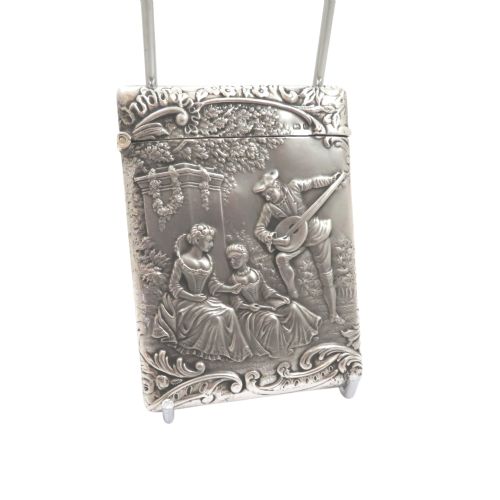
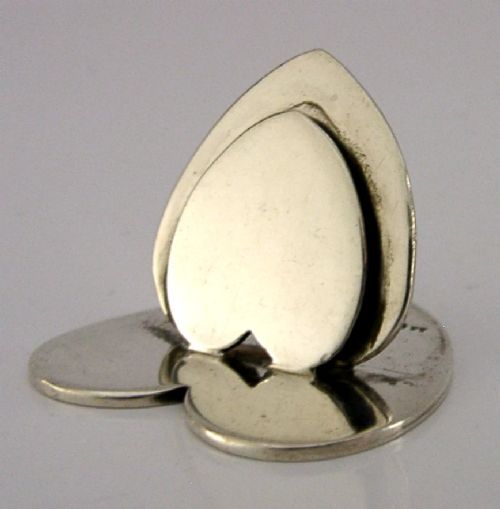
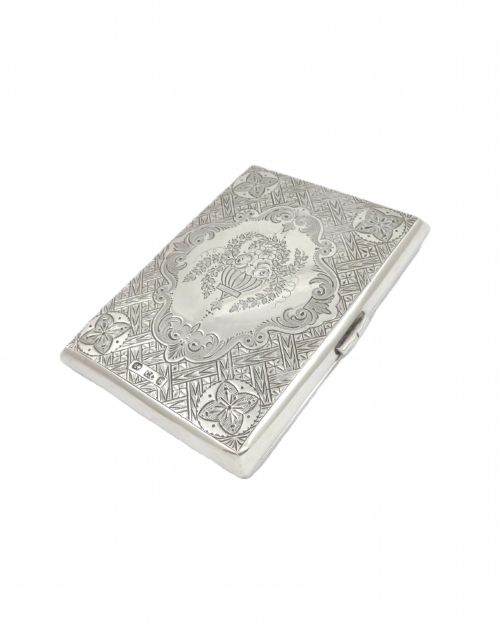
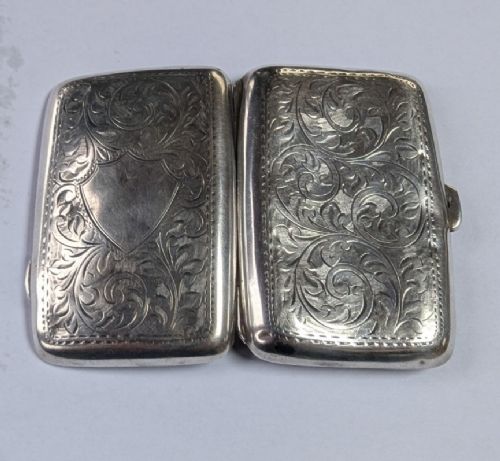
A solid silver card holder encompasses pocket card cases, aide-memoires, and table menu or place card holders. The most frequent examples found here date from the Victorian and Edwardian periods, alongside later twentieth-century pieces.
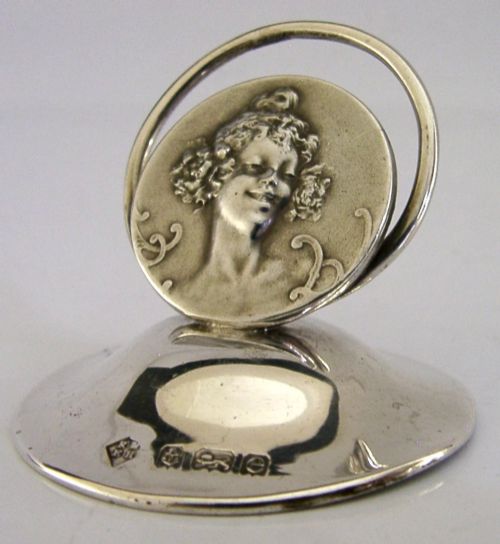
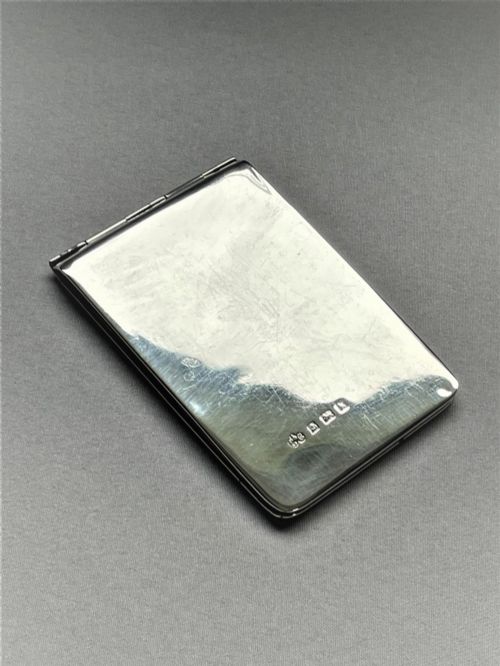
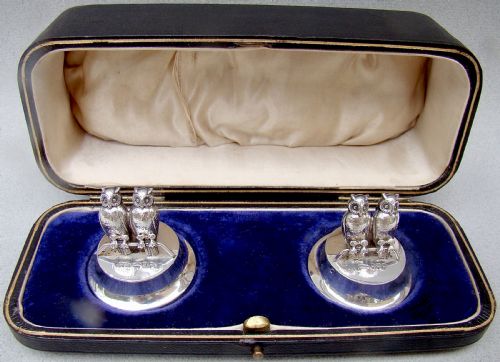
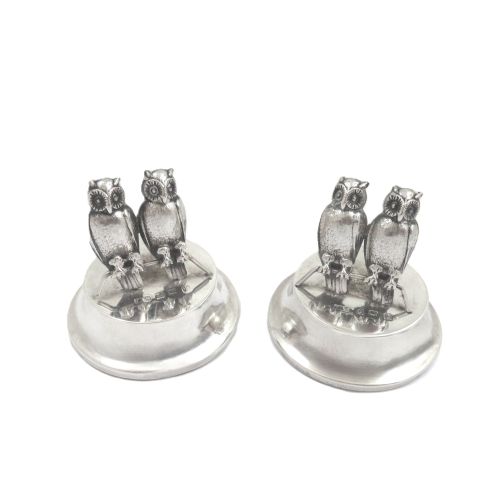
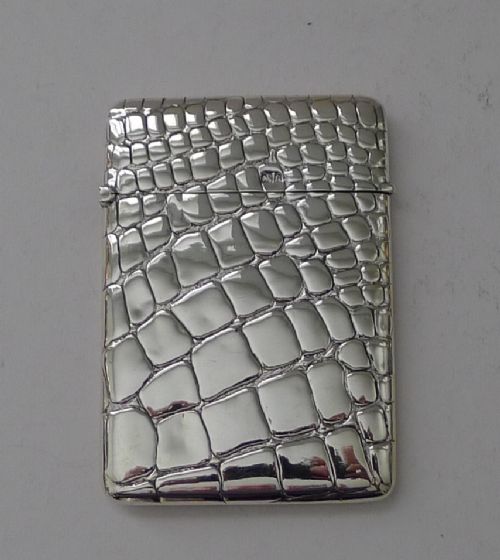
Pocket versions range from plain rectangular cases to spring-clip folding designs and crocodile skin patterned metal. Table variants often take novelty forms, including owls, grouse, and love hearts.
Origins span English provincial workshops, London makers, and continental European makers, reflecting formal dining and calling rituals.
Materials and Techniques
Makers utilised sterling silver and fine metal alloys, frequently combining the primary silver body with interior linings of leather, velvet, or silk. Gold mounts and enamel details appear on select pieces.
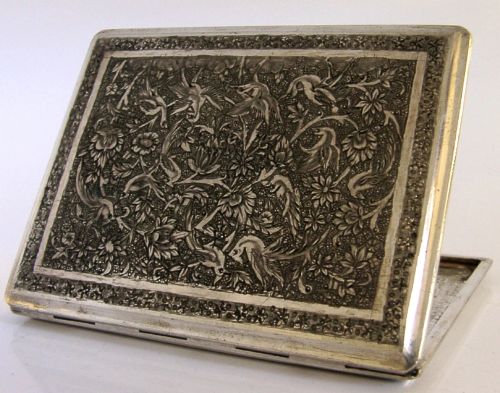
Surface decoration relies on engine-turning, repoussé work, and crisp hallmarking, while structural execution involves specialised hinges, spring clips, and rising card trays.
Some Edwardian silver owls stare back from dinner tables holding menus in their beaks.
Craftsmanship and Distinction
Quality rests in the crispness of the chasing, the precision of engine-turned patterns, and the integrity of hinges and spring mechanisms. Pieces by known makers carry superior weight and defined detail.
Novelty menu holders and cases with integrated compartments, such as stamp holders or aide-memoires, demonstrate greater artisanal ambition than standard smooth boxes.
Levi and Salaman·Sampson Mordan·Cartier·George Unite·Edward Edwards
The Solid Silver Card Holder Glossary
- Sterling silver
- A silver alloy containing 92.5 percent pure silver by mass, forming the standard material for British cases.
- Aide-memoire
- A pocket notebook or case incorporating ivory writing tablets and a pencil for recording social engagements.
- Engine-turned
- A decorative technique involving precise geometric patterns mechanically engraved into the metal surface.
- Repoussé
- A metalworking method where the silver is hammered into relief from the reverse side.
- Hallmark
- An official stamp indicating purity, place of origin, and year of assay.
Solid Silver Card Holder: Frequently Asked Questions
How were card holders used?
Pocket versions carried personal calling cards for formal social visits, while table versions held place cards or dinner menus for guests.
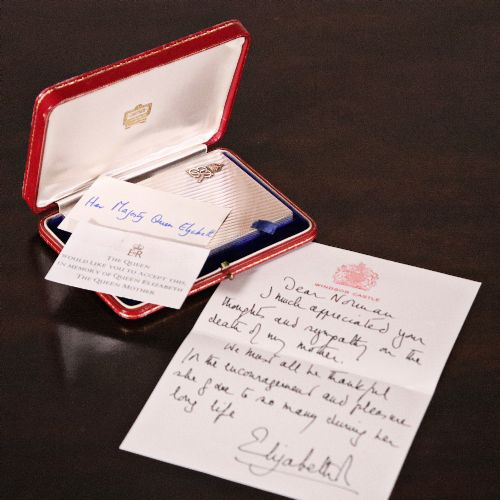
Some pieces doubled as compacts or stamp cases, incorporating interior velvet, silk, or leather linings to protect paper goods.
How do I date an antique silver case?
Dating relies heavily on hallmarks stamped into the silver, which indicate the assay office and the year of production.
Stylistic markers, such as Art Nouveau curves or Art Deco geometric lines, also point toward specific decades like the Edwardian period or the 1930s.
How do I care for antique silver?
Silver requires gentle cleaning with a soft cloth to maintain the metal finish without wearing down engraved details or chased patterns.
Store pieces away from high moisture environments, especially those containing original leather, velvet, or silk linings.