


Solid Oak Dining Seating
Solid oak dining seating brings substantial English country character and enduring structural weight straight to the domestic interior.
Solid Oak Dining Seating
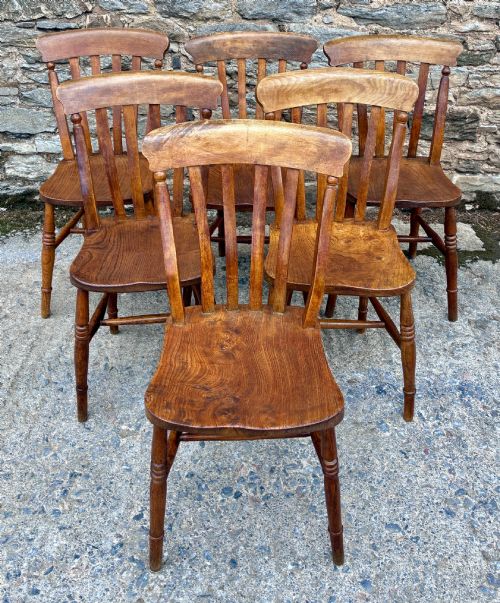
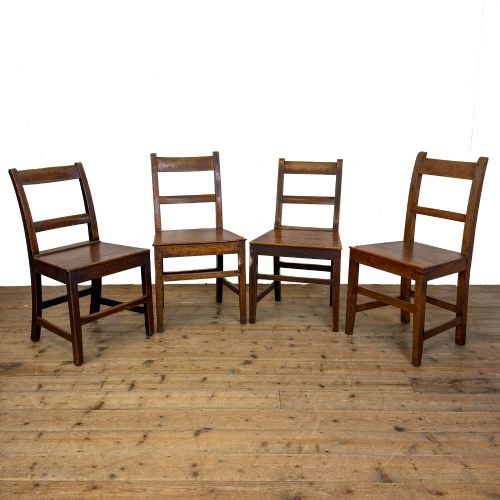
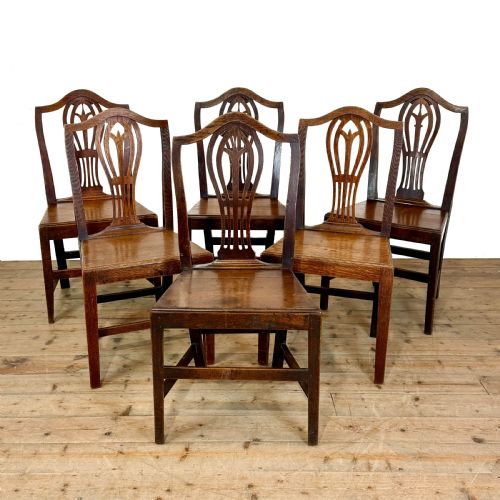
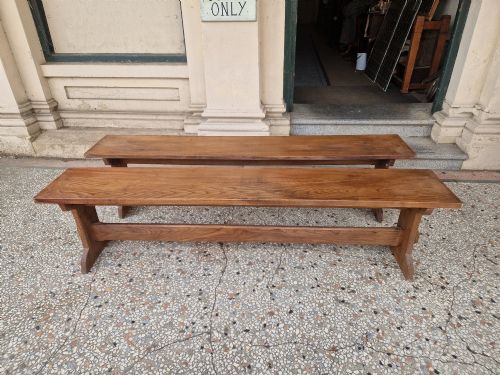
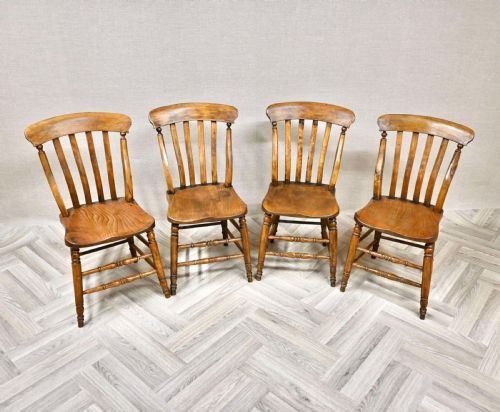
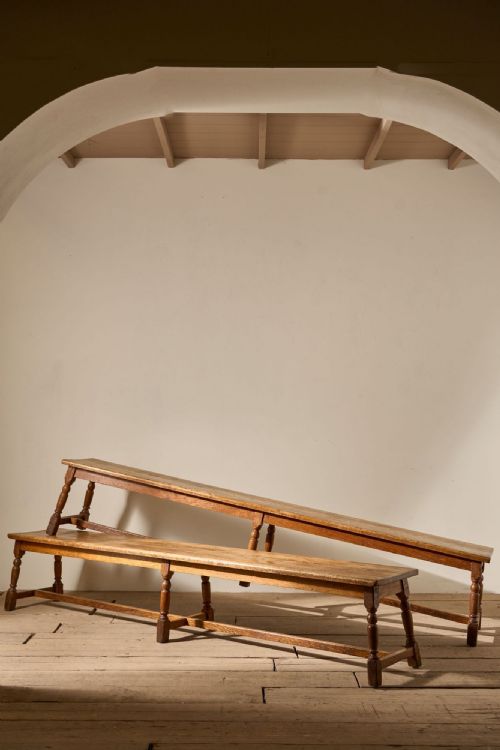
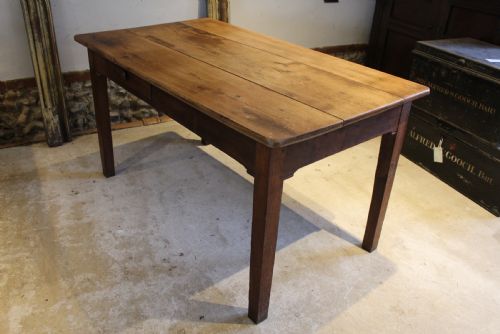
Solid oak dining seating encompasses heavy refectory tables, Windsor chairs, and long benches produced across the nineteenth and early twentieth centuries. Pieces range from matched sets of four or six chairs to large tavern refectory tables designed to seat up to twelve people.
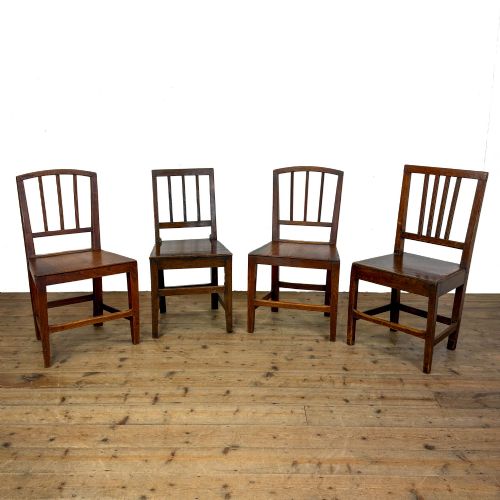
The material palette is predominantly oak, often paired with elm, beech, or ash for seats and spindles, alongside occasional leather, velvet, and brass upholstery details. Regional variations include Welsh oak trestle benches and Shropshire farmhouse chairs dating back to the eighteenth century.
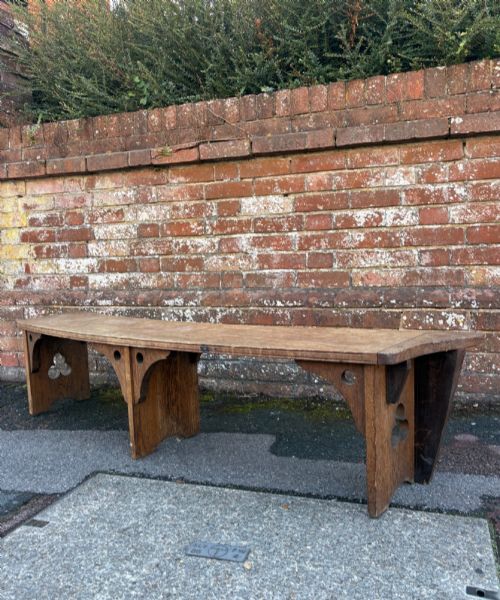
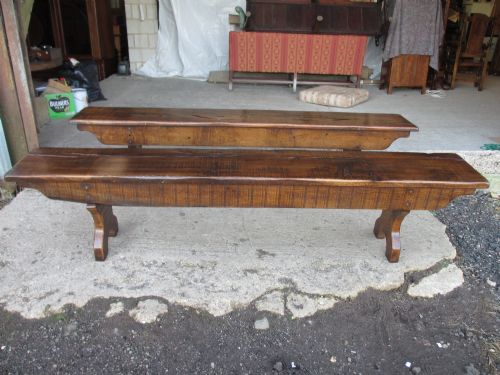
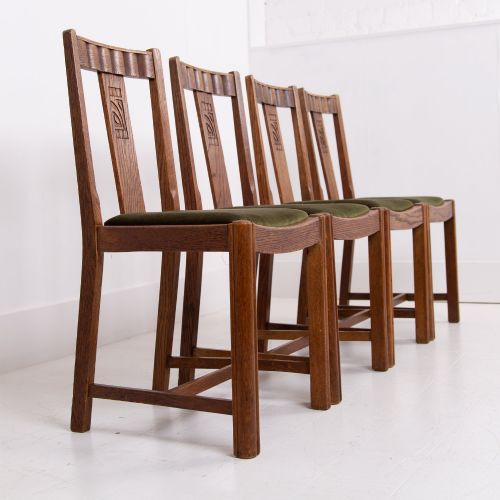
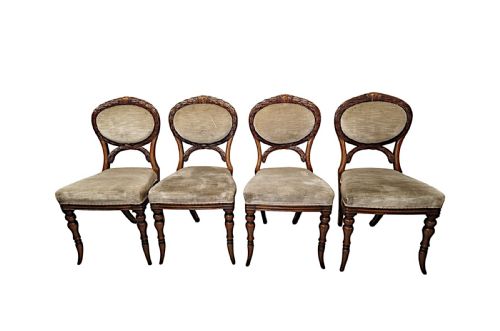
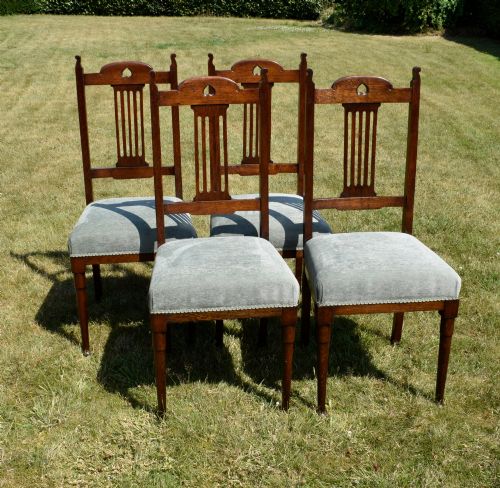
Buyers will encounter formal Victorian Gothic revival hall chairs alongside rustic farmhouse benches and Arts and Crafts styles with trefoil carved supports. Many offerings feature heavy shaped trestle ends and dropleaf configurations suited to practical dining spaces.
Materials and construction
Joinery relies heavily on traditional pegged mortise and tenon joints to withstand the rigorous daily use demanded of refectory tables and kitchen chairs. Native hardwoods like oak, elm, and ash provide the dense structural core necessary for heavy timber furniture.
Turned components, steam-bent spindles, and carved backs reflect regional vernacular techniques from English, Welsh, and Irish workshops. Surface finishes are typically kept to simple wax or oil applications that highlight the natural grain and figuring of the timber.
Listings feature solid oak dining seating spanning the eighteenth, nineteenth, and early twentieth centuries, including Victorian, Edwardian, and Arts and Crafts periods.
Factors of quality
The integrity of the timber joints and the weight of the solid timber dictate the longevity and structural stability of each piece. Tables and benches with thick top planks and substantial trestle bases command higher regard than lighter constructions.
Cohesion within matched or harlequin sets depends on uniform timber patination and matching proportions across all chairs. Finer examples display crisp hand-carving, such as Gothic trefoil details, rather than flat mechanical finishing.
Strahan
The Solid Oak Dining Seating Glossary
- Refectory table
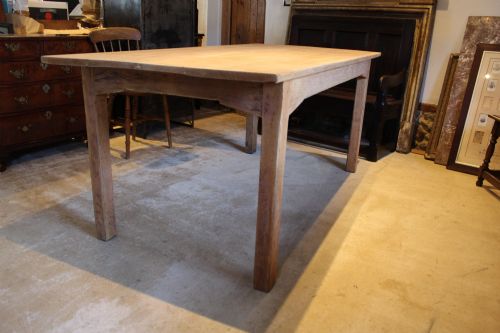
- A long, narrow dining table traditionally used in monasteries and large halls, characterised by heavy legs connected by a low stretcher. These pieces often feature thick oak planks designed to seat six to twelve people.
- Harlequin set
- A collection of dining chairs that are similar in style, period, or material but were not originally produced as a single group. Dealers assemble these sets to match similar heights and patinations.
- Windsor chair
- A chair built with a solid wooden seat into which the legs and back spindles are bored directly. They frequently incorporate elm seats paired with ash or beech bends.
- Lathe back
- A chair back featuring turned vertical wooden spindles or slats shaped on a lathe. This style appears frequently on nineteenth-century country kitchen seating.
- Trestle
- A structural support consisting of a horizontal beam fixed to two splayed vertical feet. This format allows for unhindered legroom beneath long dining tables and benches.
Solid Oak Dining Seating: Frequently Asked Questions
How do I care for solid oak furniture?
Maintain timber surfaces by applying natural beeswax periodically to nourish the grain and protect against moisture rings.
Keep heavy pieces away from direct heat sources and radiators to prevent the solid oak boards from splitting.
What is a harlequin chair set?
A harlequin set is a group of dining chairs gathered from different origins that share a cohesive period, timber, or vernacular style.
Such collections allow buyers to seat larger numbers around a refectory table without requiring a factory-matched suite.
Are refectory tables suitable for modern kitchens?
Refectory tables provide generous surface area and sturdy construction well-suited to busy family dining spaces and daily use.
Their narrow proportions help them fit comfortably into long rooms while offering ample seating capacity.
How do I identify a Victorian oak piece?
Victorian pieces often display heavier proportions, darker finishes, and Revival styles such as Gothic or Jacobean influences.
Construction methods typically show machine assistance alongside traditional hand-finishing and jointing.