





Solid Brass Light
A solid brass light brings a warm, heavy weight and a bright metallic presence to a room.
Solid Brass Light
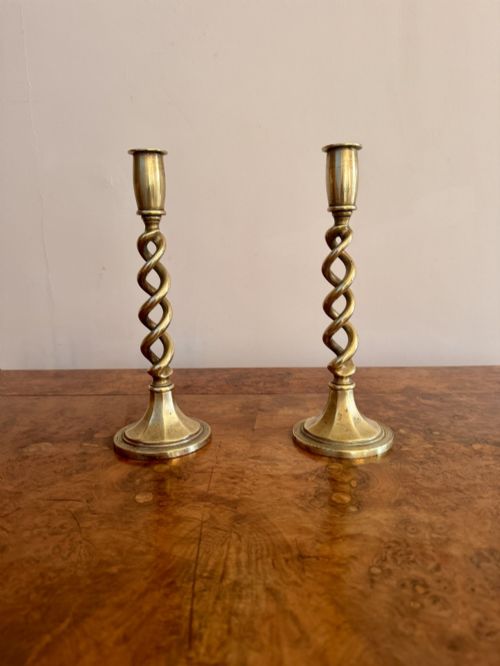
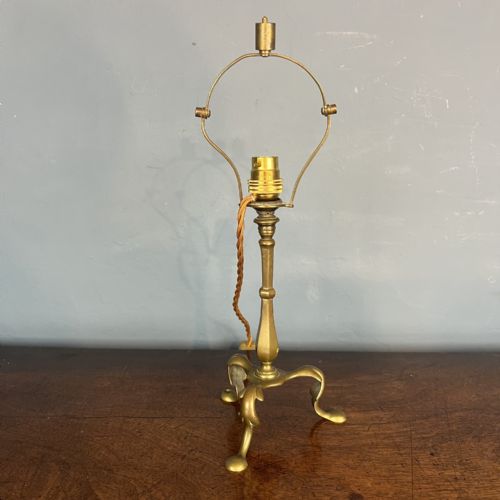
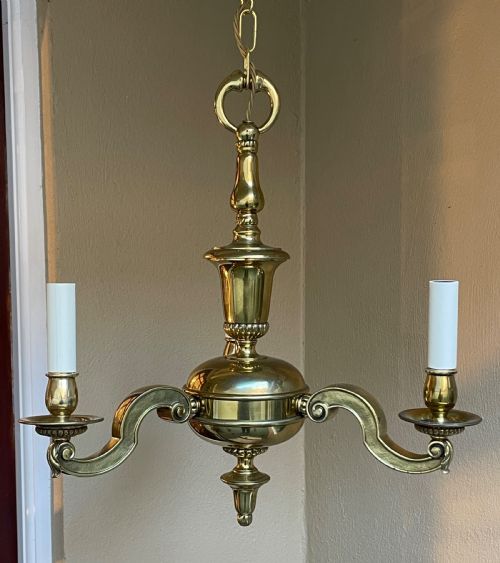
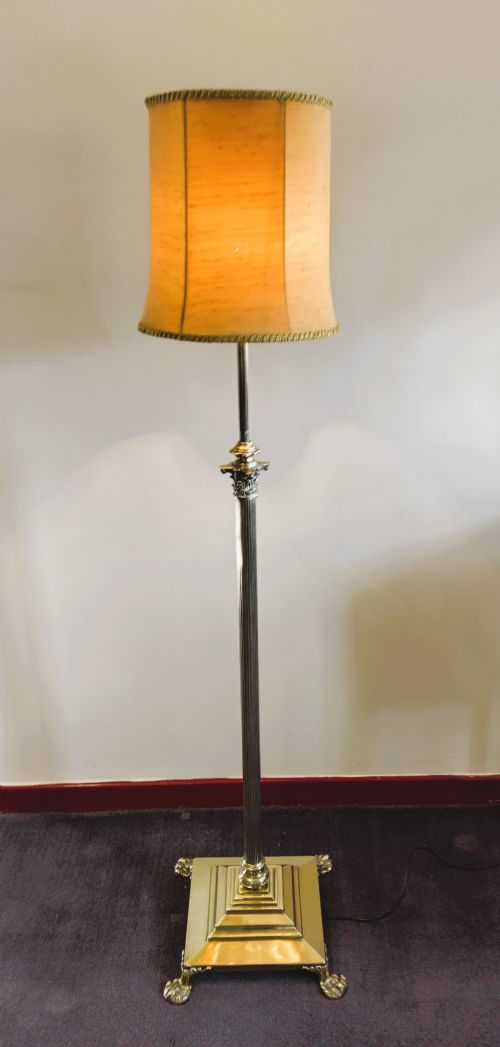
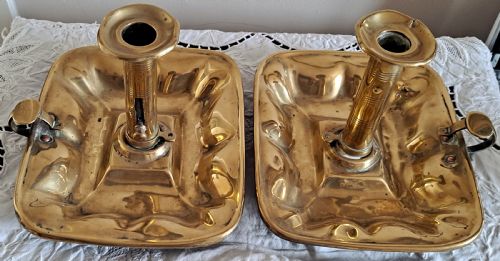
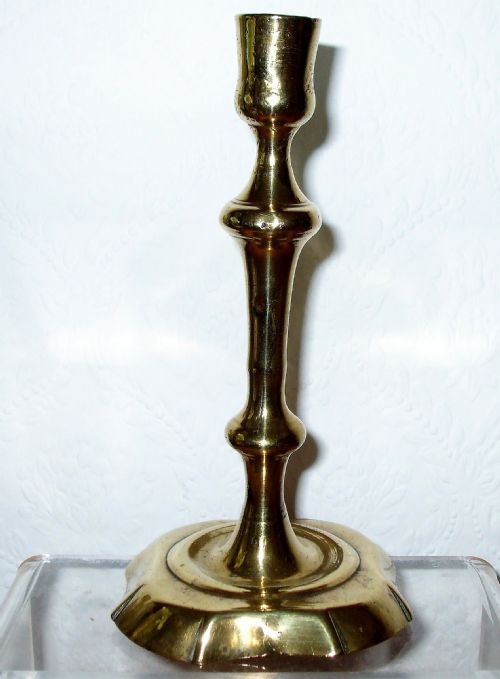
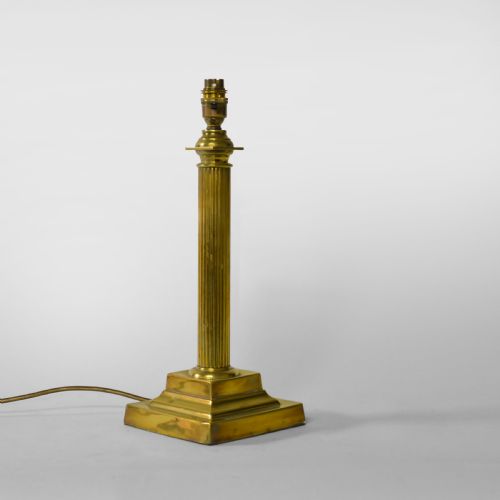
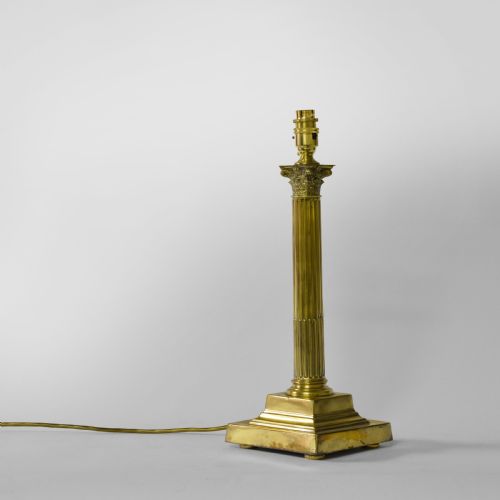
A solid brass light encompasses everything from Victorian column table lamps and Edwardian floor standards to multi-branched chandeliers and wall brackets spanning the nineteenth and early twentieth centuries. Buyers seeking a solid brass light will encounter sturdy desk lamps, chambersticks, and ceiling fixtures fashioned from robust metal rather than plated alternatives.
The selection ranges widely across stylistic influences, including Georgian symmetry, Arts and Crafts simplicity, Gothic detailing, and Neoclassical order. Many pieces combine the primary metal with oak, fabric shades, or glass elements, reflecting how domestic lighting evolved from simple candle holders to electrified fittings over successive decades.
Materials and construction methods
Items in this category rely primarily on solid brass, cast brass, and occasionally bell brass or solid bronze, shaped through casting, turning, and hammering. Heavier standard lamps and floor lights utilise substantial metal bases to provide structural stability for tall frames.
Makers integrated structural components of oak, fabric, and glass alongside the metalwork, particularly in transitional pieces that combined traditional candle forms with early electrical wiring or oil reservoirs. Surface finishes often show the natural tooling marks of the workshop rather than modern industrial uniformity.
Solid Brass Light Retail Price Guide 2026
Typical asking prices for solid brass light among the pieces listed under this phrase on Sellingantiques today, from the lower quarter to the upper quarter. They describe what is for sale here now, not the wider market.
Several heavy standard lamps include adjustable heights designed to help Victorian readers chase the fading evening light.
Factors determining quality
Quality rests in the substantial gauge of the metal and the precision of the casting work, where crisp column fluting and sharp architectural details distinguish superior items from simpler production runs. Heavier standards and thick-walled lamp bodies demonstrate a commitment to material substance over hollow economy.
Proportion and structural integrity separate standard utility items from finer examples, such as those featuring articulated joints, balanced branch spreads, or integrated design motifs from known aesthetic movements like Arts and Crafts.
Faraday & Sons·Whytock & Reid
The Solid Brass Light Glossary
- Cast brass
- Metal poured into a mould to create complex three-dimensional shapes and decorative ornaments. This method allows for intricate detailing on lamp columns and chandelier branches.
- Chamberstick
- A short candlestick fitted with a wide drip pan and a loop handle for carrying from room to room. These portable pieces were common in nineteenth-century hallways and bedrooms.
- Column lamp
- A lighting fixture styled to resemble a classical architectural pillar, often featuring Corinthian or ionic capitals. These designs draw directly on ancient Greek and Roman stone architecture.
- Articulated
- Fitted with joints or pivot points that allow the lamp arm or shade to be adjusted into different positions. This mechanical flexibility is typical of functional desk and reading lamps from the early twentieth century.
- Standard lamp
- A tall floor-standing lighting fixture designed to illuminate a larger area of a room. These heavy items often incorporate weighted bases to prevent tipping.
Solid Brass Light: Frequently Asked Questions
How do I date a brass lamp?
Dating relies on examining the construction marks, switch types, and stylistic cues such as Neoclassical columns or Arts and Crafts simplicity.
Heavier cast components and threaded joints often point toward Victorian or Edwardian manufacturing methods before modern mass production took over.
Were these lights originally electrified?
Many older pieces began as oil lamps or candle holders before being converted for electrical use during the twentieth century.
Fittings often show evidence of rewiring or adapter components where modern wiring was fed through older metal columns.
How should I clean solid brass?
Maintenance generally involves gentle dusting and occasional wiping with a soft cloth to preserve the natural patina developed over decades.
Harsh chemical polishes can strip away historical surface character, so minimal intervention is usually preferred for antique metalwork.