

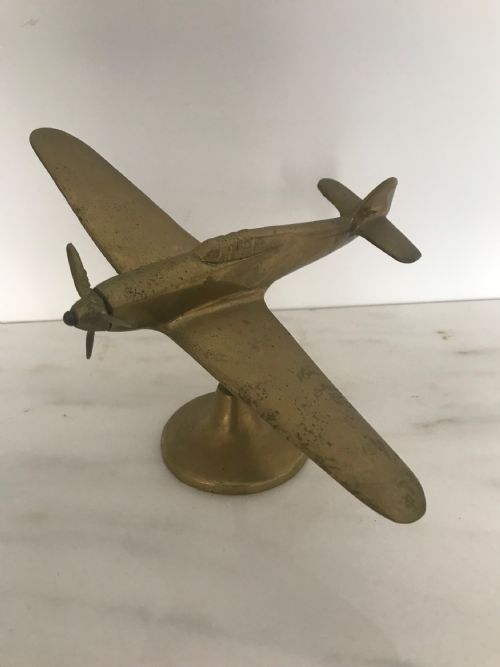


Solid Brass Accessory
A solid brass accessory brings heavy, lasting metalwork into a room, offering both practical utility and the rich tone of polished or aged brass.
Solid Brass Accessory
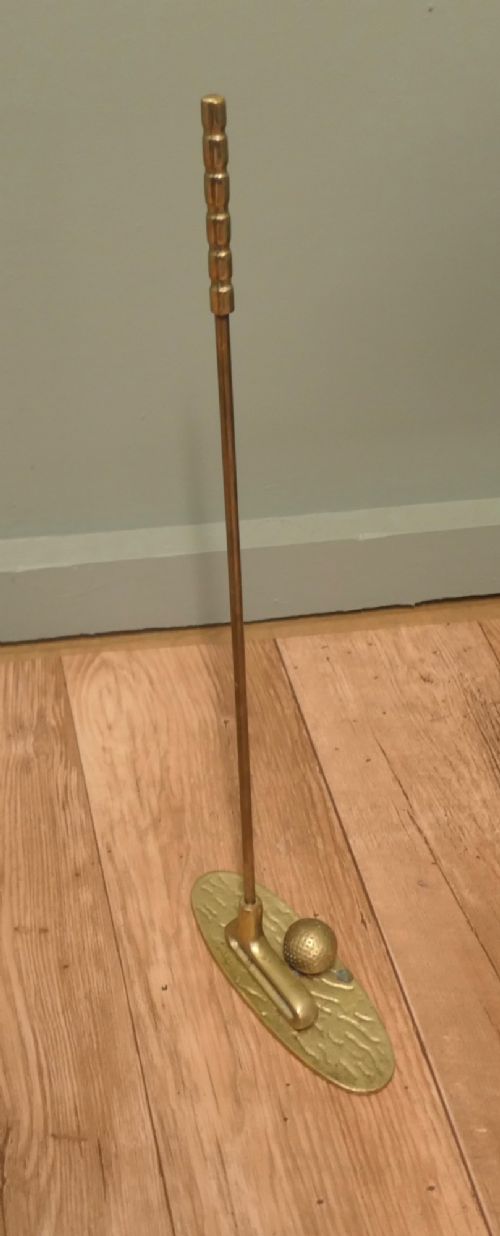
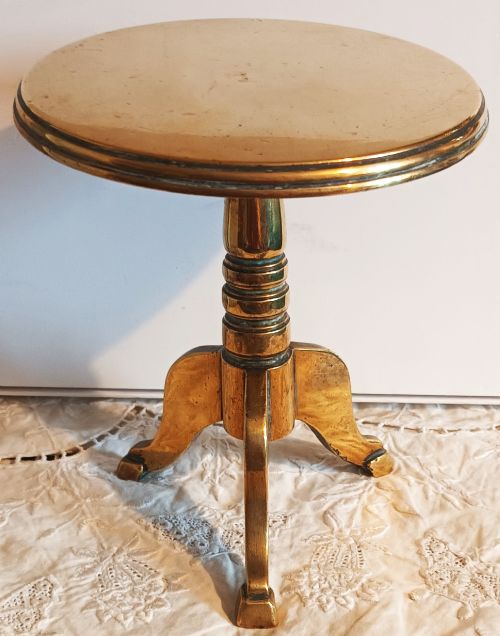
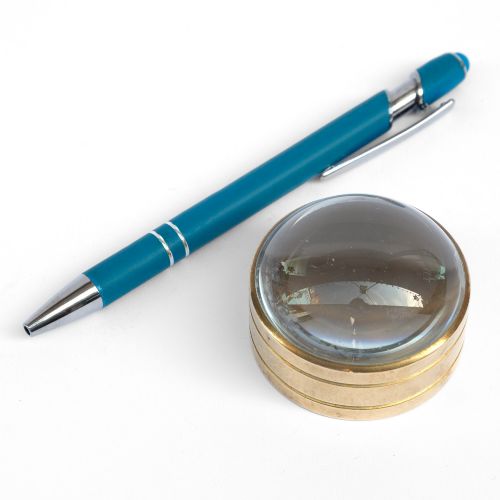
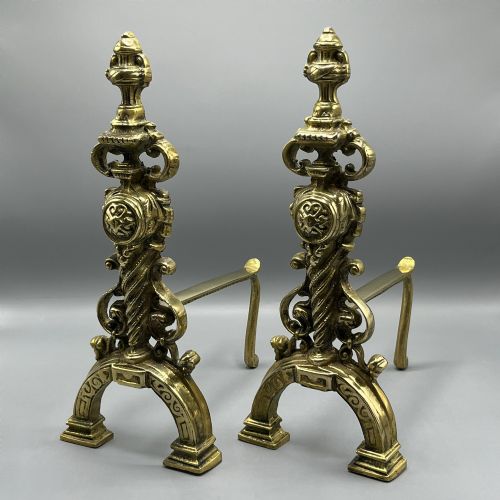
A solid brass accessory spans domestic hearth furniture, desk items and decorative objects found across nineteenth-century and early twentieth-century periods. When searching for a solid brass accessory, buyers encounter items ranging from hefty fire dogs and doorstops to smaller magnifying glasses, candlesticks and desk models.
The most common examples on this page are fireplace furnishings like fire irons and fire dogs, alongside desk models and optical tools. These pieces utilise solid brass or cast brass construction, sometimes paired with oak or glass elements.
Origins include Victorian and Edwardian periods, stretching back towards Regency and George III styles, as well as specific themed items like maritime bookends and wartime desk models.
Materials and methods of construction
The primary material across these pieces is solid brass and cast brass, often shaped into substantial forms capable of withstanding heavy domestic use. Metal components are frequently paired with cut glass for lenses or solid oak for bases, ink stands and postal scales.
Manufacturing methods rely heavily on fine casting to achieve ornate detailing on fire dogs, fenders and doorstops. Component parts are joined with brass mountings or integrated directly into timber bodies for desk accessories.
Solid Brass Accessory Retail Price Guide 2026
Typical asking prices for solid brass accessory among the pieces listed under this phrase on Sellingantiques today, from the lower quarter to the upper quarter. They describe what is for sale here now, not the wider market.
A heavy brass cannon sits ready for action on the desk, waiting to defend your letters from incoming paper aeroplanes.
Distinctions in quality and finish
Quality rests on the weight of the metal and the crispness of the casting work, separating standard items from finely cast pairs. Substantial gauge brass and intricate detailing on fireplace accessories indicate superior production standards.
The integrity of secondary materials also influences overall standard, such as clear, heavy cut glass in magnifying lenses or well-joined solid oak in ink stands and scales.
The Solid Brass Accessory Glossary
- Cast brass
- Metal poured into a mould to create complex decorative shapes and solid structures. This technique allows for ornate surface patterns on items like fire dogs and doorstops.
- Fire dogs
- Heavy metal supports used in pairs to hold logs within a hearth. They often feature decorative fronts that remain visible when the fireplace is not in use.
- Fender
- A low metal guard placed around the hearth to contain ash and embers. Regency and Victorian examples sit directly on the floor in front of the fireplace opening.
- Desk model
- A small sculptural representation or functional instrument kept on a writing surface. Examples include wartime aircraft and decorative cannons from the early twentieth century.
- Fire irons
- A matched set of domestic hearth tools typically comprising a poker, tongs and a shovel. These items are frequently grouped together in matching brass stands or sets.
Solid Brass Accessory: Frequently Asked Questions
What is a solid brass accessory?
A solid brass accessory is a functional or decorative item made primarily from heavy copper and zinc alloy. These pieces include hearth equipment, desk items and optical instruments.
They serve both practical roles around the home and decorative purposes through their metallic finish and period styling.
How do I clean brass accessories?
Cleaning depends on whether you prefer a bright polished finish or a dark aged patina. Gentle dusting and mild soapy water remove surface dirt without harming the metal.
Harsh chemical abrasives can strip historical patination, so careful maintenance preserves the character of older pieces.
How can I date my brass piece?
Dating relies on stylistic clues, manufacturing techniques and accompanying materials like cut glass or oak. Victorian and Edwardian items often display specific decorative motifs.
Comparing construction methods with documented period examples helps narrow down the decade of production.
Were these items used daily?
Many solid brass items were built for rigorous daily tasks around the home or office. Fire irons, doorstops and postal scales saw constant practical use.
Other items like desk models and decorative cannons fulfilled a purely ornamental role on writing desks and mantelpieces.