



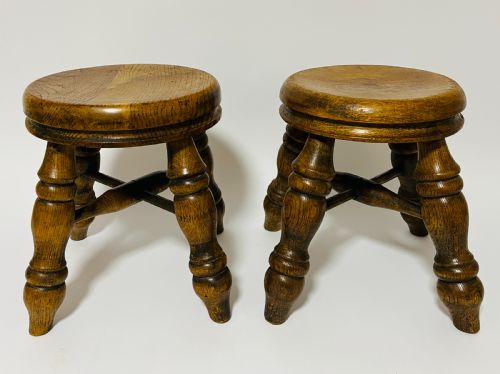


Small Wooden Side Stool
A small wooden side stool brings versatile, compact utility to any room, offering both a handy surface and extra seating.
Small Wooden Side Stool
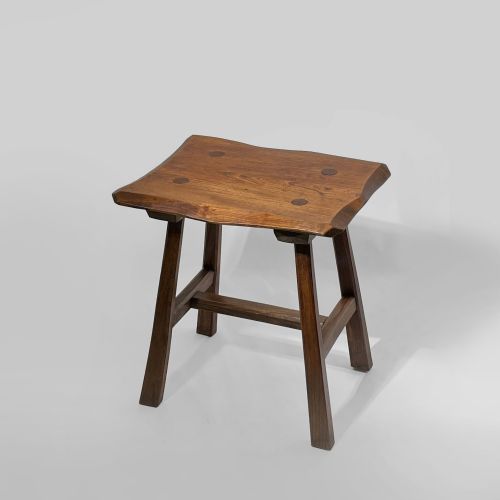
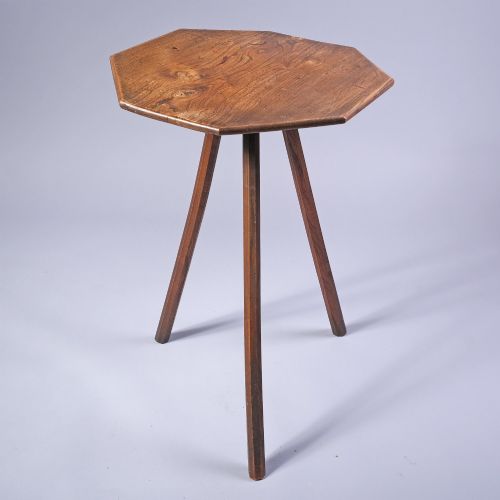
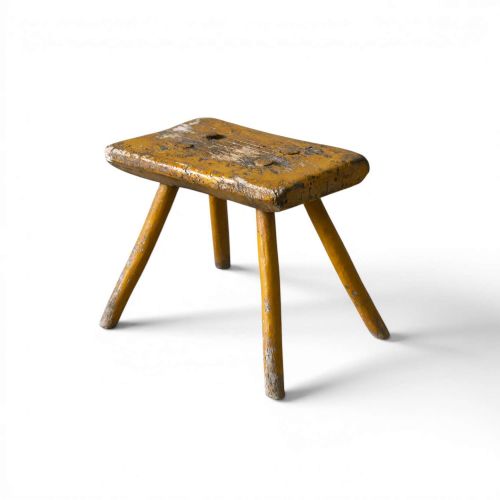
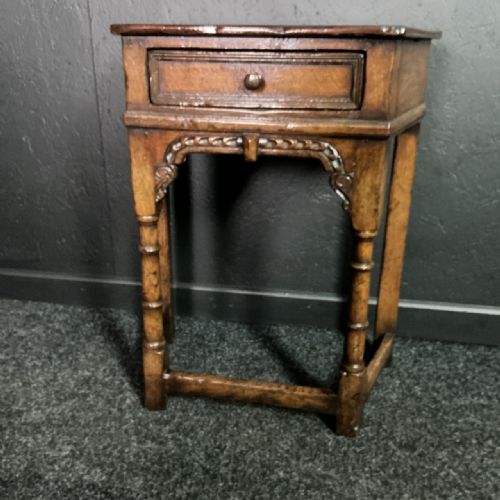
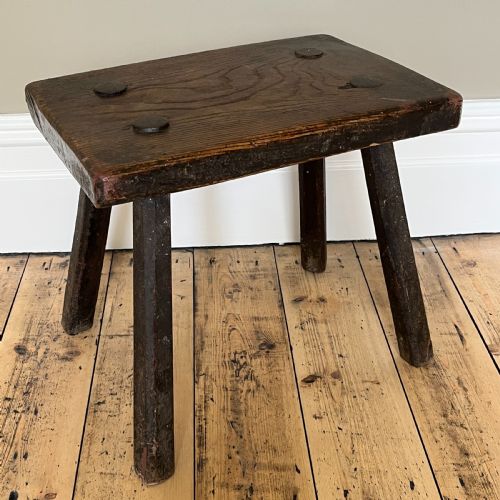
A small wooden side stool typically serves a dual purpose as a low seat or a compact occasional table. When you search for a small wooden side stool, you encounter diverse forms ranging from traditional joint stools and rustic milking stools to occasional tables and box stools.
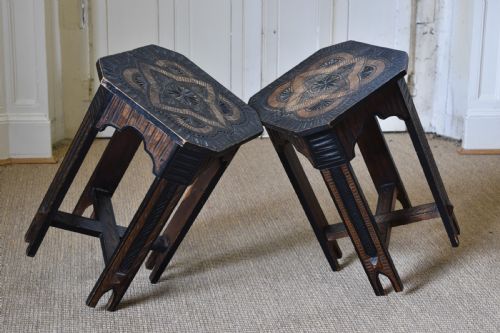
Most examples hail from the nineteenth and twentieth centuries, spanning Victorian, Edwardian, and Arts and Crafts periods. Oak and elm predominate, alongside ash, fruitwood, and ebonised timber.
Country vernacular styles sit alongside revival pieces and occasional items from distant regions. These unpretentious pieces slot easily beside chairs or beds while adding genuine historic character to an interior.
Materials and construction methods
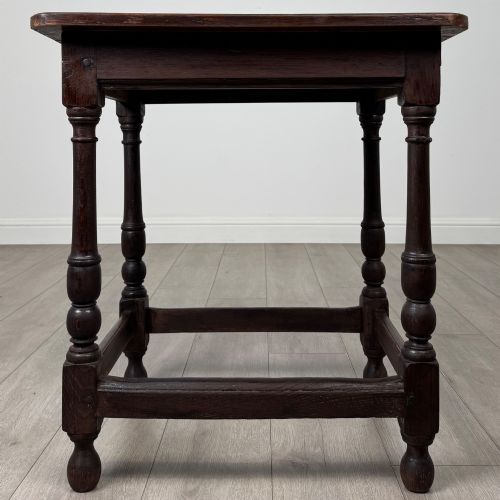
Solid timbers like oak, elm, and ash provide the structural foundation for these pieces. Makers utilised pegged joints, traditional turning, and chip carving to build robust, enduring items.
Surface treatments vary from simple wax polishes and original paint to ebonising and parcel gilding. Construction ranges from rustic pegged five-plank formats to sophisticated box stools with hidden storage.
Some nineteenth-century examples doubled as secret containers or apprentice pieces showcasing miniature joinery skills.
Assessing quality in construction and finish
Quality rests upon the selection of timber and the integrity of the joinery. Pegged construction and clean turning indicate thoughtful craftsmanship by the maker.
Surface preservation matters greatly. Pieces retaining original finishes, early paint, or uncompromised patination stand out above heavily altered examples.
Liberty and Co
The Small Wooden Side Stool Glossary
- Joint stool
- A traditional wooden stool built with mortise and tenon joints, commonly pegged together for rigidity. These sturdy pieces date back centuries and often double as small tables.
- Box stool
- A low seat featuring a hollow compartment beneath the top surface, frequently accessed via a hinged lid. They provide discreet storage alongside a sturdy perch.
- Ebonised
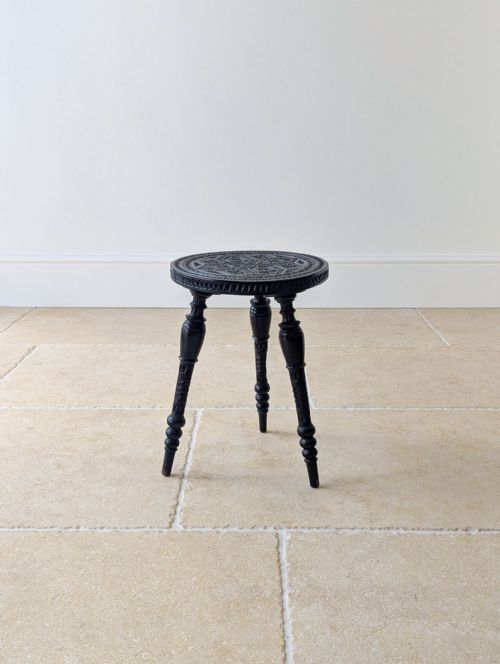
- Timber treated with a finish that darkens the grain to resemble ebony. This technique gained immense popularity during the Victorian era for decorative effect.
- Milking stool
- A simple, low, three-legged seat traditionally used by agricultural workers. Their rustic charm and stable tripod base make them popular for modern interiors.
- Chip carving
- A decorative technique where small chips are removed from the surface of wood to create geometric patterns. It appears frequently on Arts and Crafts and Victorian pieces.
Small Wooden Side Stool: Frequently Asked Questions
What is a small wooden side stool used for?
These compact items function flexibly as low seats, plant stands, or impromptu bedside tables. Their modest footprint allows them to tuck neatly beside larger furniture.
Historically, simpler versions served practical domestic or agricultural roles, whereas decorative examples adorned period parlours.
How do I date an antique wooden stool?
Dating relies on examining the timber species, tool marks, joinery techniques, and overall wear patterns. Eighteenth and nineteenth-century pieces often display hand-sawn boards and pegged construction.
Stylistic cues such as Victorian ebonising or Arts and Crafts chip carving also help narrow down the period of origin.
Are these stools sturdy enough for daily seating?
Most solid oak and elm examples remain remarkably robust and handle regular weight without issue. Pegged joints and dense hardwoods ensure lasting structural integrity.
Delicate carved or ebonised display pieces suit lighter duties like holding lamps or books rather than heavy use.
How should I care for antique wooden furniture?
Maintain the wood by applying a quality natural wax polish occasionally to nourish the grain and protect the surface. Avoid placing wooden items near direct heat sources or strong sunlight.
Gentle dusting with a dry cloth prevents grime accumulation while preserving the historic patina.