



Small Wooden Shelving
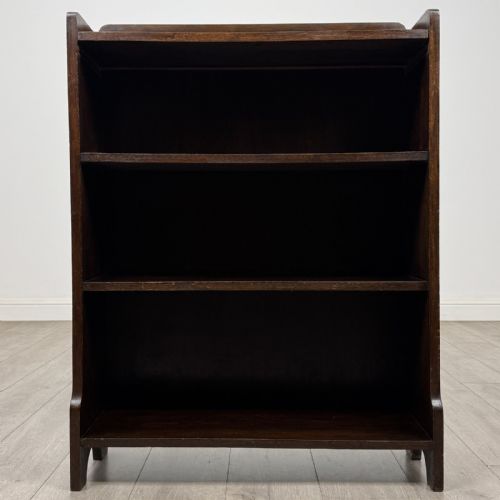
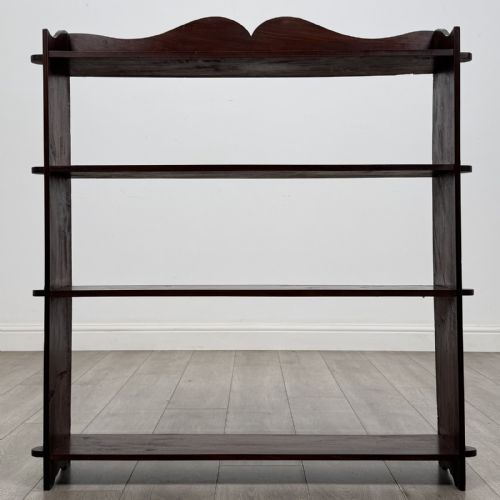
Small wooden shelving offers compact domestic storage in forms ranging from wall hanging racks to narrow open bookcases.
Small Wooden Shelving
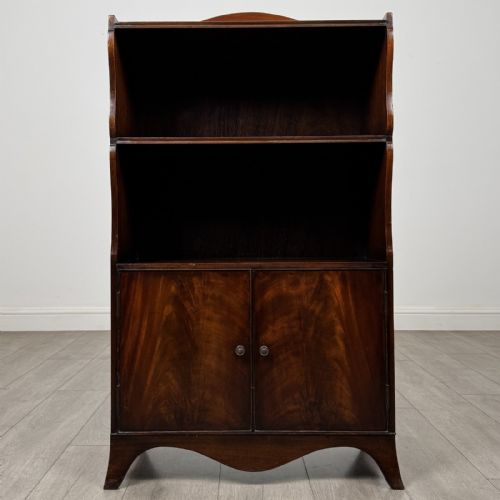
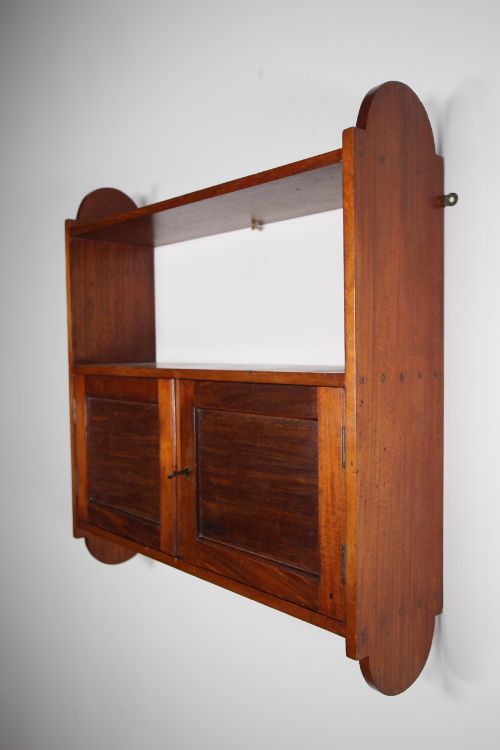
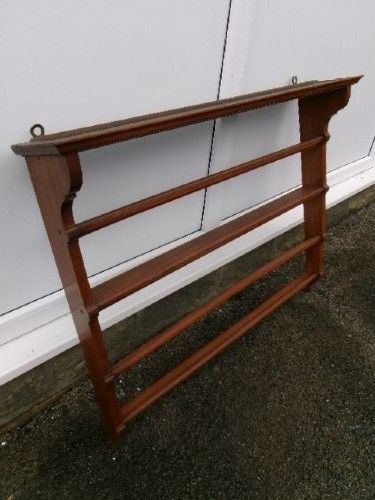
Small wooden shelving encompasses open bookcases, wall hanging shelf racks, and compact display units designed for limited spaces. When buyers search for small wooden shelving, they encounter pieces originating from the nineteenth and early twentieth centuries, including Victorian and Edwardian examples. These items serve practical storage needs while bringing period character into smaller rooms.
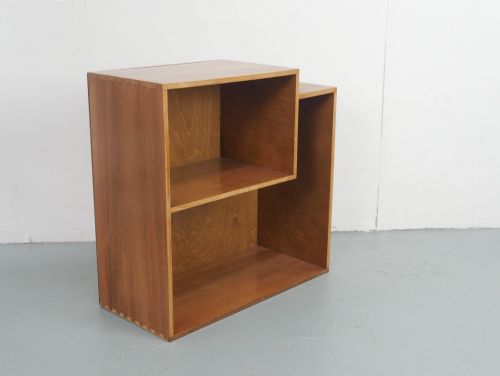
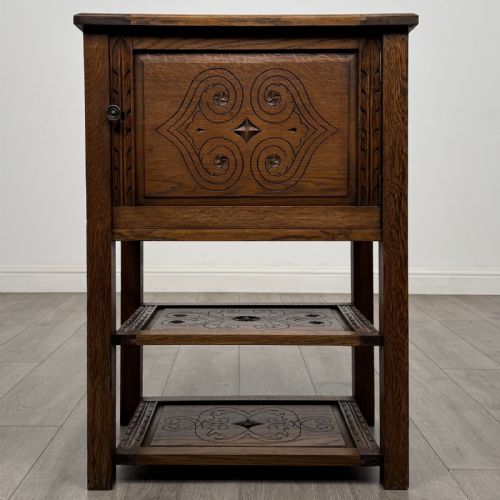
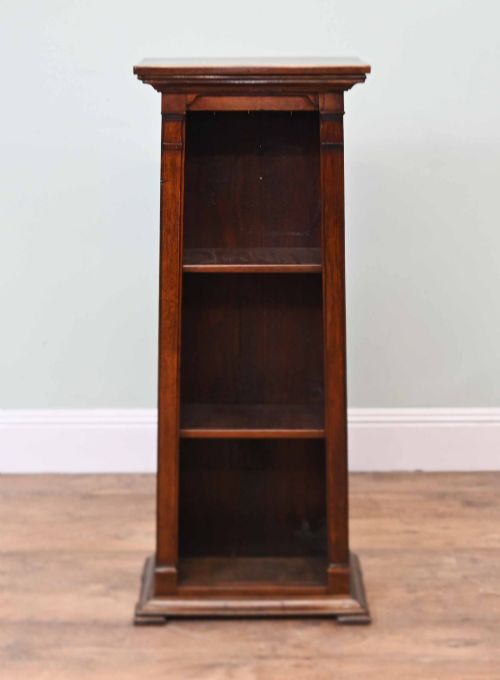
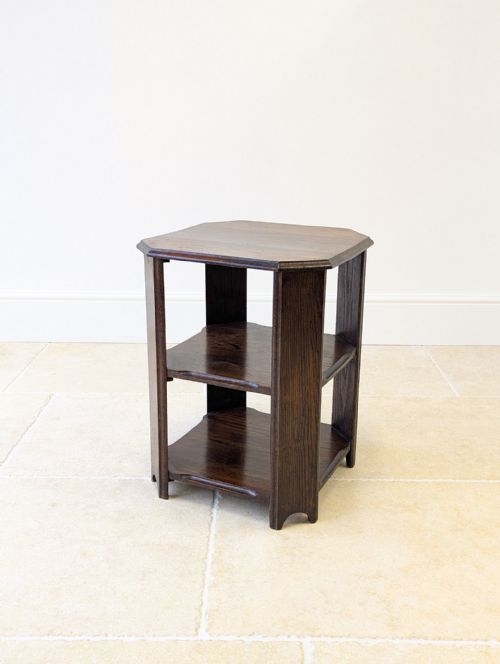
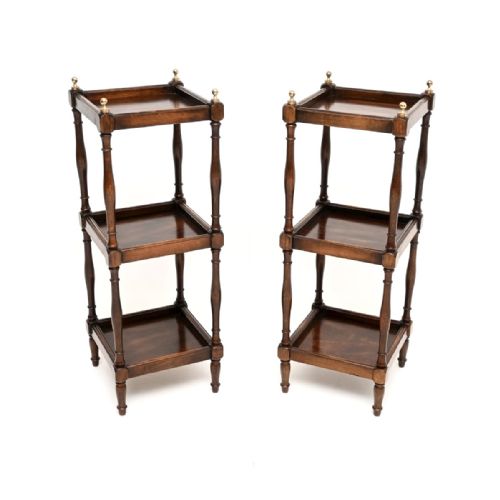
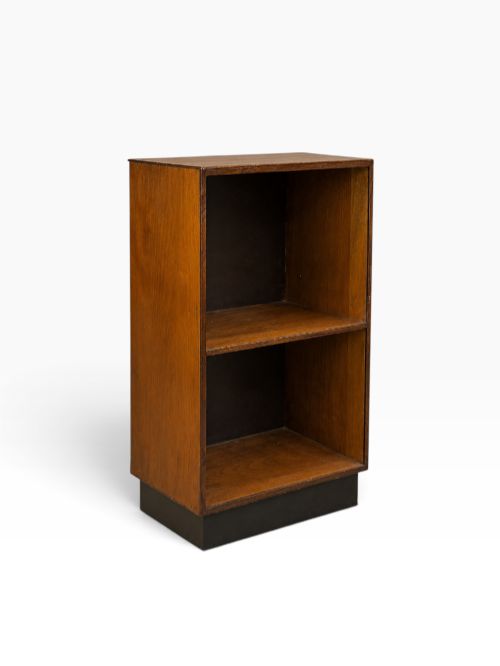
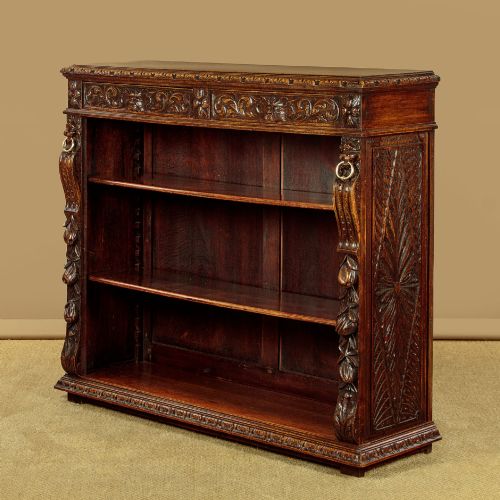
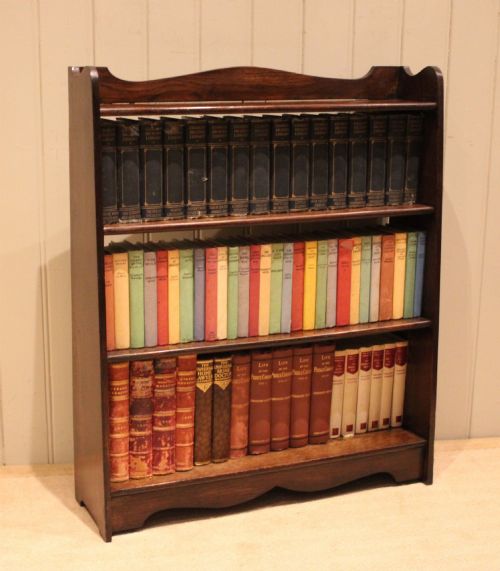
The selections on this page lean heavily towards open mahogany and oak bookcases, alongside wall mounted cabinets and tiered side tables. Makers from the Arts and Crafts and Art Deco periods also contribute distinct structural forms in ash and carved oak. Most pieces focus on vertical utility, fitting easily into hallways, bedrooms, and studies.
How they were made
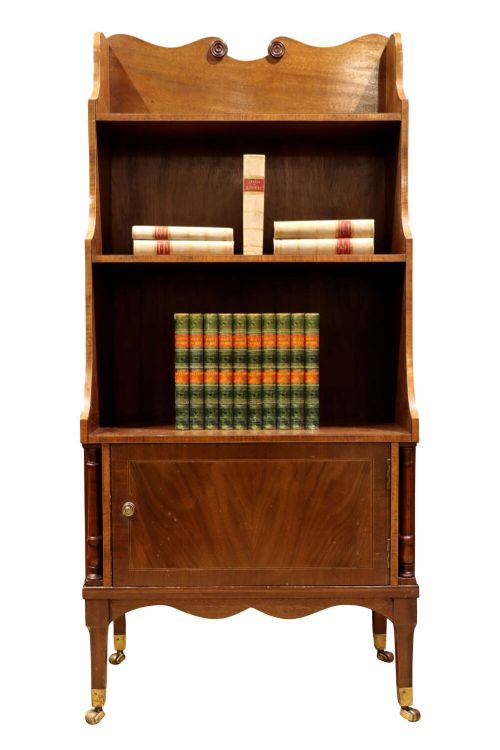
Carpenters built these shelves using dense hardwoods such as mahogany, oak, walnut, and rosewood, occasionally incorporating lighter satinwood or satin birch for contrast. Brass details appear on castors and structural mounts, while glass panels sometimes enclose cabinet sections. Timber selection dictated both the weight-bearing capacity of the shelves and the visual grain pattern.
Construction techniques combine traditional joinery with decorative surface treatments like inlaid friezes, raised galleries, and carved top edges. Pieces from the Arts and Crafts era emphasise exposed wooden grain and honest construction, whereas later twentieth-century items introduce streamlined geometric profiles in ash and oak.
Small Wooden Shelving Retail Price Guide 2026
Typical asking prices for small wooden shelving among the pieces listed under this phrase on Sellingantiques today, from the lower quarter to the upper quarter. They describe what is for sale here now, not the wider market.
Listings feature items built from mahogany, oak, walnut, rosewood, satinwood, and limewood across Victorian, Edwardian, and Art Deco periods.
What varies in quality
Quality in small wooden shelving reveals itself in the choice of timber and the precision of the joinery rather than mere ornamentation. Superior examples utilise dense, well-figured mahogany or quarter-sawn oak with stable joints that resist warping over generations. Subtle enhancements, such as adjustable shelving mechanisms and delicate string inlay, distinguish finer workshop production from standard utility items.
The integration of secondary materials like cast brass fittings and properly fitted backboards also marks the divide between ordinary storage and accomplished cabinetmaking. Well-proportioned architectural cornices and cleanly executed carved details demonstrate a maker's skill and attention to structural balance.
Heals·Ercol·Cottier and Co
The Small Wooden Shelving Glossary
- Gallery
- A raised wooden border running along the top edge of a shelf or bookcase to prevent items from sliding off. This feature is frequently seen on Edwardian and nineteenth-century open bookcases.
- Waterfall bookcase
- A set of open shelves that diminishes in depth from bottom to top, following a stepped vertical profile. These often appear in mahogany or satinwood configurations.
- Chiffonier
- A low cabinet featuring shelving or a mirror superstructure, combining enclosed cupboard space with display surfaces. They are commonly constructed from rosewood or mahogany.
- Inlay
- A decorative technique where contrasting woods or materials are embedded into the primary surface of the furniture. Friezes and tabletops frequently display linear or floral motifs created this way.
- Bracket feet
- Architectural supports extending downward from the base corners of a cabinet or bookcase. They provide a stable footing while lifting the main body slightly off the floor.
Small Wooden Shelving: Frequently Asked Questions
What rooms suit small wooden shelving best?
Compact bookcases and wall-mounted racks fit easily into narrow hallways, bedrooms, and home studies where floor space is limited. Their modest footprints allow them to sit comfortably alongside larger furniture without dominating the room.
Wall-hanging variations free up floor entirely, making them practical for tighter living areas or kitchens needing accessible storage.
How do I identify an Edwardian bookcase?
Edwardian pieces often feature lighter mahogany or oak construction, sometimes accented with subtle inlay work or simple carved top edges. They tend to prioritize refined domestic utility over heavy Victorian ornamentation.
Bracket feet and raised galleries frequently appear on these early twentieth-century designs, maintaining a tidy profile.
Are the shelves adjustable on these pieces?
Some period bookcases include adjustable shelving mechanisms to accommodate books of varying heights, though many older pieces feature fixed shelves. Walnut and mahogany examples from the early twentieth century are more likely to offer flexibility in shelf placement.
Checking the interior walls of the bookcase will reveal whether traditional support notches or modern peg systems are present.
How should I care for antique wood?
Antique timber benefits from occasional dusting with a soft, dry cloth and the sparing application of traditional beeswax to nourish the grain. Keeping pieces away from direct heat sources and strong sunlight prevents the wood from drying out or splitting.
Avoiding harsh chemical sprays ensures the preservation of the original polish and surface patina over time.