

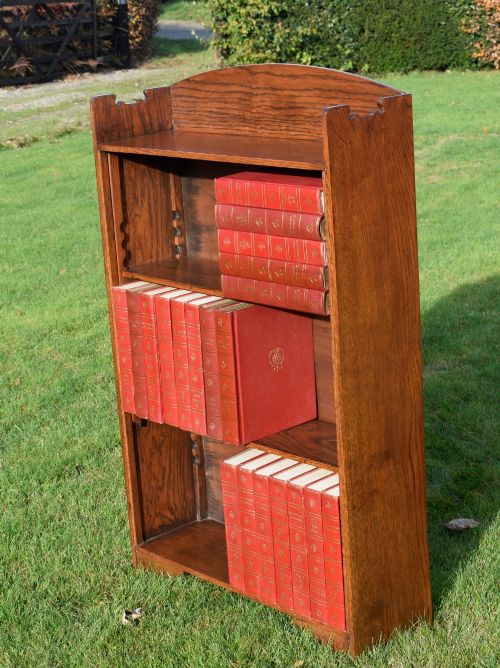
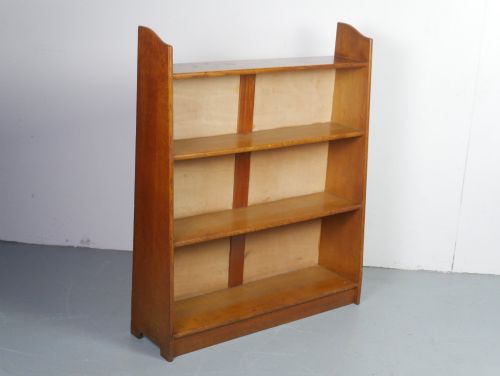
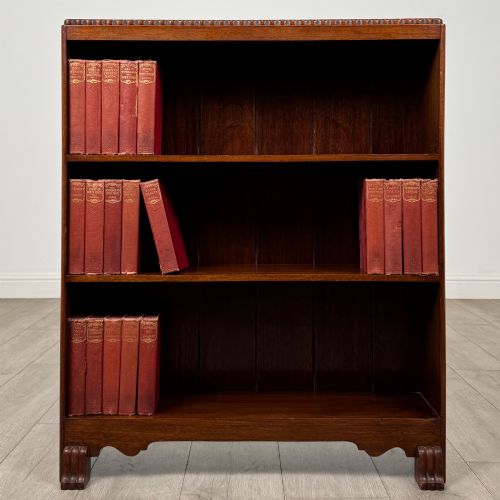
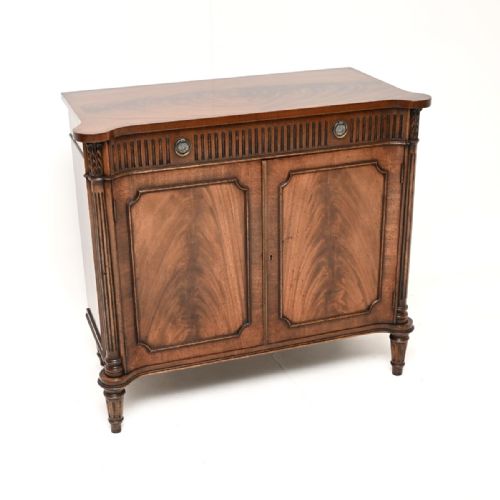




Small Wooden Book Cabinet
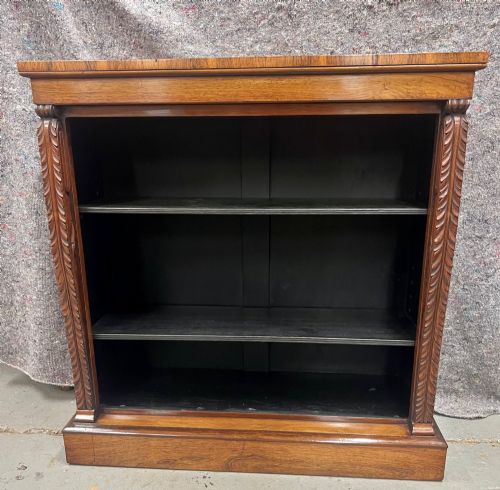
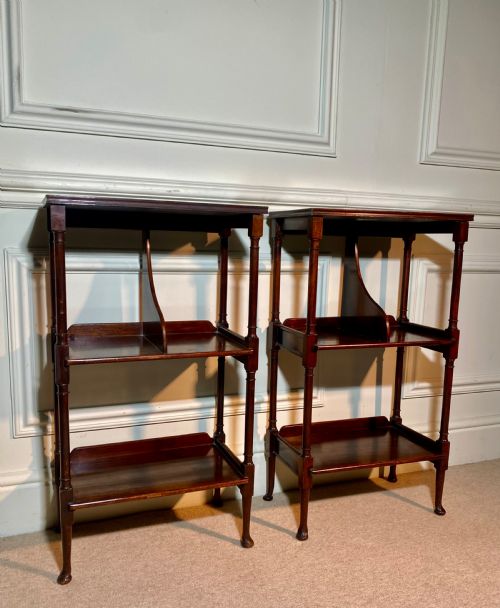
These small wooden book cabinet pieces offer compact elegance for keeping volumes close at hand.
Small Wooden Book Cabinet
A small wooden book cabinet combines compact proportions with practical shelving for storage in sitting rooms or studies. The pieces seen on this page span several distinct periods including the Edwardian era, the Regency period, and the late nineteenth century.
Buyers will encounter various forms ranging from open bookcases and narrow bookcase designs to two door cabinets on legs and small side cabinets. Many examples feature glazed doors, open shelves, or inlaid friezes that reflect traditional craftsmanship.
Origins include straightforward Edwardian utility as well as more decorative Victorian and French provincial influences. These items suit modern interiors that require understated storage without dominating a room.
How they were made
Cabinet makers utilised a selection of traditional hardwoods such as mahogany, oak, walnut, rosewood, and satinwood to construct these pieces. Finer details often include contrasting boxwood stringing and brass hardware.
Surfaces frequently show careful polishing that highlights the natural grain of the wood, whilst glazed sections utilise fitted glass panels. Inlaid elements require precise hand-cutting to achieve clean geometric or floral patterns.
Small Wooden Book Cabinet Retail Price Guide 2026
Typical asking prices for small wooden book cabinet among the pieces listed under this phrase on Sellingantiques today, from the lower quarter to the upper quarter. They describe what is for sale here now, not the wider market.
Listings feature woods such as mahogany, oak, walnut, rosewood, satinwood, and boxwood across multiple periods.
What varies in quality
The standard of timber selection and the precision of the joinery set the better examples apart from standard utility items. Figured veneers and meticulous inlay work indicate a higher grade of manufacture.
Proportion and balance dictate the visual appeal of each cabinet, with finer pieces exhibiting harmonious lines and considered detailing. The integrity of the original hardware and glass panels also influences overall merit.
The Small Wooden Book Cabinet Glossary
- Open bookcase
- A piece of furniture featuring exposed shelves without doors for the storage and display of books. This form provides immediate access to volumes.
- Frieze
- The flat decorative band running along the upper portion of a cabinet beneath the cornice. It frequently incorporates inlay or carved motifs.
- Inlaid
- A technique where contrasting materials are inserted into recessed cavities in the wood surface to form decorative patterns. Boxwood and satinwood are common choices for this work.
- Chiffonier
- A low sideboard or cabinet featuring shelves above or enclosed storage below. This versatile form often incorporates open book shelves in Victorian iterations.
- Ebonised
- Wood treated with a finish to imitate ebony, providing a dark, contrasting appearance. This treatment is often found on nineteenth century decorative pieces.
Small Wooden Book Cabinet: Frequently Asked Questions
Where should I place a small wooden book cabinet?
These compact pieces fit comfortably in studies, bedrooms, or narrow hallways where floor space is limited. Their modest proportions allow them to sit beside seating or beneath windows without obstructing light.
They provide accessible storage for working volumes or decorative collections while maintaining an orderly appearance in smaller rooms.
How do I distinguish between Edwardian and Regency styles?
Edwardian pieces often display lighter woods and simpler, restrained ornamentation suited to domestic comfort at the start of the twentieth century. Regency examples tend to draw on classical motifs with heavier architectural influences.
Examining the construction methods and timber choices helps clarify the period of manufacture.
Are these cabinets suitable for heavy volumes?
Most small cabinets are constructed with solid hardwoods capable of supporting standard octavo volumes and general reading material. Narrower shelf spans generally offer better resistance to sagging over time.
Distribution of weight remains important regardless of the specific timber used in construction.
What maintenance do these wooden cabinets require?
Routine dusting with a soft, dry cloth prevents the accumulation of particulate matter on polished surfaces and delicate inlays. Avoiding direct sunlight and sudden temperature changes protects the timber from warping or drying out.
Occasional application of appropriate wax polish helps maintain the lustre of the wood.