


Small Wood Pedestal Table
These small wood pedestal tables offer compact surfaces for lamps and wine, shaped by centuries of British and continental cabinetmaking.
Small Wood Pedestal Table
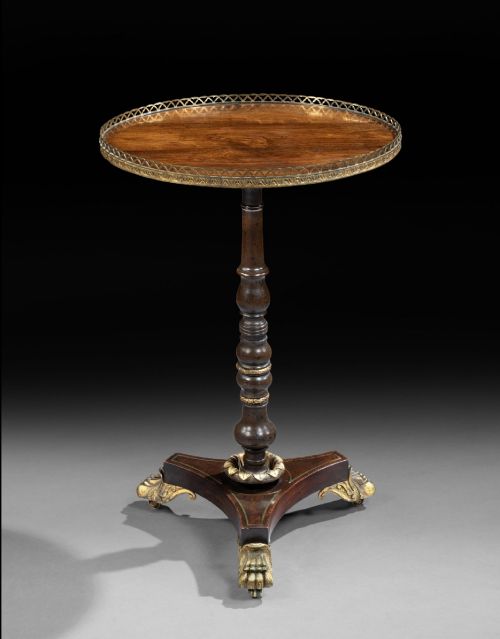
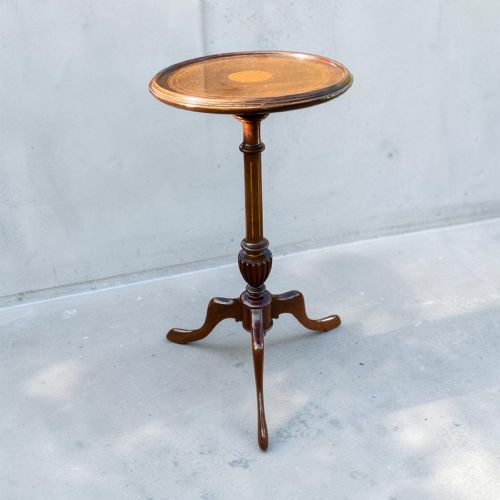
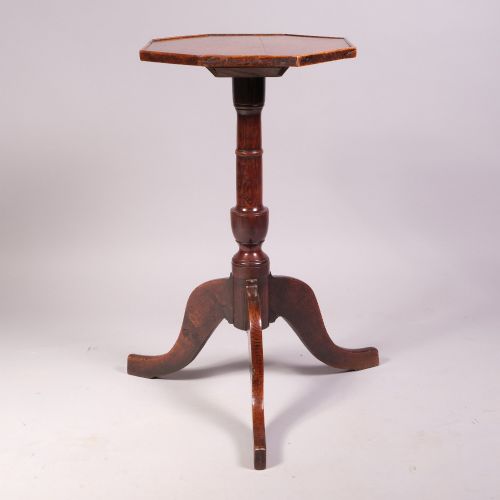
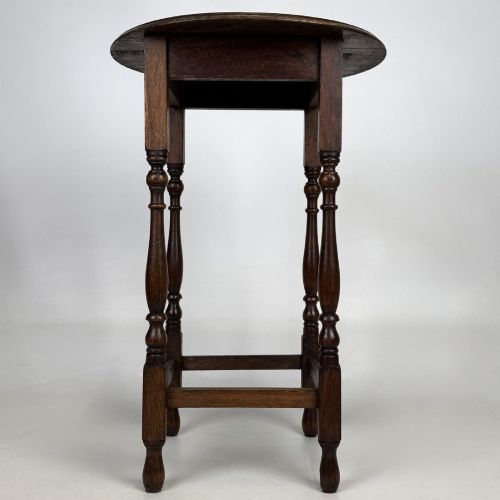
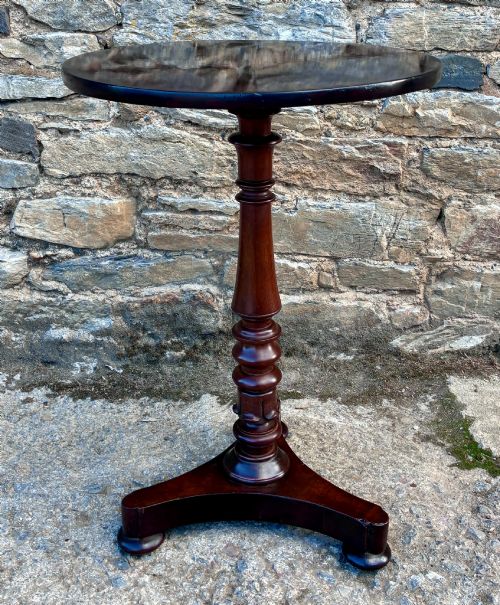
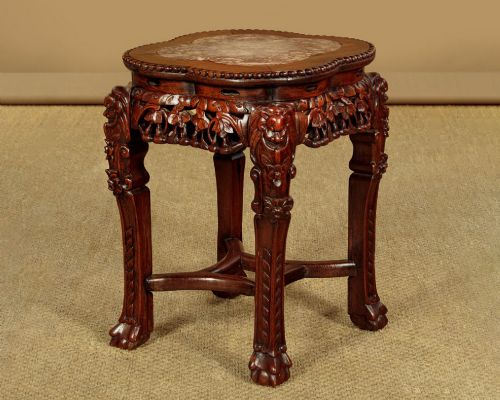
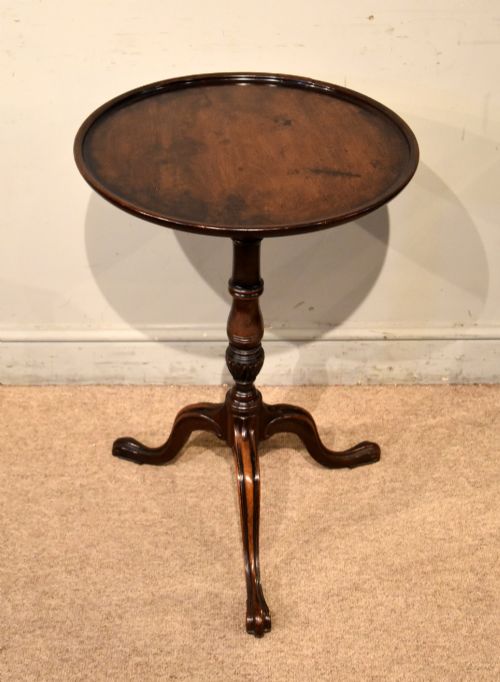
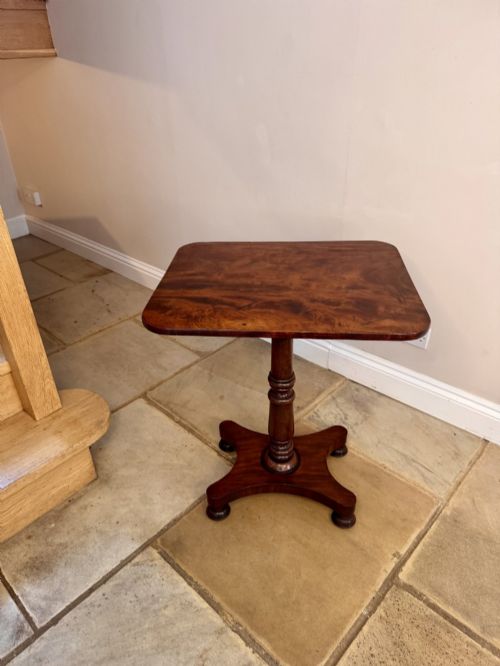
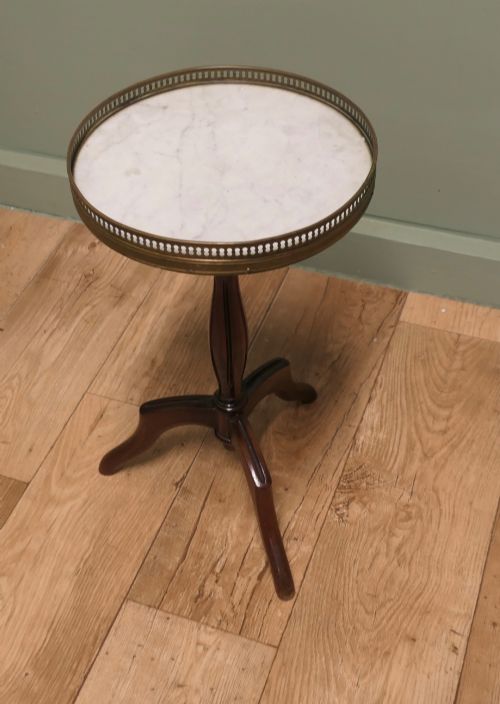
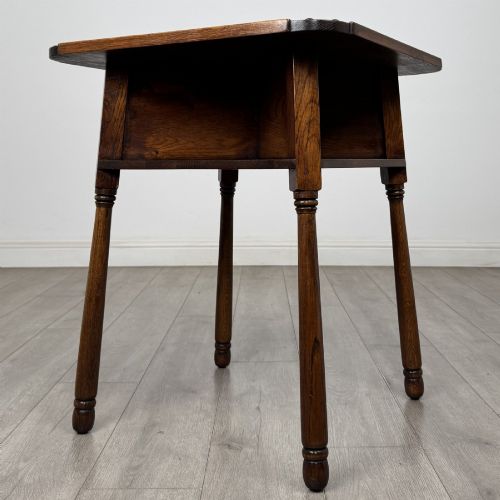
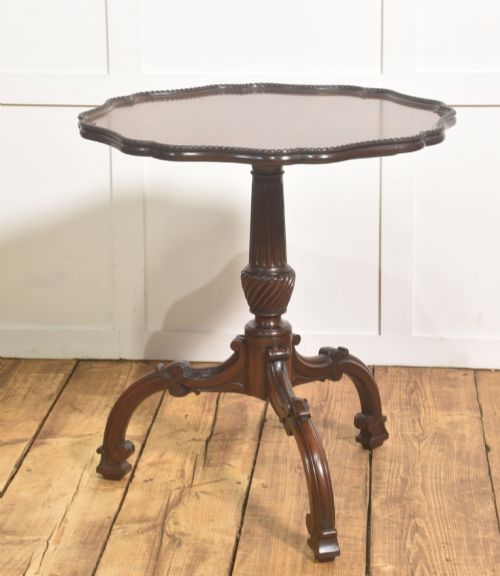
A small wood pedestal table stands on a single central column or tripod base, designed for specific occasional uses like holding a lamp, book or glass. The selection ranges from Georgian tripod designs to Victorian bobbin-turned or barley twist stands and Edwardian inlaid pieces.
The primary forms appearing here include wine tables, candle stands, lamp tables and occasional tables. Many date from the nineteenth century, with earlier George II and George III examples alongside Edwardian interpretations of classic styles.
Materials and construction
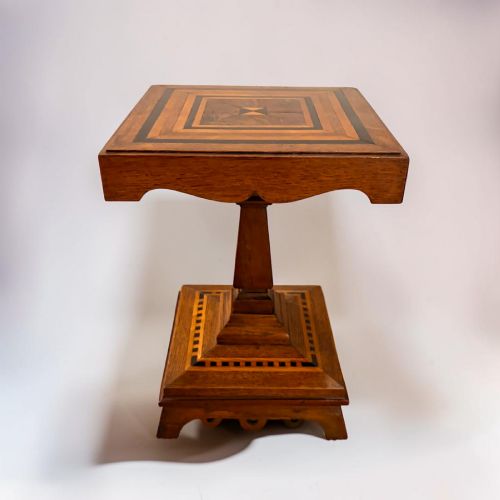
Mahogany and walnut form the core of the timber selection, frequently augmented by rosewood, oak, yew, elm, satinwood and birdseye maple. Cabinetmakers utilised solid planks and carefully cut veneers, sometimes incorporating marquetry or brass details into the tops.
Supports take the form of turned pedestals, tripod legs with pad or snake feet, and column bases. Joinery relies on traditional methods such as tenons, dowels and dovetails to secure the top to the central shaft.
Small Wood Pedestal Table Retail Price Guide 2026
Typical asking prices for small wood pedestal table among the pieces listed under this phrase on Sellingantiques today, from the lower quarter to the upper quarter. They describe what is for sale here now, not the wider market.
Listings feature woods including mahogany, walnut, oak, rosewood, yew, elm, satinwood, and birdseye maple across multiple centuries.
Distinctions in quality
The caliber of a small wood pedestal table rests on the selection of timber and the precision of the turning on the central column. Superior examples display carefully matched grain patterns, crisp carving, and stable tripod legs that sit flat without rocking.
Inlaid and marquetry pieces show variation in the neatness of the contrasting woods and the retention of original surfaces. Better workshops executed tighter joints and more refined proportions, whereas lesser pieces reveal heavier, simpler timber assemblies.
Bulstrode Cambridge
The Small Wood Pedestal Table Glossary
- Tripod table
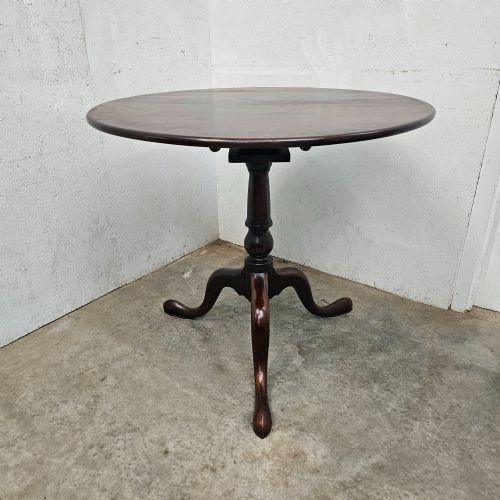
- A small circular table supported by three legs radiating from a central pillar. These often feature a tilt-top mechanism to save space when not in use.
- Wine table
- A compact occasional table designed to hold a single glass or bottle. They frequently appear in eighteenth and nineteenth-century forms with circular tops.
- Tilt top
- A table mechanism allowing the top to pivot to a vertical position. This permitted easy storage against a wall when the surface was idle.
- Marquetry
- Decorative veneer work forming pictures or geometric patterns using various coloured woods. It requires high skill to fit the pieces precisely into the ground timber.
Small Wood Pedestal Table: Frequently Asked Questions
What is a small wood pedestal table used for?
These pieces function primarily as occasional furniture for holding lamps, drinks, or small decorative objects next to seating. Their compact footprints allow them to fit into tight corners and beside armchairs.
Historically, specific variations like candle stands and wine tables served dedicated evening tasks in the drawing room or parlour.
How do I identify a Georgian pedestal table?
Georgian examples from the eighteenth century typically exhibit restrained classical proportions, elegant tripod bases with pad or spade feet, and dense mahogany or walnut timber. The joinery is entirely manual, often showing hand-cut dovetails and pegged construction.
Later Victorian and Edwardian pieces often borrow these earlier forms but introduce heavier turnings, machine-cut elements, or more elaborate marquetry inlays.
Can I use a wine table as a bedside cabinet?
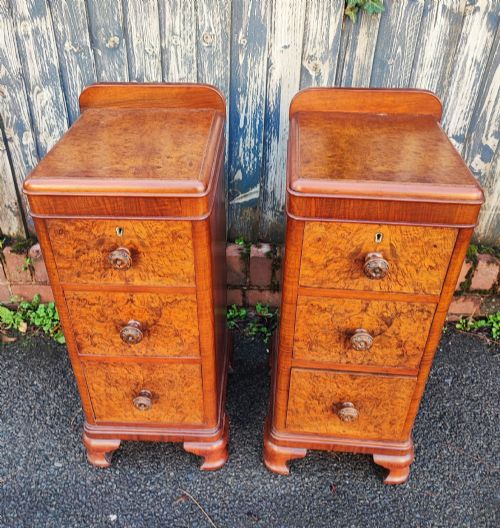
Many compact occasional and wine tables suit bedside use for a reading lamp and a book. However, standard wine tables lack drawers or enclosed storage space found on dedicated bedside cabinets.
Buyers seeking concealed storage should look specifically for bedside cupboards or small chests rather than open tripod stands.
What woods were used for these tables?
Mahogany and walnut predominate across the selection, prized for their strength and rich grain. Cabinetmakers also employed oak, yew, elm, rosewood, and exotic veneers like satinwood and birdseye maple.
The choice of timber often reflects the period, with native oak and walnut common in earlier pieces and imported mahogany or rosewood favouring the nineteenth century.