
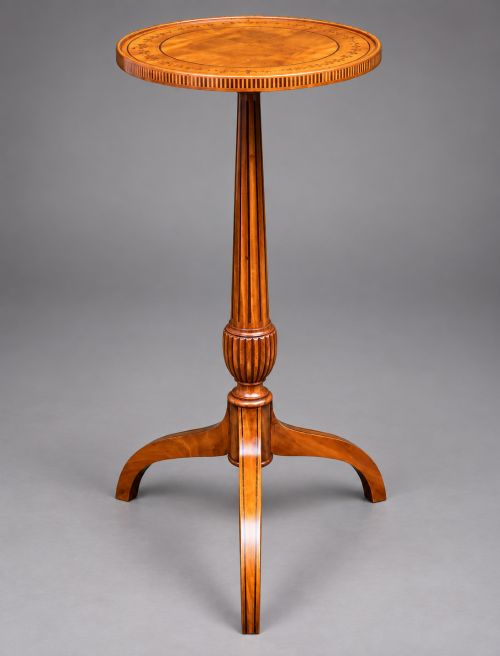
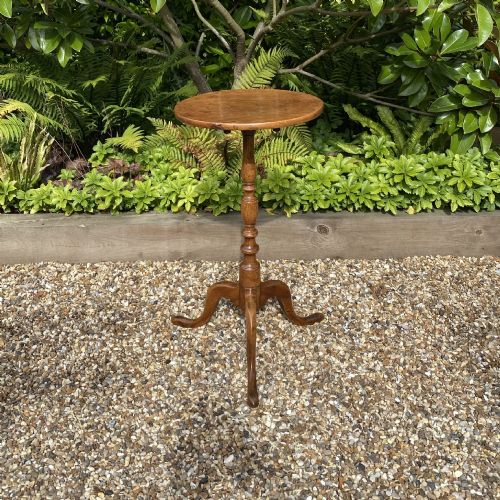
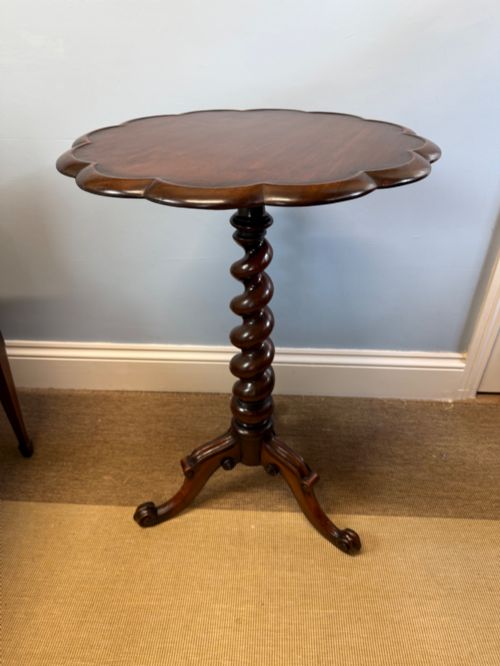
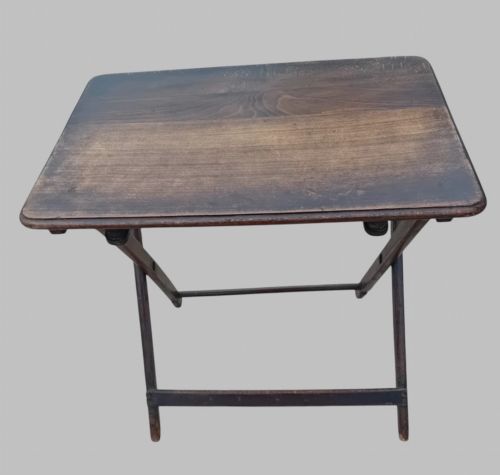
Small Wood Accent Table
A small wood accent table brings practical surface space to quiet corners through traditional forms like side, wine and occasional tables.
Small Wood Accent Table
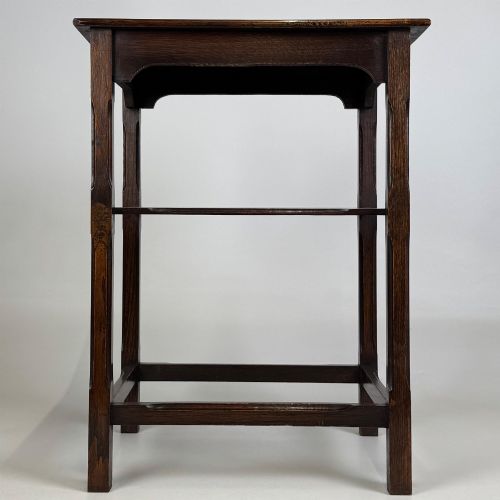
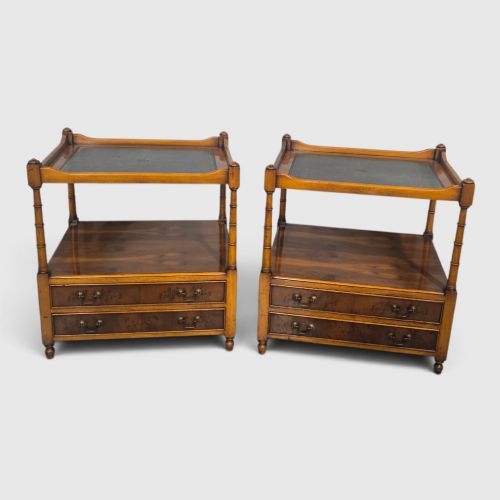
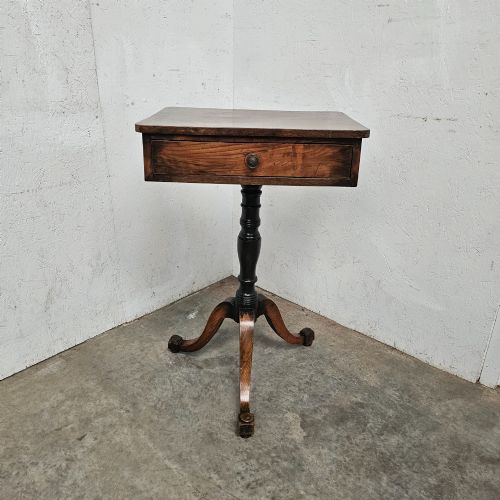
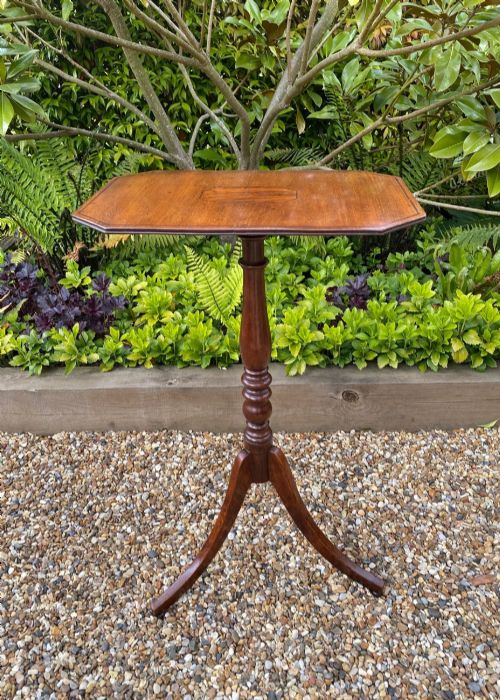
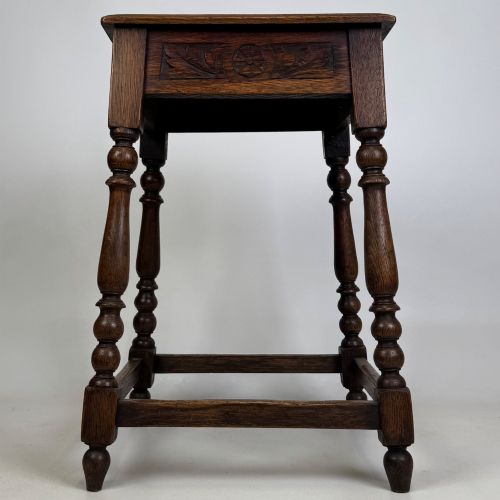
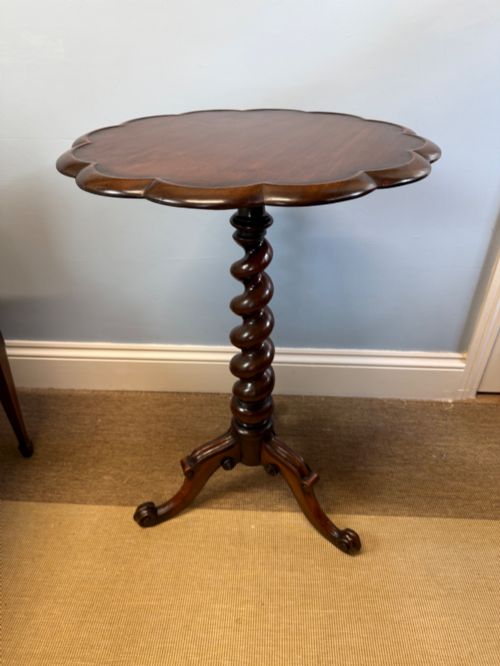
A small wood accent table serves as a versatile piece of furniture designed to fit compactly beside seating or against walls. When searching for a small wood accent table, buyers encounter a wide variety of historical forms including side tables, wine tables, occasional tables and lamp tables originating from periods such as the Victorian era, the Edwardian period and the nineteenth century.
The pieces listed on this page span several decades and styles, reflecting the diverse tastes of past makers. Examples range from simple oak side tables and mahogany wine tables to more decorative occasional pieces in burr walnut and satinwood.
Most entries belong to the Edwardian period or the nineteenth century, showcasing traditional British cabinet-making traditions. Buyers regularly find functional items like Pembroke tables, folding camp tables and pedestal stands designed for specific domestic uses.
Materials and construction methods
Makers utilised a selection of solid timbers and decorative veneers to build these tables, relying primarily on mahogany, oak, walnut and burr walnut. Secondary or accent woods such as satinwood, yew, beech and cherry appear alongside brass fittings and leather inserts.
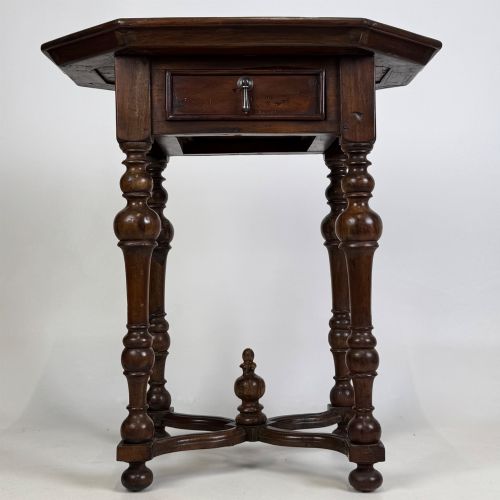
Construction techniques varied according to the period and intended function, employing traditional joinery alongside turned supports, barley twist legs and pedestal bases. Surfaces frequently feature carved details, chip carving, or figural wood grains highlighted through polishing.
Some miniature tables were originally built as apprentice pieces or specialised stands for tiny Victorian teacups.
Distinguishing quality in construction
Quality in these tables rests upon the selection of timber and the precision of the construction. Pieces featuring highly figured burr walnut, rich mahogany or solid oak demonstrate superior material choice compared to plain utility items.
Refinement in the carving, stability of the pedestal joints and elegance of the proportions determine the distinction between standard domestic furniture and finer examples. The integration of decorative elements like shaped rims or inlay work elevates the overall standard of the piece.
The Small Wood Accent Table Glossary
- Occasional table
- A small, movable table designed for intermittent use in a sitting room or parlour. These versatile pieces function easily as lamp stands or display surfaces.
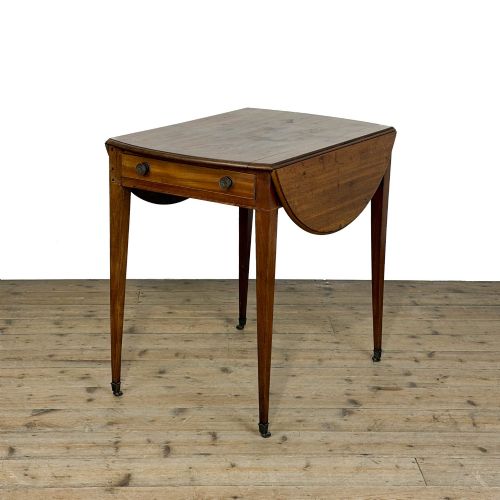
- Pembroke table
- A small table featuring two hinged drop leaves on opposing sides. It often includes one or more small drawers beneath the top.
- Wine table
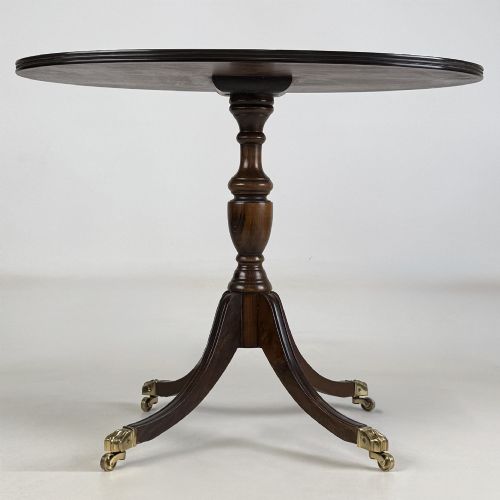
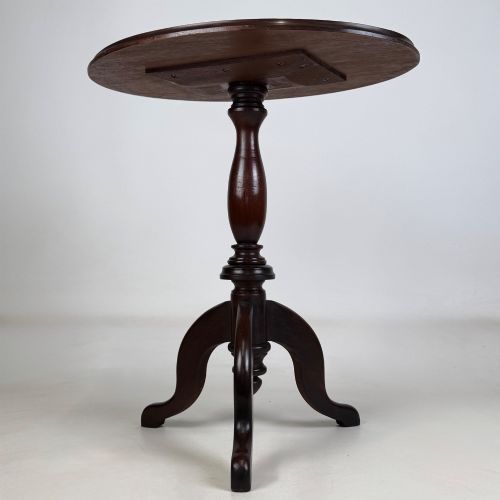
- A compact single-pedestal table historically used to hold glasses or bottles. They typically possess a circular or trefoil top supported by a central pillar and tripod legs.
- Burr walnut
- A prized timber veneer obtained from the gnarled growths on walnut trees. It displays swirling, intricate grain patterns highly valued for decorative table tops.
- Barley twist
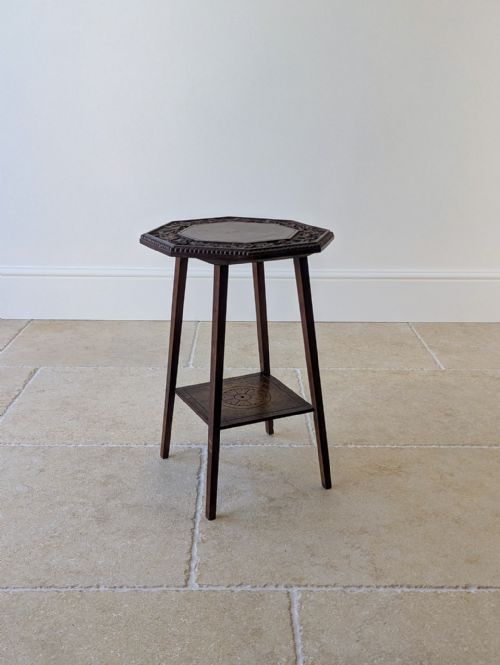
- A type of furniture leg turned in a spiral resembling a twist of barley sugar. This decorative feature appears frequently on Edwardian oak tables.
- Pie crust rim
- A raised, scalloped edge carved around the perimeter of a circular table top. This ornate detail resembles the decorative crust of a pastry pie.
Small Wood Accent Table: Frequently Asked Questions
What is a wine table used for?
A wine table provides a small, stable surface designed originally to hold drinking vessels beside a chair. Its compact circular top and central pedestal allow it to fit easily into tight spaces.
Today, owners utilise these tables as lamp stands, plant pedestals or decorative display points in sitting rooms and hallways.
How do I identify an Edwardian side table?
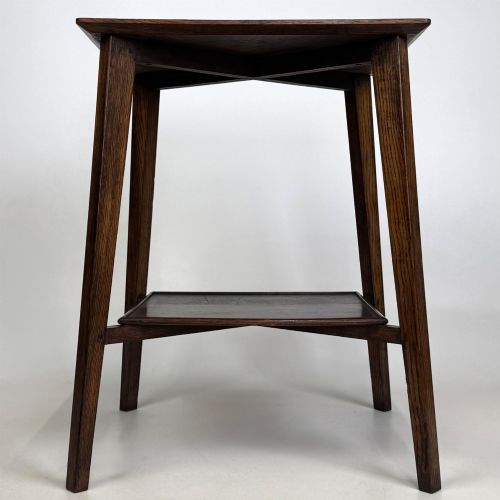
Edwardian side tables typically date from the period between nineteen hundred and nineteen ten. They often feature light oak or mahogany construction with simpler lines than heavy Victorian pieces.
Common characteristics include barley twist legs, subtle inlay work, and compact dimensions suited to smaller urban rooms of that era.
Where should I place an occasional table?
Occasional tables fit best beside sofas, armchairs or in empty hallway corners where extra surface area is required. Their movable nature allows them to shift easily as room layouts change.
Pairing a small timber table with a reading lamp or a stack of books creates both a functional and balanced arrangement.
What defines a Pembroke table?
A Pembroke table is distinguished by its hinged drop leaves that fold down to save space or lift up to extend the surface. Most examples include a small drawer and four slender legs.
Historically placed beside seating, these tables offer adaptable surface space without dominating the floor area of a room.