


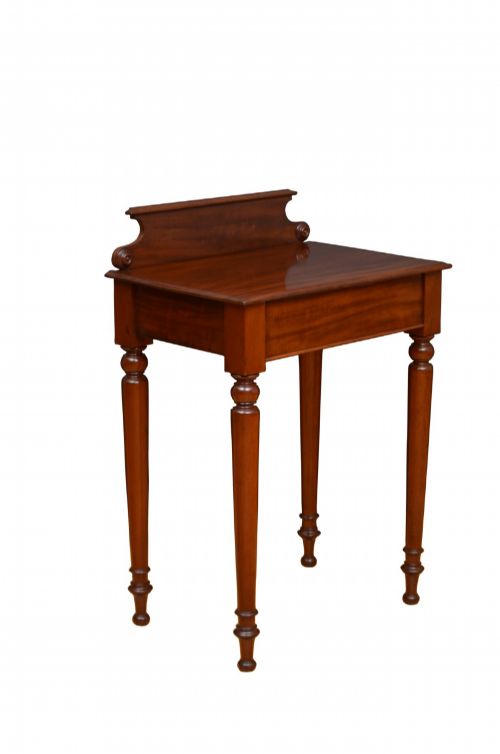
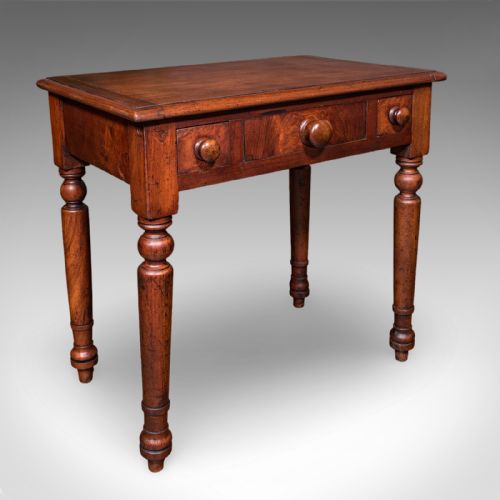
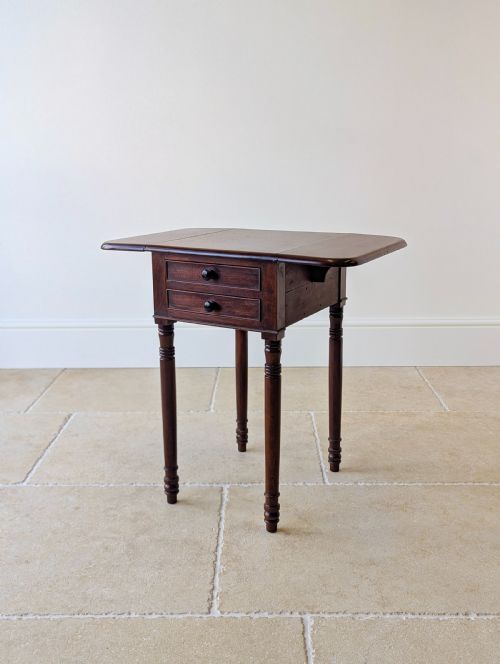


Small Victorian Console Table
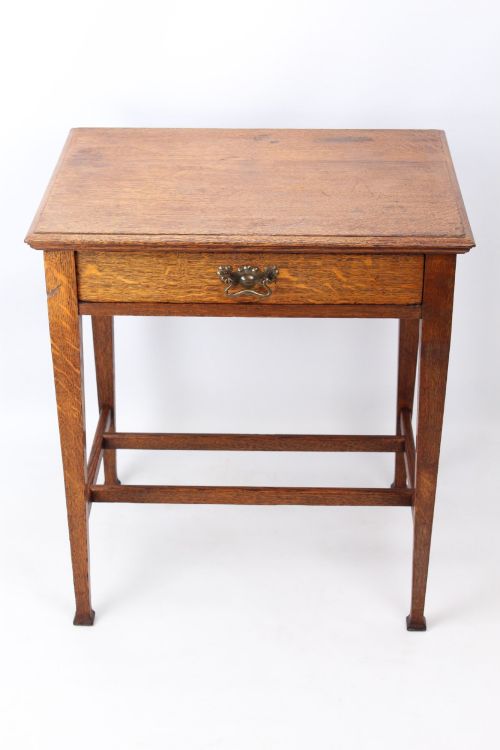
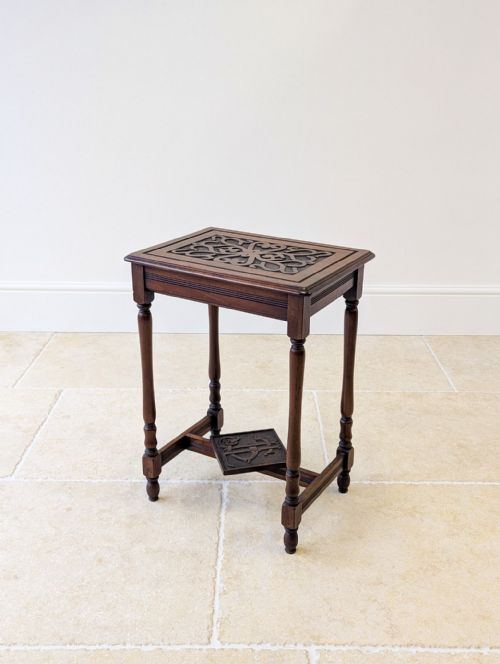
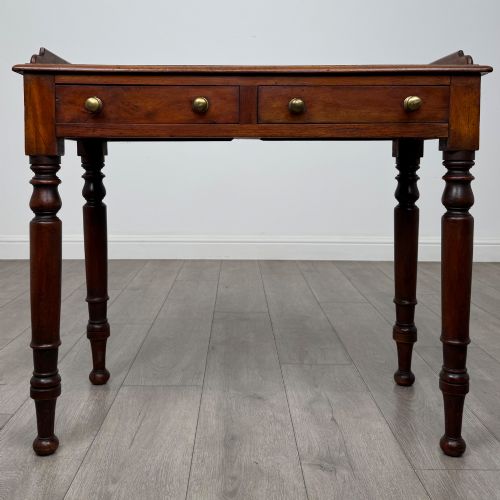
A small victorian console table offers a practical surface for narrow spaces, combining period timber with compact proportions.
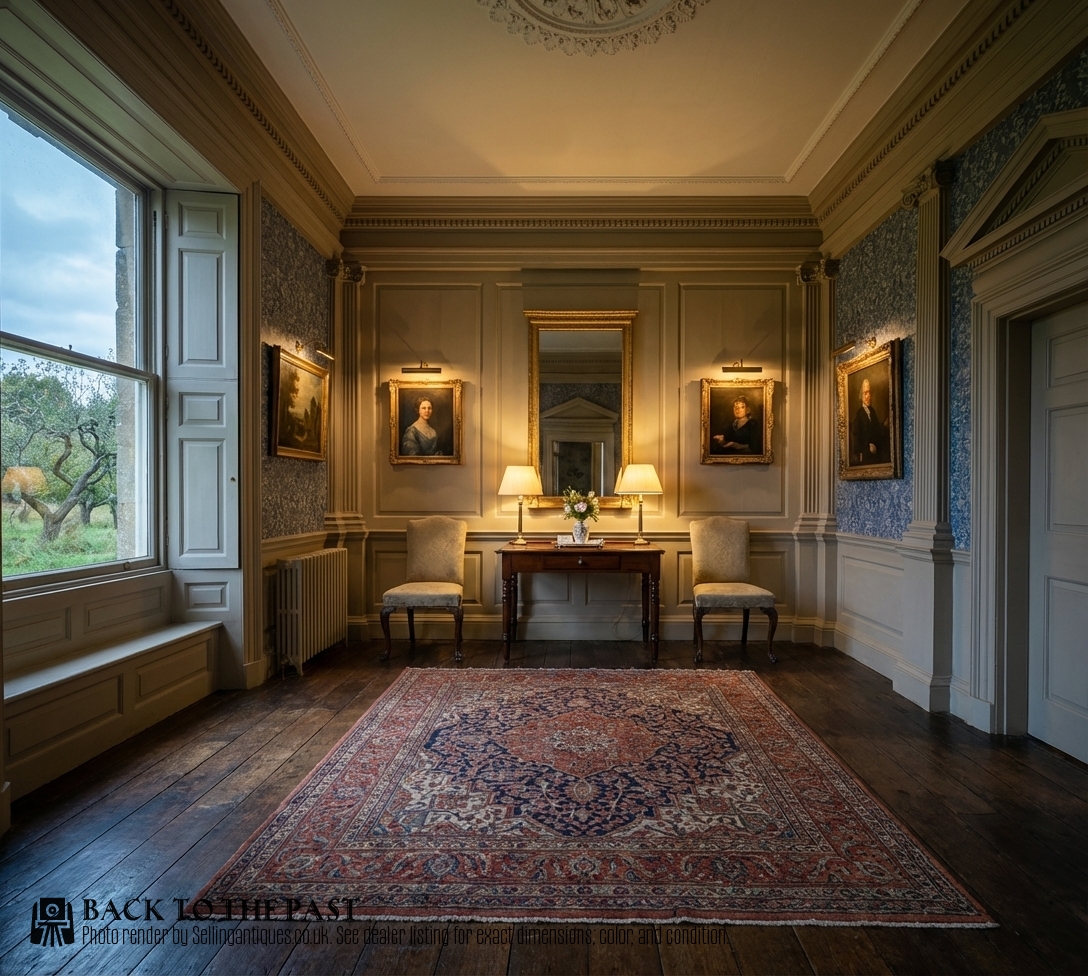
Small Victorian Console Table
A small victorian console table generally appears alongside related forms like side tables, occasional pieces, and compact desks across this selection.
Makers constructed these pieces using dense hardwoods and lighter secondary timbers, frequently shaping them to fit hallways, reception rooms, and smaller parlours.
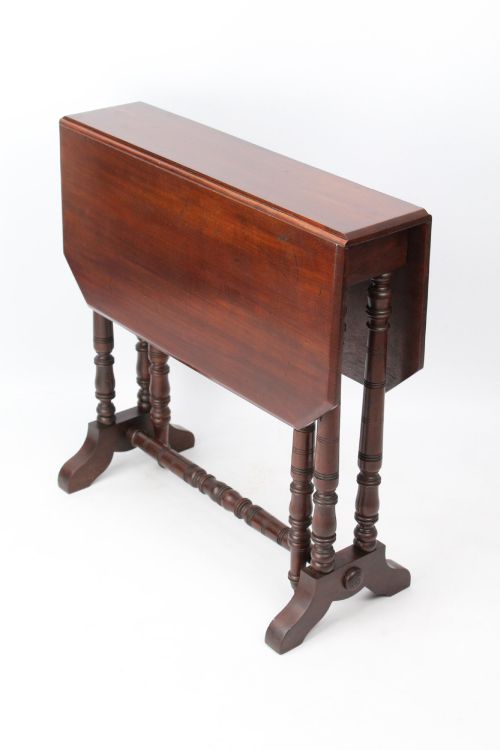
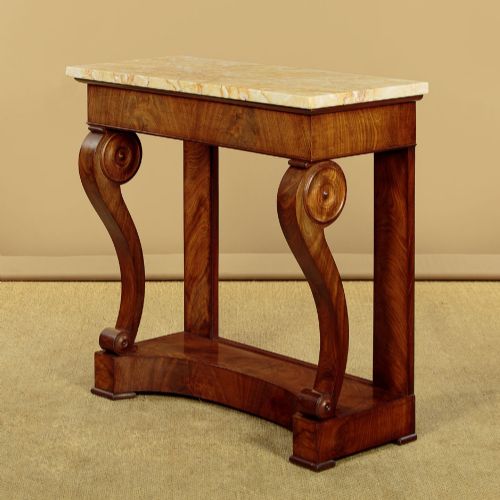
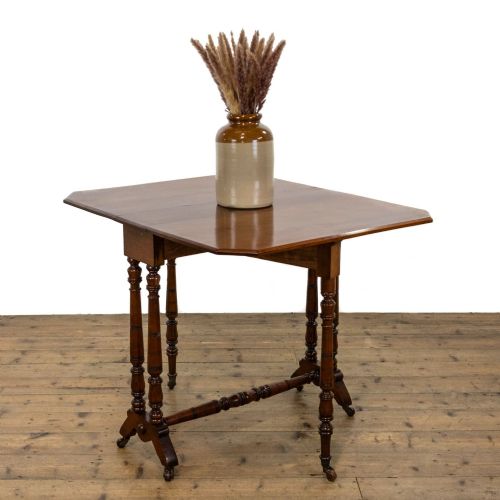
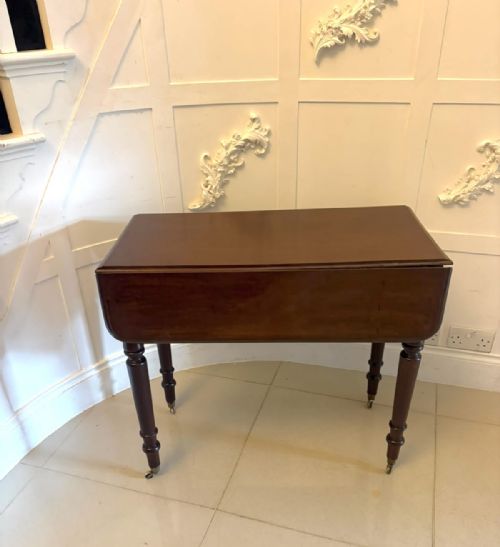
The inventory demonstrates variety through drop-leaf mechanisms, marble tops, and specialised writing surfaces tailored to nineteenth-century domestic life.
Materials and Technique
Cabinetmakers relied heavily on solid and veneered mahogany, walnut, and oak, often selecting burr walnut and satinwood for decorative grain patterns on prominent surfaces.
Joinery methods included traditional dovetailing for drawers and sturdy gate-leg actions for drop-leaf tables, ensuring durability under daily use.
Some nineteenth-century writers utilised dedicated folding tables with leather inserts to draft letters by candlelight.
The Measure of Quality
Excellence in these pieces rests upon the crispness of carved details, the choice of figured timber veneers, and the integrity of the original construction.
Superior examples display balanced proportions, intact secondary woods, and minimal alterations, whereas lesser pieces show heavy replacement parts or degraded finishes.
Druce and Co·James Shoolbred·Jenks and Woods·Heal and Son
The Small Victorian Console Table Glossary
- Console table
- A table designed to stand against a wall, frequently secured or supported by brackets or legs at the front. These pieces serve decorative and functional roles in narrow domestic spaces.
- Sutherland table
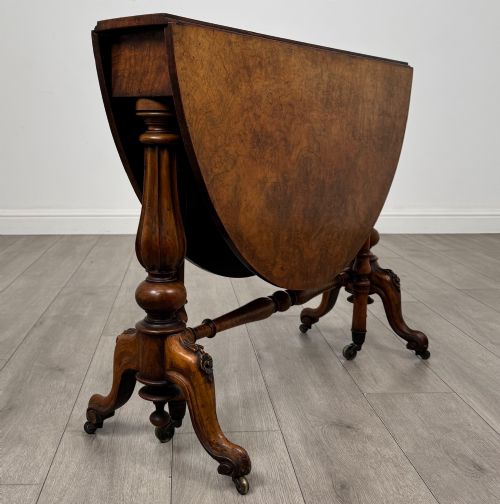
- A narrow drop-leaf table featuring exceptionally slender drop leaves supported by swing legs. This form folds down to a minimal footprint when not in use.
- Pembroke table
- A drop-leaf table with hinged flaps on either side and usually a single drawer. It gained popularity during the eighteenth and nineteenth centuries for versatile placement.
- Burr walnut
- A prized wood veneer sourced from the gnarled growths of walnut trees. It yields intricate, swirling grain patterns highly valued for table tops and cabinet fronts.
- Ebonised
- Wood treated to imitate ebony through staining or painting. This finish appears frequently on pieces influenced by the Aesthetic Movement.
Small Victorian Console Table: Frequently Asked Questions
What is a small victorian console table used for?
These tables provide a convenient surface for lamps, decorative objects, and correspondence in hallways or reception rooms where floor space is limited.
Their compact proportions allow them to sit flush against walls without obstructing pathways in smaller nineteenth-century domestic interiors.
How do I identify a sutherland table?
A Sutherland table is recognised by its very narrow central drop-leaf surface supported by hinged gate legs that swing outward.
When the leaves drop down vertically, the table occupies minimal depth, distinguishing it from wider drop-leaf dining or Pembroke tables.
What woods were used for these tables?
Cabinetmakers employed dense timbers such as mahogany, walnut, and oak for structural stability and durability across domestic settings.
Decorative surfaces frequently featured burr walnut or satinwood veneers, while secondary elements like drawer linings often utilised pine.
Are marble top console tables original?
Marble tops on nineteenth-century tables served as durable, heat-resistant surfaces for display and general use in hallways and reception spaces.
Makers fitted these stone slabs directly into timber frames, sometimes combining them with gilt or carved wooden bases.