

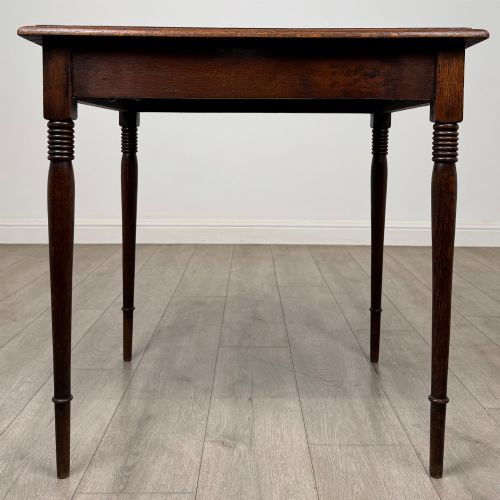
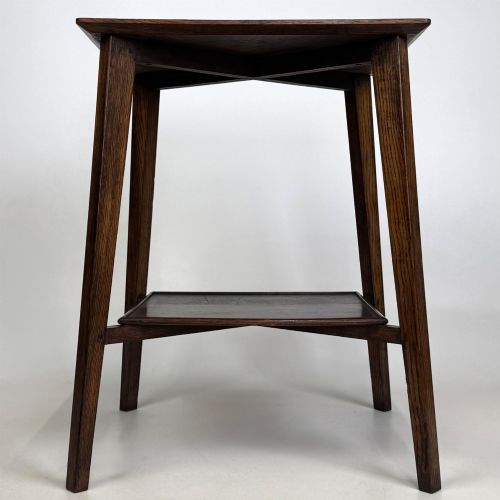
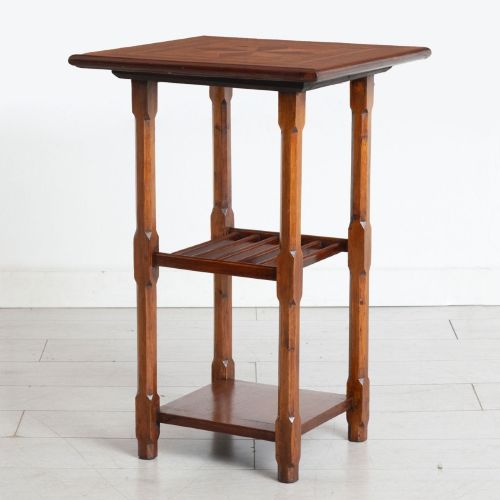
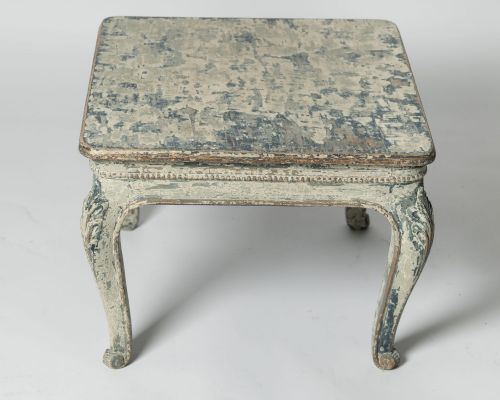


Small Square Table
A small square table brings practical surface space and period character into a room without dominating the floor.
Small Square Table
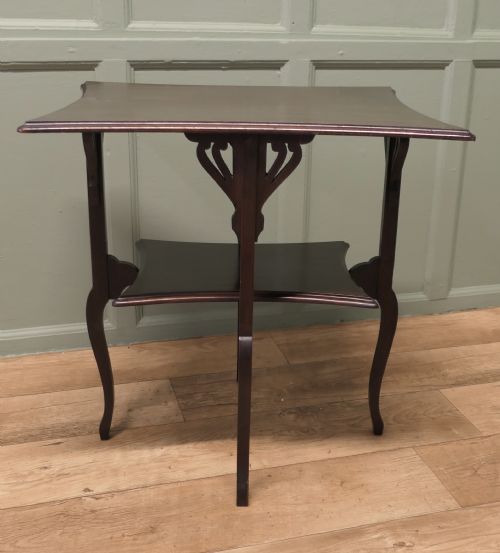
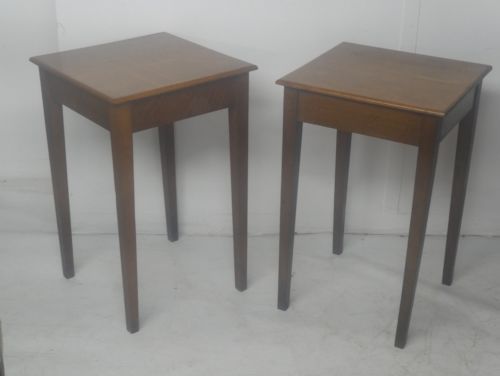
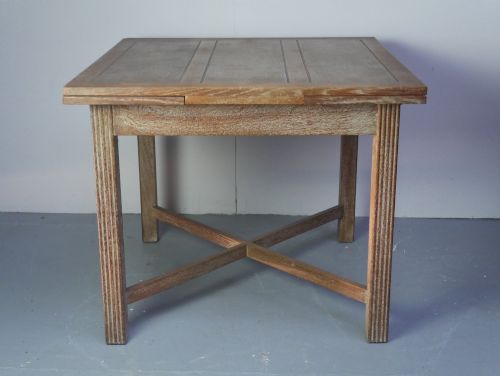
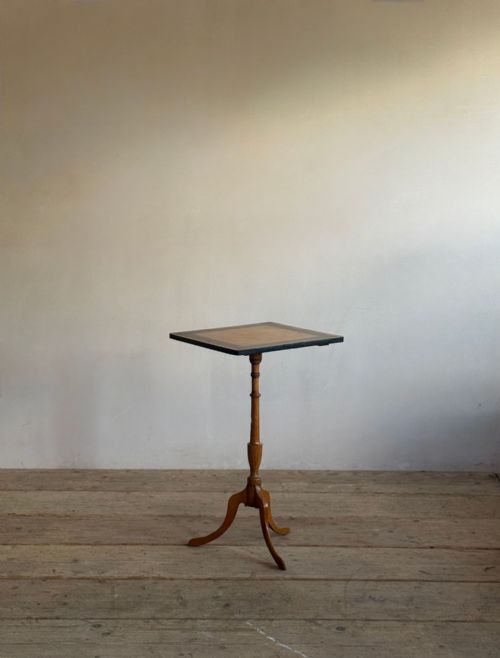
When you search for a small square table, you enter a diverse group of compact antique furniture spanning multiple periods from the Georgian era through to the Art Deco movement. These pieces serve primarily as occasional, lamp or side tables, offering modest proportions designed to fit snugly beside seating or into corners.
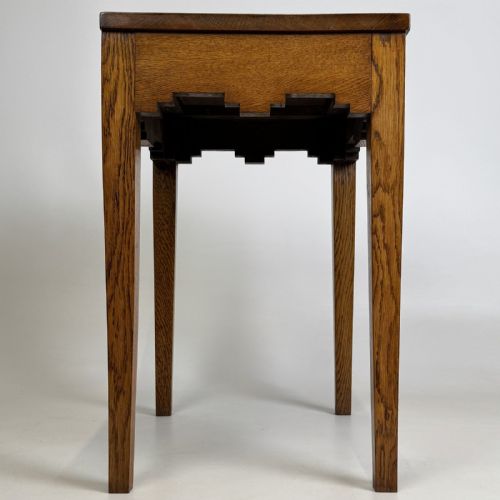
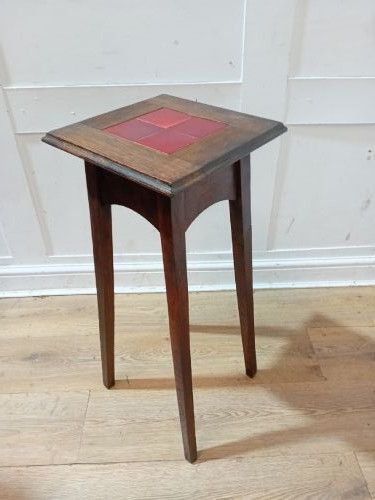
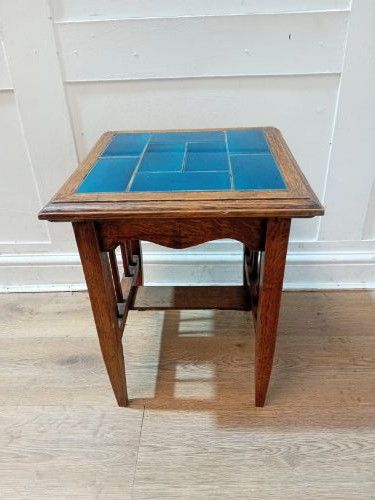
The selections available here lean heavily towards Edwardian and Arts and Crafts examples, alongside earlier nineteenth-century iterations. You will frequently encounter sturdy oak and rich mahogany formats, sometimes featuring supplementary functions like hidden drawers, ceramic tiles or folding leaves.
Materials and construction methods
Makers utilised a variety of timbers including oak, mahogany, walnut, satinwood, and fruitwood, often selecting wood based on the prevailing style of the period. Construction involved traditional joinery techniques, resulting in robust side and occasional tables designed for daily domestic use.
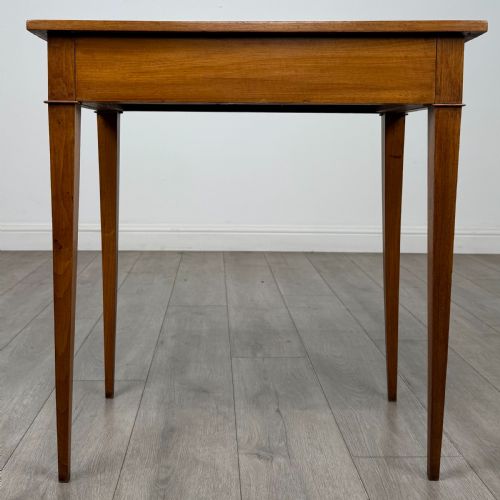
Surface ornamentation ranged from simple tapered legs and carved details to penwork decoration, paint, and inset ceramic tiles. Certain pieces incorporated brass fittings or turned supports, combining structural integrity with refined visual texture.
Small Square Table Retail Price Guide 2026
Typical asking prices for small square table among the pieces listed under this phrase on Sellingantiques today, from the lower quarter to the upper quarter. They describe what is for sale here now, not the wider market.
Some tables double as bookshelves or feature hidden compartments, proving that Victorians loved a secret hiding spot just as much as we do.
Assessing build quality and refinement
Quality in these compact tables rests upon the selection of timber figures, such as burr yew or figured mahogany, and the crispness of any carved or turned details. Better pieces display thoughtful proportion and tight, enduring joinery rather than merely utilitarian assembly.
The presence of secondary materials like inset ceramic tiles, subtle brass hardware, or integrated drawers elevates a piece from a basic utilitarian stand to a work of considered design. The integrity of the finish and the stability of the frame ultimately determine the enduring stature of the furniture.
Heals·Liberty of London·Baillie Scott
The Small Square Table Glossary
- Occasional table
- A small, movable table intended for intermittent use in a living space or bedroom. These pieces often function as lamp or side tables.
- Pembroke table
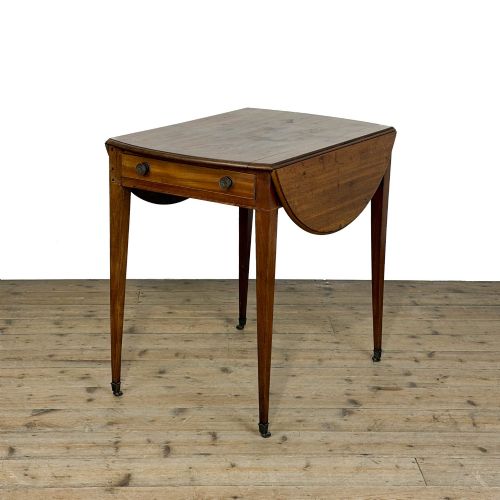
- A small table featuring drop leaves on two opposing sides, supported by hinged brackets or rule joints. It typically includes one or more small drawers.
- Tripod table
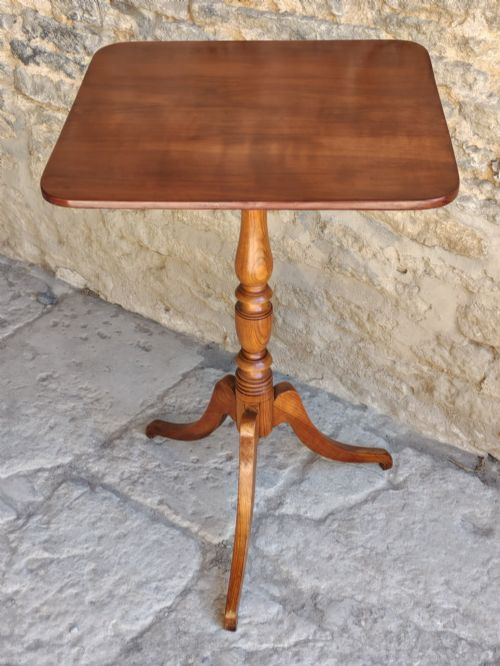
- A small standalone table supported by a central pillar resting on three legs. They frequently feature circular or shaped tops, though square variants appear.
- Penwork
- A decorative technique utilising ink applied to a wood surface to create intricate linear patterns and illustrations. It was often finished with a clear protective varnish.
- Inlay
- A decorative method where pieces of contrasting material, such as lighter woods or satinwood, are inserted into recessed areas of a base timber to form patterns.
Small Square Table: Frequently Asked Questions
Where should I place a small square table?
These compact items suit positions beside armchairs or sofas to hold lamps, books, or drinks. Their modest dimensions also allow them to function as display stands in narrow hallways.
Because they occupy minimal floor space, you can easily shift them between rooms as your domestic layout changes over time.
How do I identify the period of an antique table?
Dating relies on observing the combination of timber, structural joinery, and decorative style. Georgian and Regency pieces often display lighter proportions and refined tripod bases, while Arts and Crafts examples favour honest oak construction.
Consulting the listed period categories alongside construction details helps confirm whether a piece originates from the nineteenth or early twentieth century.
Were these tables used for dining?
While the majority of these listings comprise side, lamp, and occasional tables intended for general use, larger formats like Pembroke or kitchen tables served dining or food preparation purposes.
Compact square formats were generally reserved for holding objects or supporting lighting rather than formal seated meals.
How do I care for antique wood surfaces?
Maintain the timber by keeping tables away from direct heat sources and strong sunlight, which can dry out or fade the polished finish. Regular dusting with a soft, dry cloth preserves the patina.
Applying a quality beeswax periodically helps nourish older woods like oak and mahogany without building up heavy chemical residues.