



Small Marble Top Cabinet
A small marble top cabinet brings stone and timber together in a compact footprint, offering a durable surface for daily use.
Small Marble Top Cabinet
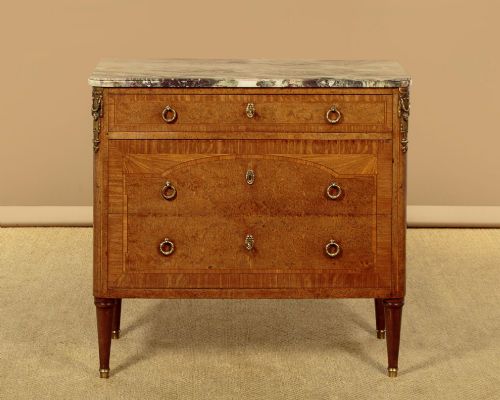
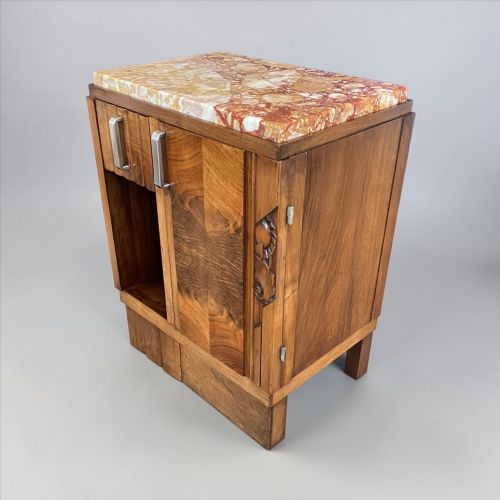
A small marble top cabinet combines useful storage with a cold stone surface, appearing in forms such as bedside tables, pot cupboards, and commodes. You will frequently encounter French designs from the nineteenth century alongside Art Deco examples from the nineteen thirties.
Makers shaped these pieces from woods like mahogany, walnut, kingwood, and fruitwood, often fitted with marble tops in white, grey, or green. The selection ranges from serpentine commodes to bedside cabinets and corner cupboards.
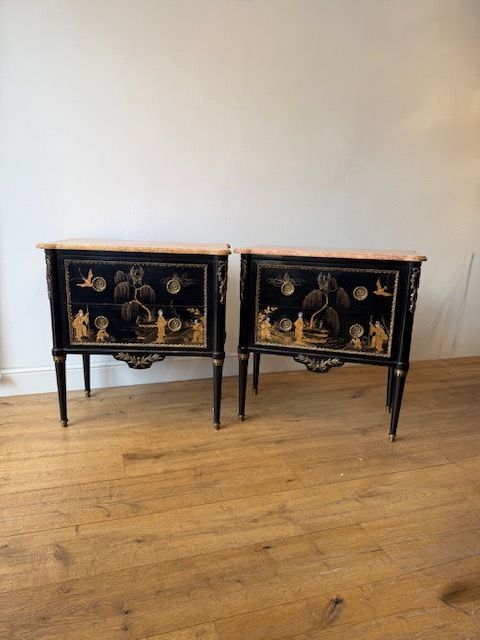
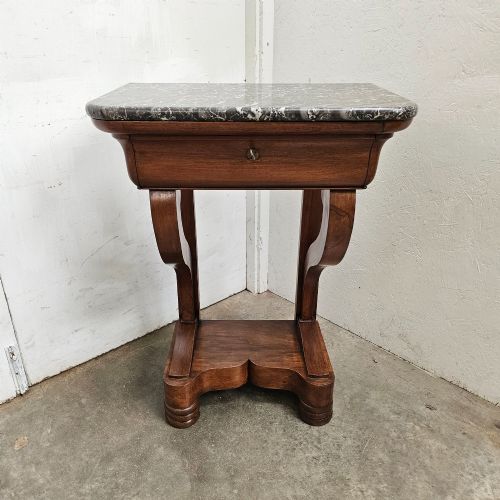
Many of these pieces originate from France, bringing continental styles such as Louis XV, Louis XVI Chinoiserie, and Louis Philippe into domestic rooms. They serve well beside a bed or in a hallway where surface space matters.
Materials and construction
Cabinetmakers constructed the carcases from solid timbers or applied fine veneers including kingwood, tulipwood, and satinwood over secondary woods. Slabs of marble were then shaped and polished to sit precisely on the timber frames.
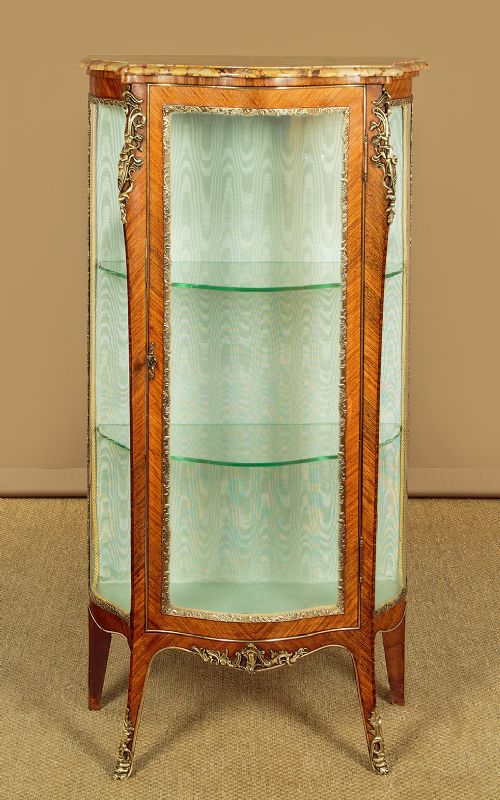
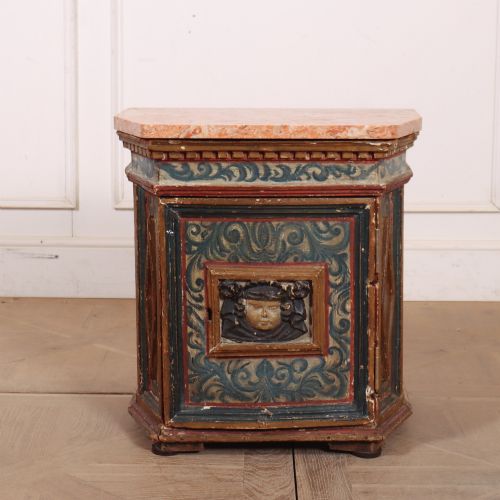
Decorative mounts in ormolu and handles in brass add metallic detail to the wooden surfaces, while painted finishes appear on specific Italian and chinoiserie items. Joinery methods relied on traditional drawer construction and close-fitting door panels.
Small Marble Top Cabinet Retail Price Guide 2026
Typical asking prices for small marble top cabinet among the pieces listed under this phrase on Sellingantiques today, from the lower quarter to the upper quarter. They describe what is for sale here now, not the wider market.
Pot cupboards once hid chamber pots behind miniature doors, now quietly storing modern clutter instead.
Distinctions in quality
The finesse of the timber veneers and the matching of grain patterns across drawer fronts set finer examples apart from simpler pieces. Hand-cut mounts and the thickness of the marble slab further indicate the standard of production.
Proportion and the restraint of decorative carving dictate visual balance, where well-executed bombé curves or subtle marquetry display the skill of the original workshop.
The Small Marble Top Cabinet Glossary
- Bombé
- A swelling or outward curving commode or cabinet front popular in continental furniture. This bulging profile requires advanced woodworking skill to shape accurately.
- Ormolu
- Gilded bronze mounts applied to furniture for decoration. These metal additions catch the light and accent the corners and aprons.
- Pot Cupboard
- A small bedside cabinet originally designed to house a chamber pot. These compact units usually feature a single door and a marble surface.
- Vitrine
- A glass-fronted display cabinet used for showing porcelain and small objects. These pieces raise glazed panels above timber bases.
Small Marble Top Cabinet: Frequently Asked Questions
What is a small marble top cabinet used for?
These cabinets function primarily as bedside tables or small storage units in hallways and living spaces. The stone surface provides a practical, wipe-clean area for lamps or glasses.
Their compact scale allows them to fit into tight corners while offering enclosed shelving or drawer space for small items.
How do I clean the marble top?
Use warm water and a soft cloth with mild, non-acidic soap to wipe down the stone surface. Avoid vinegar or lemon juice, which etch polished marble.
Dry the top thoroughly after washing to prevent water marks from settling into the porous stone.
Are these cabinets purely French?
While a large portion of the available pieces originate from France in styles like Louis XV and Louis Philippe, Italian and Art Deco examples also appear. Each region brought distinct local timbers and aesthetic preferences to the design.
Check the secondary woods and construction details to understand the likely geographic origin of an unmarked piece.
How do I date a marble top cabinet?
Examine the construction of the drawers, the types of wood used for the carcase, and the decorative style of the mounts. Nineteenth-century pieces often display hand-cut dovetails and distinct patination on the timber.
Nineteen-thirties Art Deco items show geometric lines and different veneer choices compared to earlier Victorian or Edwardian productions.