

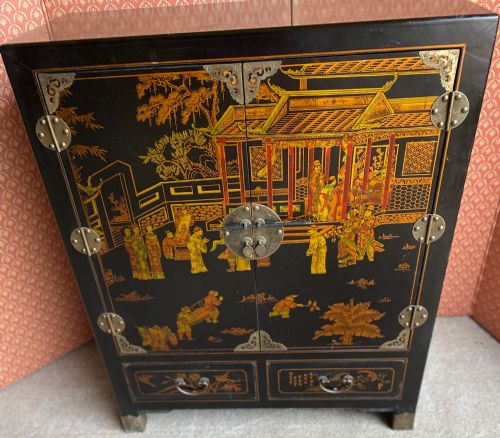
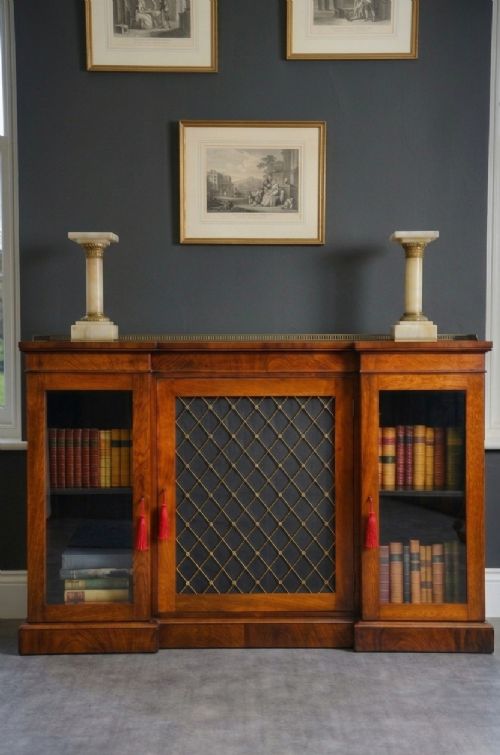
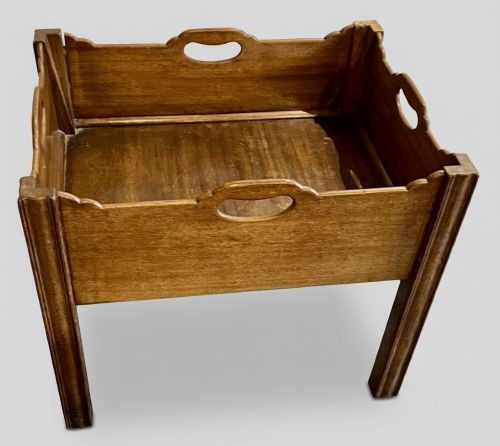
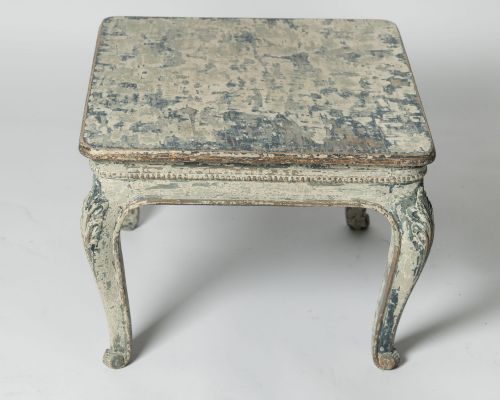


Small Low Table
A small low table brings functional surface space to a room without overwhelming the proportions of the interior.
Small Low Table
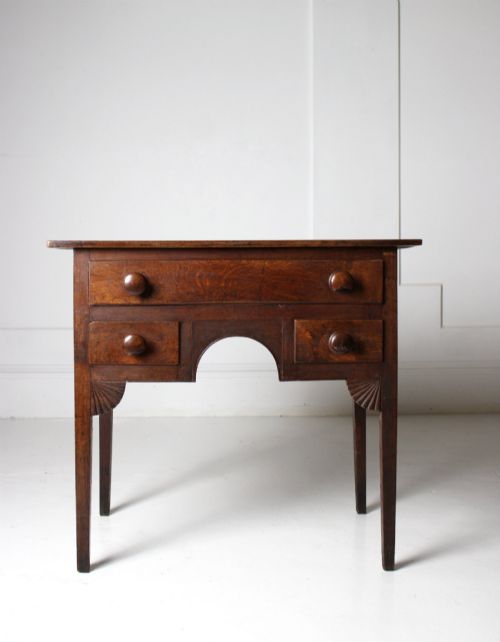
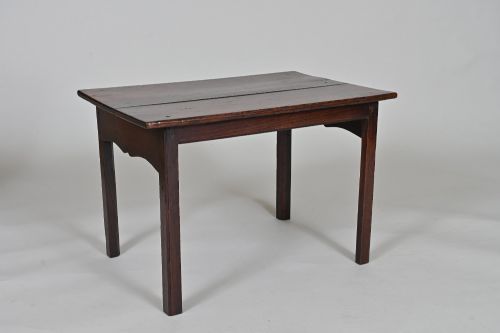
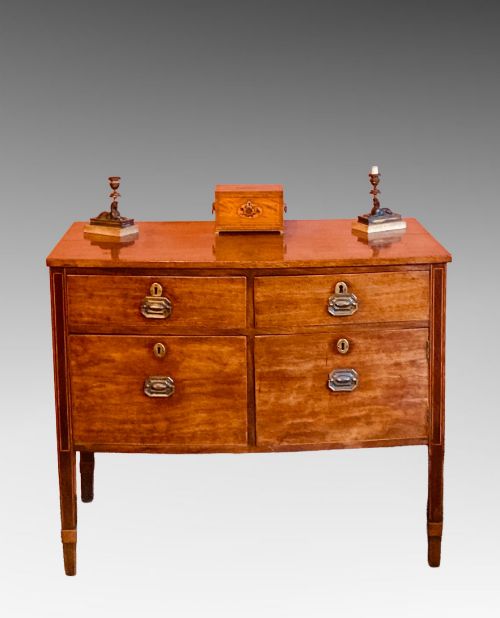
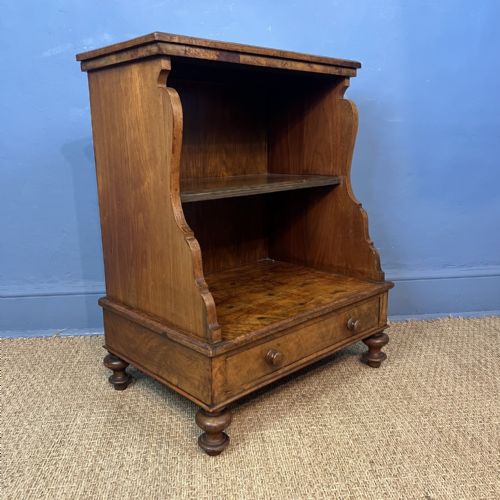
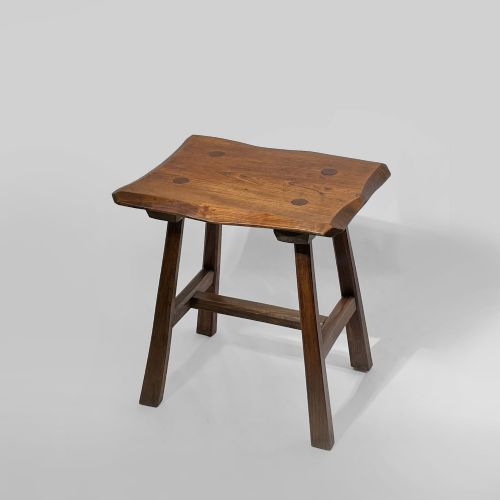
A small low table serves domestic spaces in various forms, including coffee tables, side tables, lowboys, and stools adapted for surface use.
The pieces appearing on this page span several eras, notably the Edwardian period, the nineteenth century, and the early twentieth century, constructed in traditional timber forms.
Buyers seeking a small low table frequently encounter oak and walnut examples, alongside elm, fruitwood, and pine pieces originating from domestic workshops and regional cabinet makers.
Materials and Construction
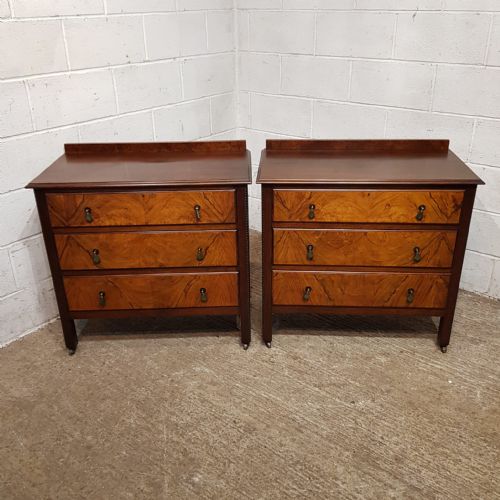
Cabinet makers utilised solid hardwoods such as oak, walnut, and elm, often selecting burr veneers to create decorative patterns on tabletops.
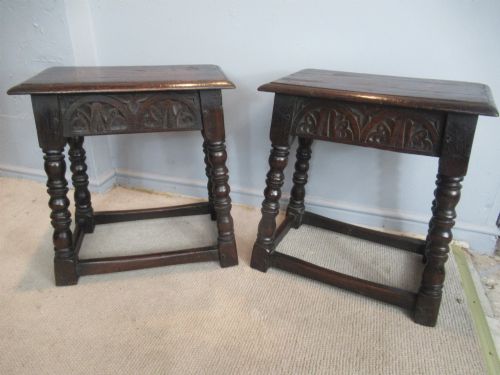
Joining methods relied on traditional carpentry, from joint stool framing and gateleg mechanisms to turned bulbous legs and carved details.
Small Low Table Retail Price Guide 2026
Typical asking prices for small low table among the pieces listed under this phrase on Sellingantiques today, from the lower quarter to the upper quarter. They describe what is for sale here now, not the wider market.
The listings feature oak, walnut, elm, pine, and fruitwood across pieces spanning the Victorian, Edwardian, and Regency periods.
Distinguishing Quality
The standard of a small low table depends on the selection of timber figure, such as burr walnut or figured grain, and the integrity of the original joints.
Finishing details like hand-carved ornamentation, chequered inlay work, and the retention of original surface patination elevate certain examples above standard utilitarian pieces.
Liberty and Co
The Small Low Table Glossary
- Lowboy
- A small eighteenth-century or nineteenth-century dressing table or side table featuring drawers beneath the surface. These proportions suit modern placement as low occasional surfaces.
- Gateleg table
- A table with hinged flaps supported by swing legs that fold out to expand the surface area. Many examples survive in oak from the early twentieth century.
- Burr walnut
- Wood grain taken from a walnut tree growth or knot, displaying intricate swirling patterns. Cabinet makers prized this material for veneering prominent tabletops.
- Joint stool
- A sturdy wooden stool constructed with mortise and tenon joints, frequently utilised in early periods as a low platform or small surface.
Small Low Table: Frequently Asked Questions
Where should I place a small low table?
These pieces fit comfortably beside seating arrangements in a drawing room or study, functioning as a surface for lamps or books.
Their compact proportions also suit smaller bedrooms as bedside stands or low display platforms.
How do I identify an Edwardian small low table?
Edwardian pieces often display revived historical motifs, lighter oak or walnut timbers, and domestic utility suited to early twentieth-century homes.
Details like bulbous legs and chequered wood top inlays frequently distinguish this era from heavier nineteenth-century furniture.
Are these tables sturdy enough for daily use?
Solid hardwood construction in oak, elm, and walnut provides robust support for everyday domestic items.
Traditional joinery ensures structural stability, though older surfaces benefit from coasters and careful handling.