

Small Linen Cupboard
These small linen cupboards combine practical storage with compact proportions, offering traditional craftsmanship that suits modern rooms.
Small Linen Cupboard
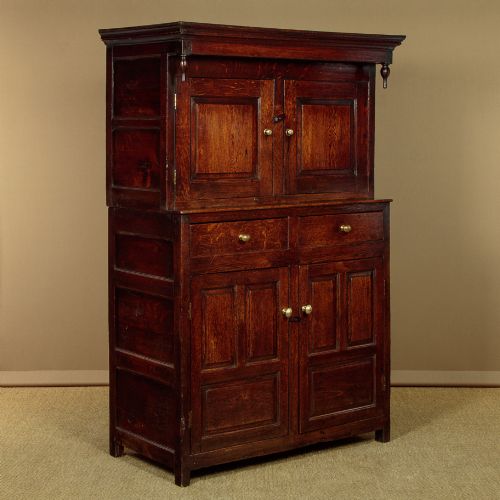
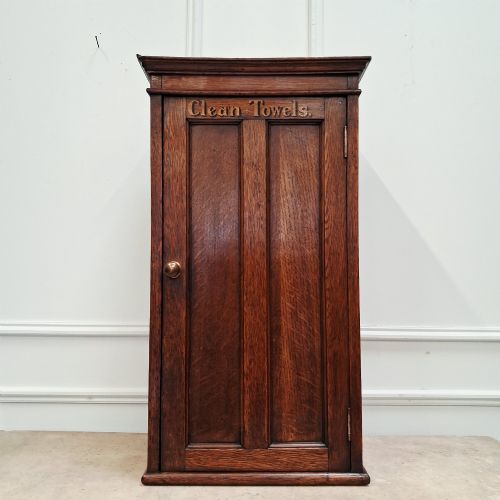
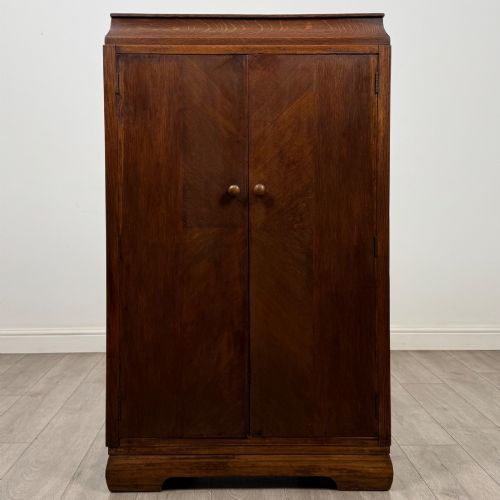
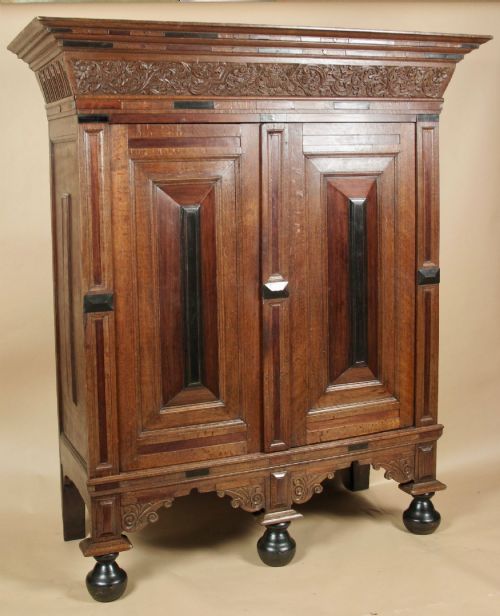
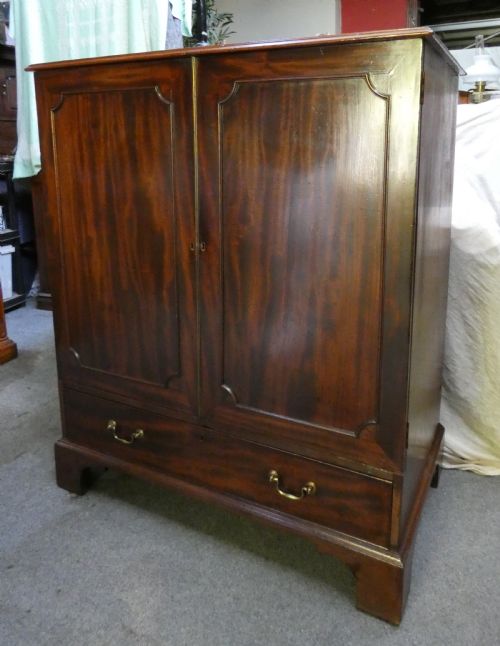
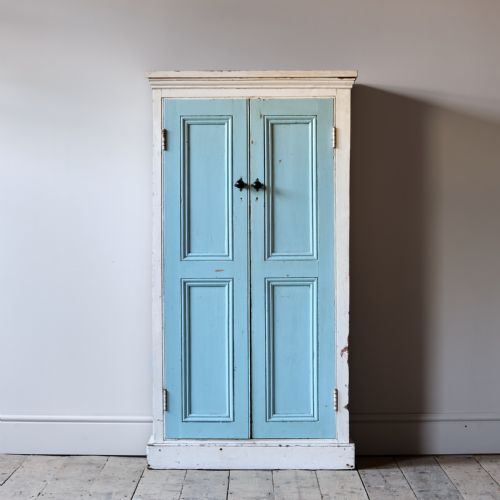
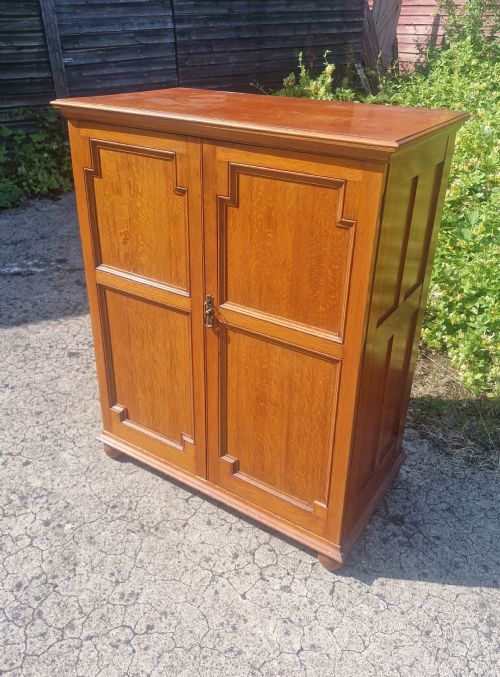
A small linen cupboard provides functional storage scaled for restricted floor space, appearing across periods from the seventeenth century to the twentieth.
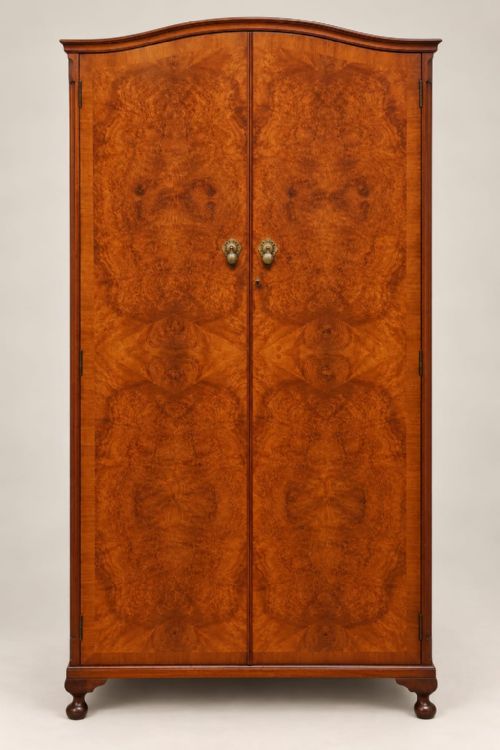
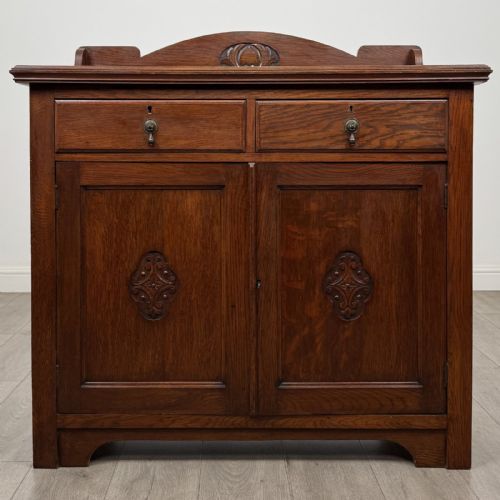
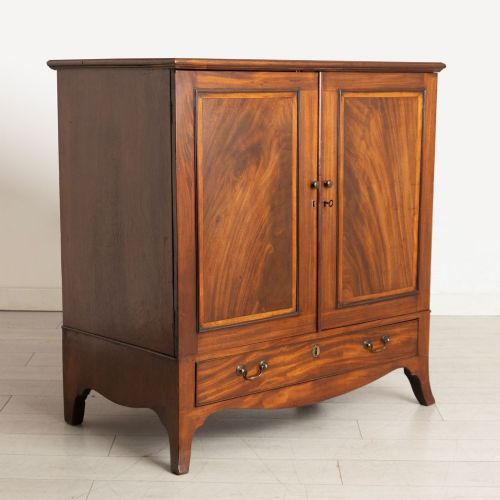
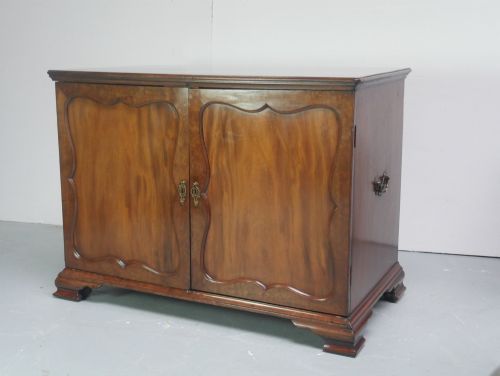
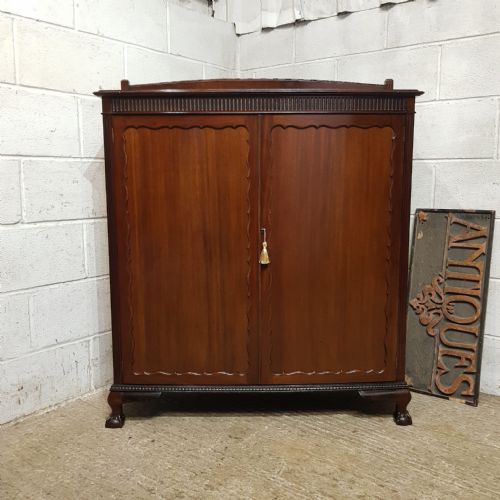
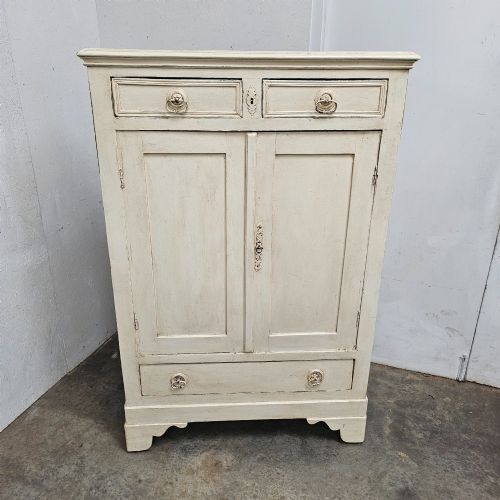
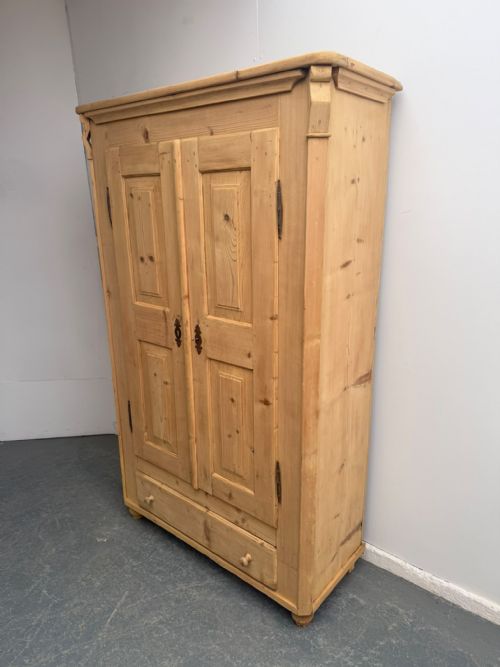
The selections range from Georgian mahogany presses and Welsh oak cupboards to Edwardian oak or mahogany wardrobes and painted French examples.
Buyers frequently encounter compact Edwardian or nineteenth-century variants designed as housekeepers cupboards, dwarf presses, or single-door wardrobes.
Determinants of quality
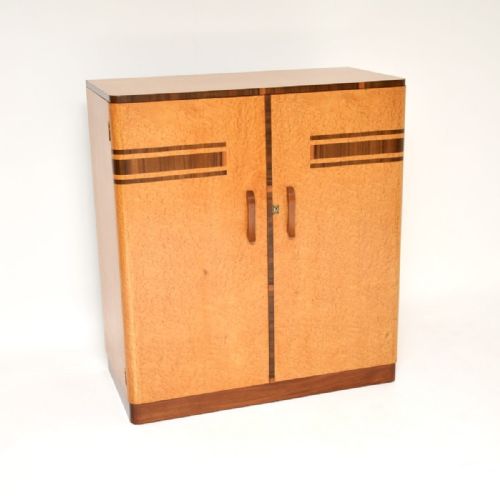
Quality rests upon the selection of timber and veneer, where figured grains and cohesive matching elevate the piece.
Refinement in proportion, original brass hardware, and the integrity of internal fittings distinguish superior examples from standard utility pieces.
Small Linen Cupboard Retail Price Guide 2026
Typical asking prices for small linen cupboard among the pieces listed under this phrase on Sellingantiques today, from the lower quarter to the upper quarter. They describe what is for sale here now, not the wider market.
The Small Linen Cupboard Glossary
- Linen press
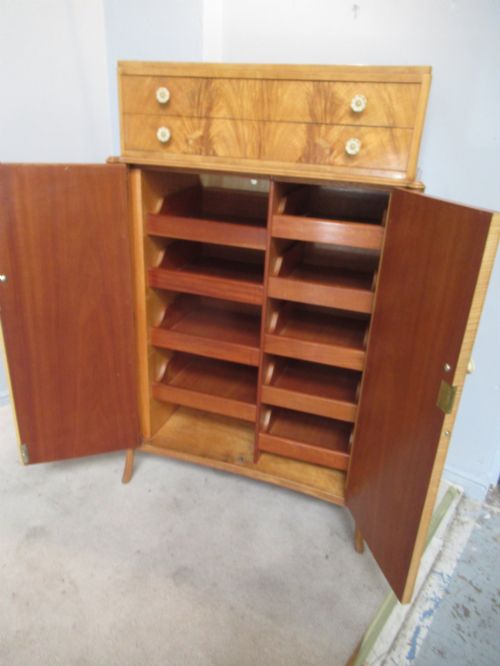
- A tall piece of furniture featuring upper doors enclosing sliding trays or shelves, typically with drawers beneath.
- Compactum
- A fitted wardrobe designed to maximise interior storage efficiency within a relatively small footprint.
- Crossbanding
- A decorative border of veneer laid perpendicular to the grain of the primary surface.
- Dwarf press
- A low-standing cupboard combining vertical storage with reduced overall height.
Small Linen Cupboard: Frequently Asked Questions
Where were small linen cupboards used?
These cupboards served primarily in bedrooms, landings, and dressing rooms to store household linens, bedding, and garments out of sight.
Their compact proportions allowed them to fit into smaller chambers where full-sized wardrobes proved impractical.
How do I date a wooden cupboard?
Dating relies on identifying the primary timber, construction techniques, and decorative styles characteristic of specific eras such as Georgian or Edwardian.
Secondary woods, handles, and internal arrangement provide further clues to the period of manufacture.
Can these cupboards hold modern clothes hangers?
Many older pieces were built for folded linens or pull-out trays rather than contemporary hanging rails.
Buyers should check internal depths to determine whether garments can hang front-to-back or if modification is necessary.
What is the difference between a press and a wardrobe?
A press traditionally houses sliding linen trays in the upper section above base drawers, whereas a wardrobe provides vertical hanging space.
Many listings blur these distinctions due to historical variations in terminology.