


Small Hall Stand
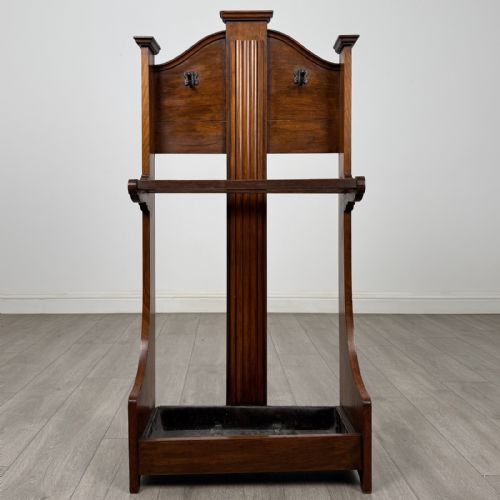
A small hall stand holds coats and umbrellas in a narrow entrance, keeping the hallway orderly.
Small Hall Stand
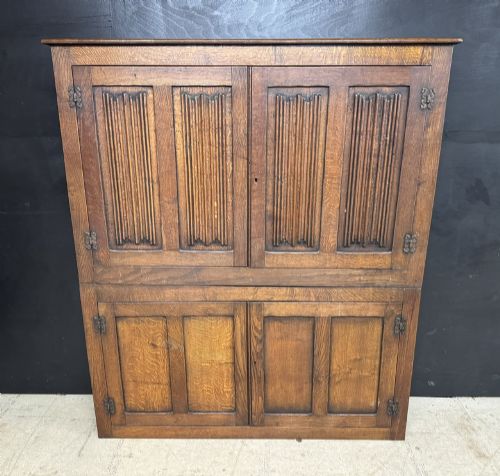
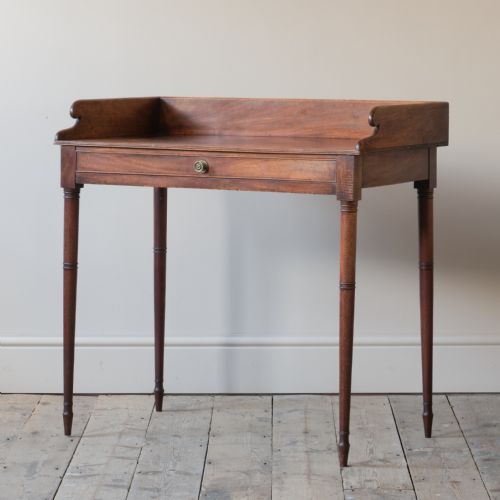
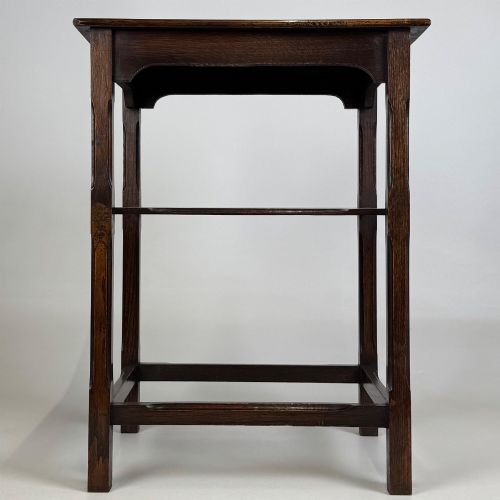
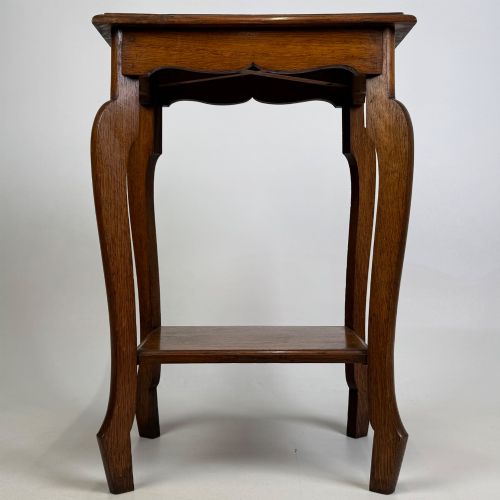
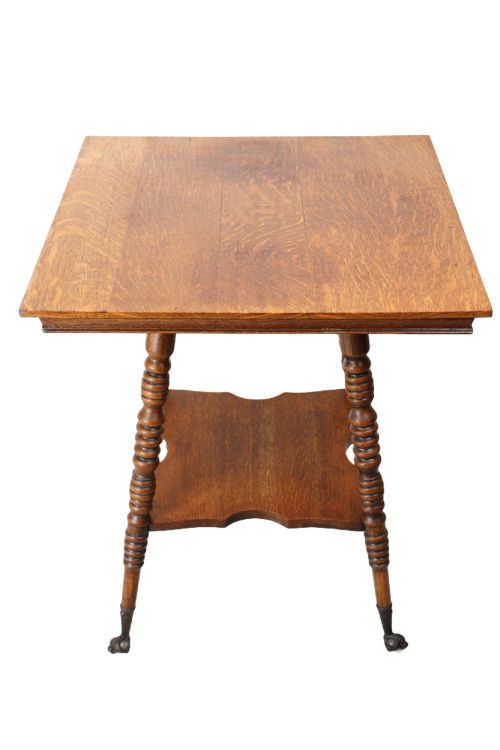
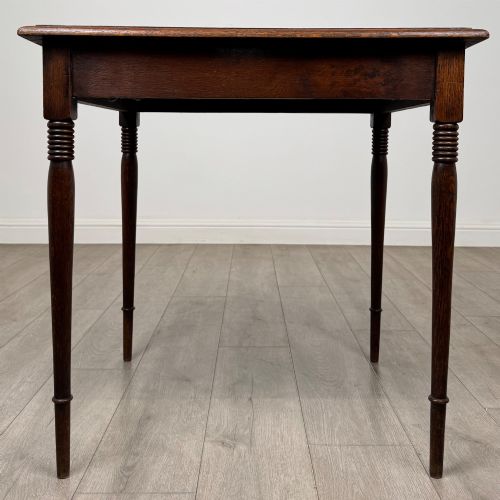
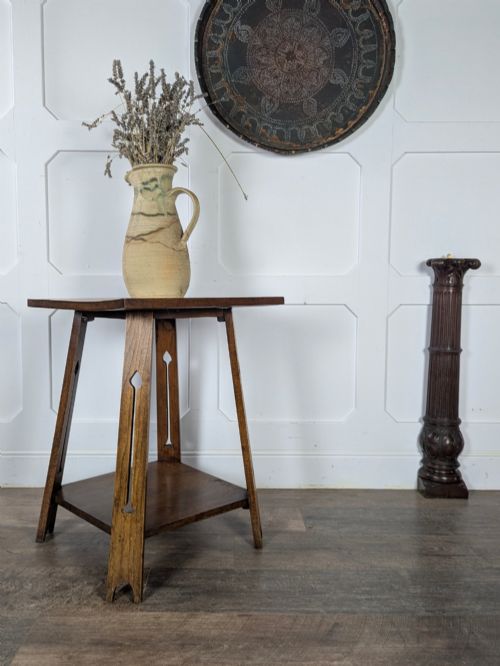
A small hall stand is a compact entryway piece designed to hold coats, hats, and umbrellas without dominating a narrow hallway. When searching for a small hall stand, buyers encounter pieces originating from the Edwardian period and the late Victorian era.
The selection includes furniture built from oak and mahogany, often combining timber frames with metal fittings. These pieces provide practical storage for daily use in restricted spaces.
How they were made
These items are constructed primarily from solid oak and mahogany, utilising traditional joinery methods suited to hardworking domestic furniture. Walnut and fruitwood also appear among the timber choices.
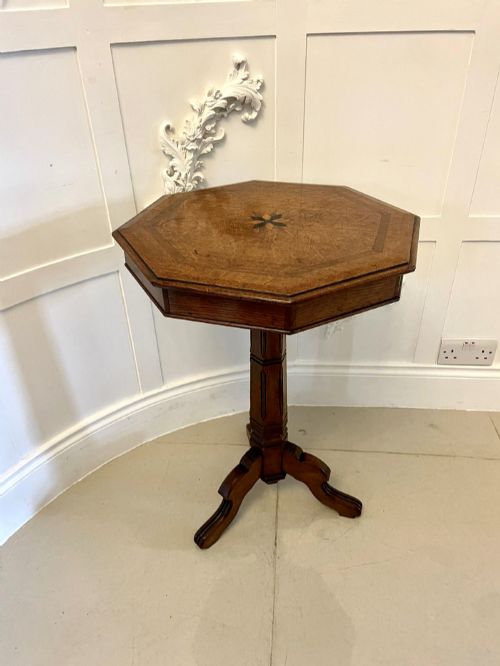
Metal components such as brass and cast iron form the structural hooks, umbrella wells, and drip trays. Wood inlay work and carved detailing frequently decorate the main wooden surfaces.
Small Hall Stand Retail Price Guide 2026
Typical asking prices for small hall stand among the pieces listed under this phrase on Sellingantiques today, from the lower quarter to the upper quarter. They describe what is for sale here now, not the wider market.
Materials span solid timber and metal, incorporating styles from Arts and Crafts to the Aesthetic Movement.
What varies in quality
The standard of timber selection and the crispness of the carving dictate the distinction between ordinary workshop output and finer examples. Heavier sections of solid oak or figured mahogany indicate more substantial construction.
The integrity of the metal hooks and the retention of original drip trays influence the overall completeness of the piece. Subtle variations in the execution of wood inlay and turned supports separate standard utility items from more ambitious designs.
The Small Hall Stand Glossary
- Edwardian
- Dating from the reign of King Edward VII, typically associated with lighter furniture forms and decorative wood inlay. Pieces from this era often utilise oak or mahogany.
- Aesthetic Movement
- A late 19th-century design style focusing on visual beauty rather than narrative meaning. It frequently incorporates bamboo and ebonised wood.
- Arts and Crafts
- A design movement emphasising handcraftsmanship and simple construction. This style is commonly seen on plain oak furniture from the early 20th century.
- Stick Stand
- A freestanding or wall-fixed holder for walking canes and umbrellas. These items are frequently made from cast iron or brass.
- Washstand
- A wooden bedroom table designed to hold a basin and jug, often fitted with a marble top or a low tiled back. They appear frequently alongside related occasional tables.
Small Hall Stand: Frequently Asked Questions
Where should a small hall stand go?
Place it immediately inside the main entrance to manage everyday outdoor gear like coats and umbrellas. The compact footprint fits narrow corridors where larger furniture obstructs passage.
Ensure there is sufficient wall clearance for hanging garments so they do not block the walkway.
How do I care for wooden hall furniture?
Dust the timber regularly with a dry cloth and apply occasional beeswax to maintain the finish. Avoid placing the piece directly against heating radiators to prevent the wood from drying out.
Keep metal drip trays clean and dry to prevent moisture damage to the surrounding floor and base.
What periods do these stands come from?
Most examples date from the Victorian and Edwardian periods, alongside late 19th-century and early 20th-century items. These eras favoured functional hallway furniture built from oak and mahogany.
Construction styles reflect the prevailing tastes of those decades, ranging from plain utility pieces to carved Arts and Crafts designs.
Can I use a stick stand for umbrellas?
Stick stands are specifically built to store walking canes, umbrellas, and parasols safely upright. Metal trays at the base catch dripping rainwater from wet canopies.
They offer an organised alternative to tossing wet umbrellas into a corner.