

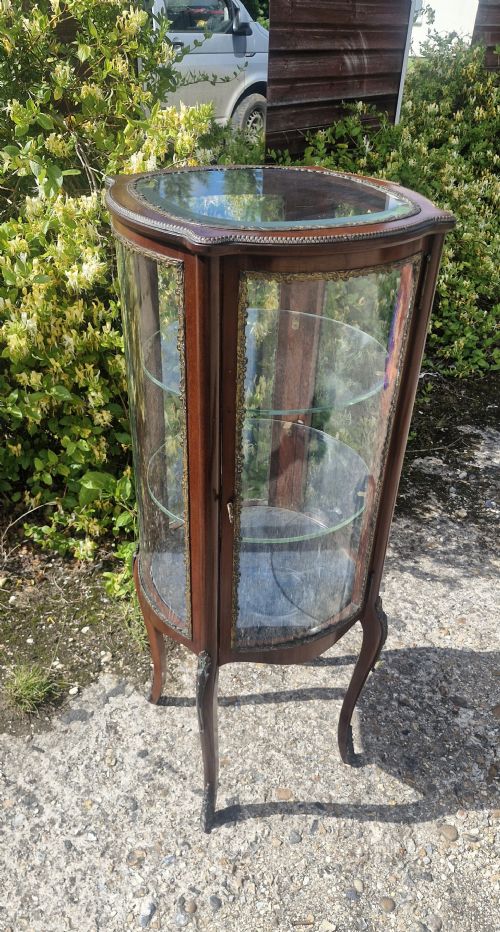


Small Glazed Curio Cabinet
A small glazed curio cabinet brings together glass and timber to hold delicate collections safely in plain sight.
Small Glazed Curio Cabinet
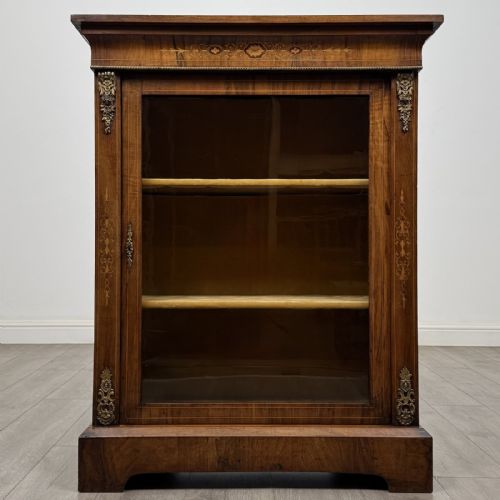
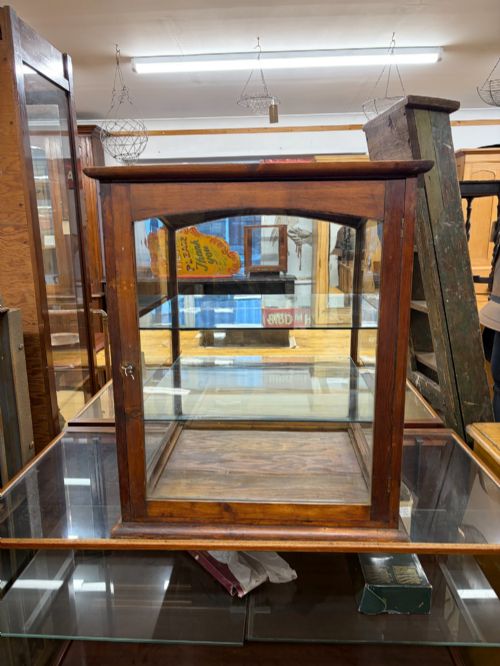
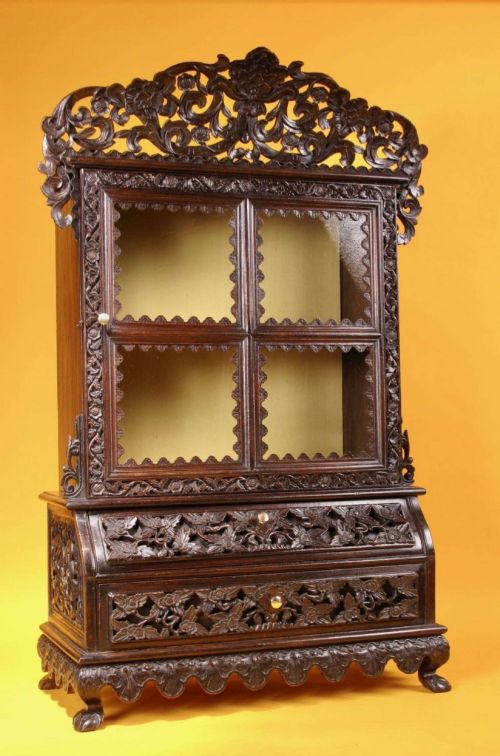
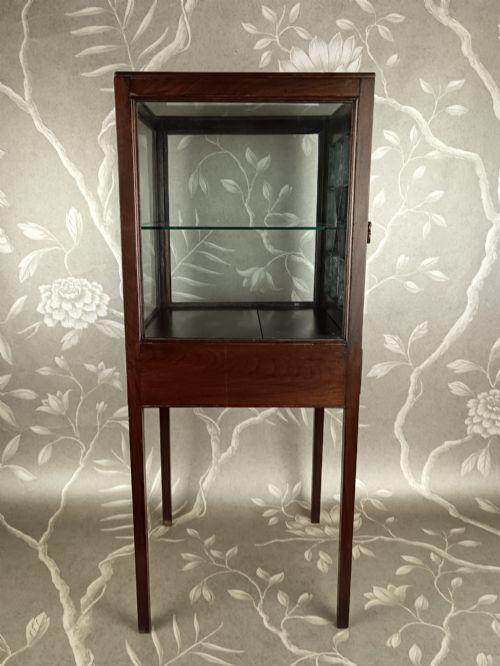
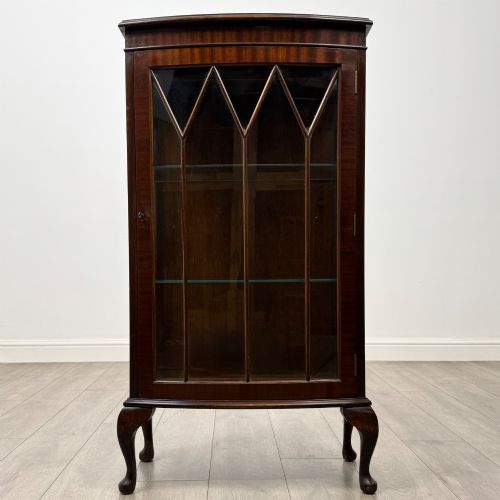
A small glazed curio cabinet serves to display precious objects while keeping dust at bay. These pieces range from miniature wall cases to table-top vitrines and slender floor-standing cabinets.
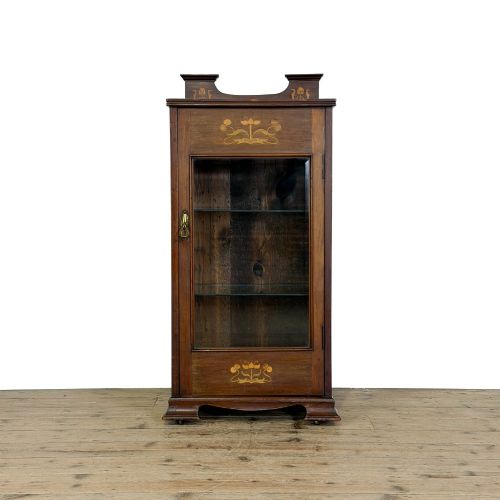
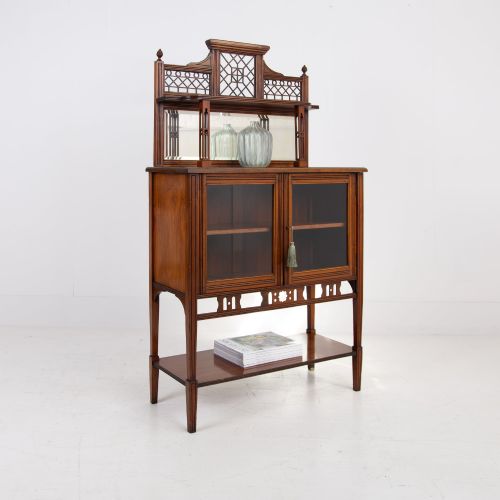
Edwardian and Victorian examples dominate the selection, often rendered in mahogany with satinwood crossbanding or delicate inlay. Georgian and 18th-century forms appear alongside later Edwardian interpretations.
Buyers frequently encounter bijouterie tables and glass display cases designed specifically for tabletop or surface presentation. Wall cabinets and hanging variations offer alternative display options for compact rooms.
Materials and construction
Mahogany provides the structural foundation for many pieces, frequently paired with satinwood crossbanding, kingwood, or burr walnut veneers. Glass panels form the viewing windows, set into timber frames or held by gilt metal mounts.
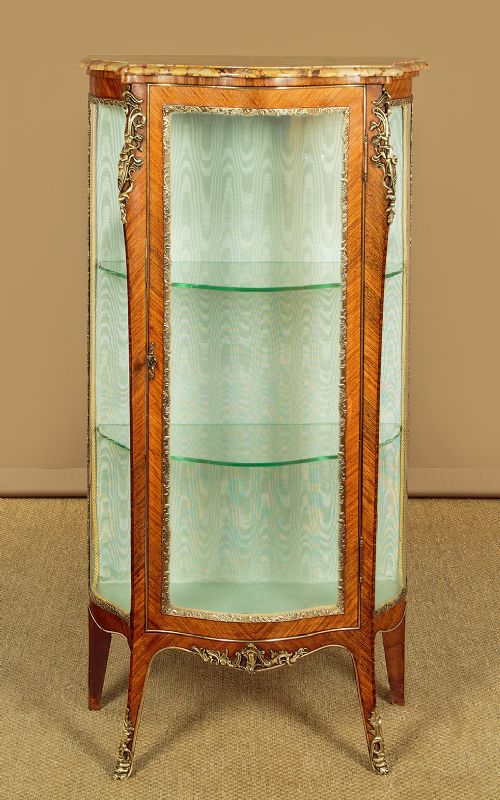
Brass hardware secures the doors and lids, while interior surfaces often feature fabric or velvet linings to cushion displayed items. Ormolu mounts and mirror glass add decorative reflection to specific French and English styles.
Small Glazed Curio Cabinet Retail Price Guide 2026
Typical asking prices for small glazed curio cabinet among the pieces listed under this phrase on Sellingantiques today, from the lower quarter to the upper quarter. They describe what is for sale here now, not the wider market.
Several pieces include velvet linings originally intended to cushion pocket watches from the eager vibrations of late Victorian drawing rooms.
Gradations in quality
Superior examples show meticulous timber selection, such as figured mahogany or intricate marquetry, matched with precise joinery in the door frames and glazing bars. Finer pieces incorporate cast ormolu mounts and original fabric linings that complement the timber grain.
Lesser items rely on plain veneers with simpler construction methods and replacement hardware. The crispness of the inlay and the clarity of the glass separate standard production cabinets from masterwork pieces.
The Small Glazed Curio Cabinet Glossary
- Vitrine
- A glass-fronted display cabinet used for showcasing porcelain, curiosities, and small valuables. These pieces often feature glazed sides to allow maximum light penetration.
- Bijouterie table
- A glass-topped display table designed to hold jewellery and small precious objects within a shallow glazed compartment. They frequently stand on slender legs with lower shelves.
- Marquetry
- Decorative veneer work created by fitting together small pieces of wood, shell, or ivory to form geometric or floral patterns. This technique appears prominently on Dutch and English cabinet doors.
- Ormolu
- Gilded bronze mounts applied to furniture for decorative enrichment. The finish provides a metallic contrast to dark timbers like mahogany and rosewood.
- Satinwood
- A pale, lustrous timber utilised for contrasting stringing and crossbanding borders on dark cabinet furniture. It brings a bright decorative edge to Edwardian and Georgian designs.
Small Glazed Curio Cabinet: Frequently Asked Questions
What fits inside a small glazed curio cabinet?
These cabinets suit miniatures, pocket watches, small silver items, and delicate porcelain figurines. The interior space accommodates objects that benefit from close inspection.
Shallower wall cabinets hold flat items or very small collectibles, whereas tables and floor-standing vitrines take taller porcelain pieces.
How do I place a table top display cabinet?
Table top versions sit securely upon existing sideboards, chests of drawers, or sturdy tables. They elevate small collections to eye level without requiring floor space.
Ensure the supporting surface is level and stable to prevent any movement of the glass and timber structure.
How do I distinguish Edwardian cabinets from Victorian ones?
Edwardian cabinets tend to display lighter mahogany tones, subtle satinwood inlay, and refined neoclassical or Sheraton revival influences. They often feel lighter in overall proportion.
Victorian examples frequently utilise darker timbers, heavier carving, and more robust proportions associated with mid to late nineteenth-century tastes.
How should I clean the glass and wood?
Dust the timber regularly with a dry, soft cloth and apply quality beeswax sparingly to nourish the polished surface. Avoid silicone-based polishes that build up over time.
Clean the glass panels with a mild glass cleaner applied to a cloth rather than sprayed directly onto the surface, protecting the surrounding wood and fabric linings.