





Small Extension Table
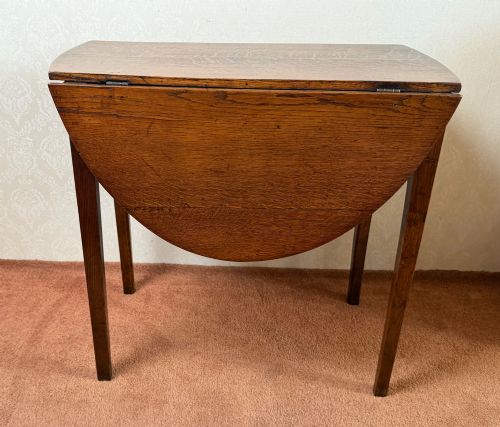
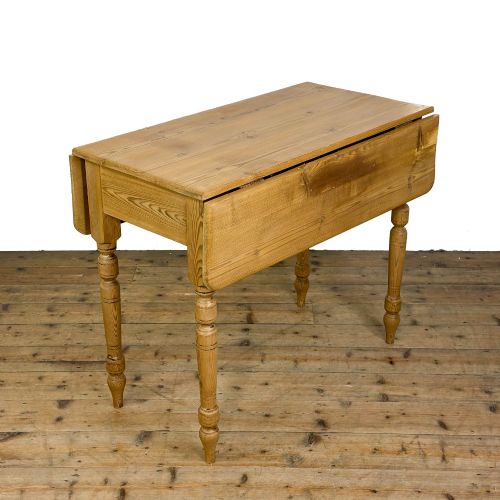
These small extension table pieces offer clever folding leaves and drop leaves to save space when shut, bringing useful timber surfaces to compact rooms.
Small Extension Table
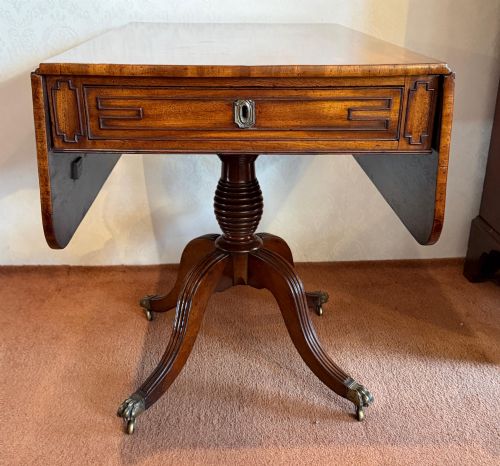
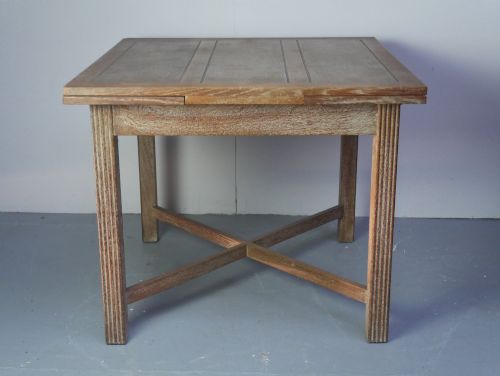
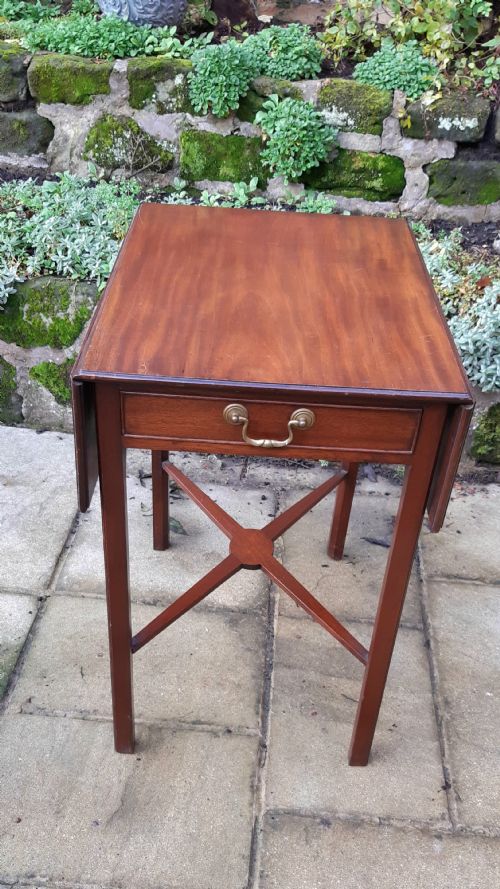
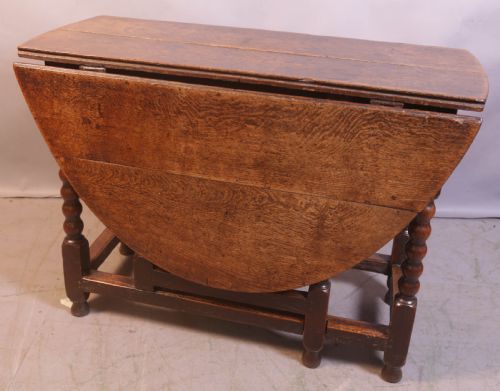
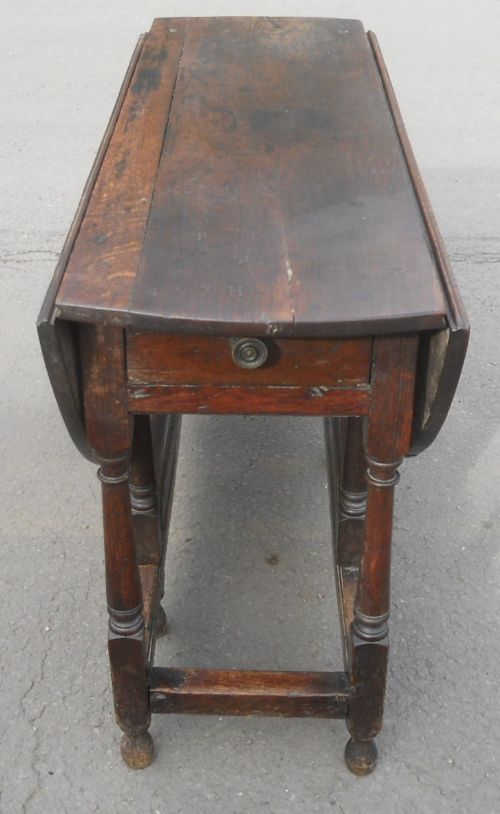
A small extension table brings together drop leaf designs, gateleg frames and pembroke tables built from timber like oak and mahogany across periods spanning the seventeenth century through to the nineteen-twenties.
The pieces on this page lean heavily toward oak drop leaf dining tables and mahogany breakfast or pembroke tables, offering functional surfaces that drop away when floor space is tight.
Makers and workshops from Georgian styles to Jacobean revivals shaped these items for everyday dining and occasional use in smaller chambers and kitchens.
How they were made
Cabinet makers relied on solid oak and mahogany for frames and tops, often selecting timbers with finely figured grain to highlight the natural surface.
Turning lathes shaped barley twist legs and central columns, whilst brass fittings and iron mechanisms supported folding leaves and gateleg pivots.
Finishes range from limed oak and bleached scrub tops to traditional polished mahogany and painted surfaces.
Small Extension Table Retail Price Guide 2026
Typical asking prices for small extension table among the pieces listed under this phrase on Sellingantiques today, from the lower quarter to the upper quarter. They describe what is for sale here now, not the wider market.
Current listings demonstrate a strong preference for oak and mahogany, spanning seventeenth-century gatelegs to nineteen-twenties revival dining tables.
What varies in quality
The distinction between ordinary pieces and the finest examples rests on the selection of timber, particularly where figured oak or rich mahogany shows depth and character.
Construction details such as sturdy gateleg framing, smooth hinge action and well-turned legs elevate certain tables above simpler utility items.
Heals
The Small Extension Table Glossary
- Drop leaf table
- A table with a fixed central section and hinged flaps on either side that fold down when not in use. These flaps are supported by swinging legs or brackets.
- Gateleg table
- A table featuring hinged legs that swing out like a gate to support drop leaves. This construction provides robust support for the extended surface.
- Pembroke table
- A small occasional or breakfast table with two hinged drop leaves on opposing sides. It frequently includes one or more small drawers.
- Barley twist
- A type of decorative wood turning resembling a corkscrew or spiral rope. It is commonly found on seventeenth-century pieces and later revival furniture.
- Scrub top
- A plain wooden tabletop designed for rigorous cleaning, often found on kitchen and utility tables. It shows the pale grain of scrubbed softwood or hardwood.
Small Extension Table: Frequently Asked Questions
What is a small extension table?
A small extension table is a compact dining or occasional furniture piece featuring folding leaves, drop leaves or gateleg actions. These mechanisms allow the user to expand or contract the surface area according to room requirements.
They appear in materials like oak and mahogany across periods from the seventeenth century to the early twentieth century, serving dual purposes as everyday dining spots and space-saving furniture.
How do drop leaf tables work?
Drop leaf tables use hinged joints connecting fixed central leaves to movable side flaps. When lowered, the flaps hang vertically to reduce the footprint of the furniture.
When raised, supporting legs swing outward from a gateleg frame or wooden brackets slide into position underneath to bear weight safely.
Where were these tables used?
Historically, compact dining tables and pembroke tables sat in smaller parlours, drawing rooms and kitchens where flexible space mattered. Their folding designs meant servants could tuck them against walls when meals finished.
Today, buyers place them in modern dining rooms, kitchens and apartments to achieve a traditional aesthetic without overwhelming limited floor areas.
How do I date an antique oak table?
Dating relies on examining construction methods, timber choice, turnings and hardware. Early seventeenth-century pieces often display heavy gateleg frames and hand-planed surfaces, while Jacobean revival pieces from the nineteen-twenties replicate those earlier styles with machine assistance.
Leg styles such as barley twists or tapered Regency legs also provide strong clues to the period of manufacture.