




Small Entry Table
These small entry table examples combine compact proportions with period character, offering a practical surface for narrow hallways and compact spaces.
Small Entry Table
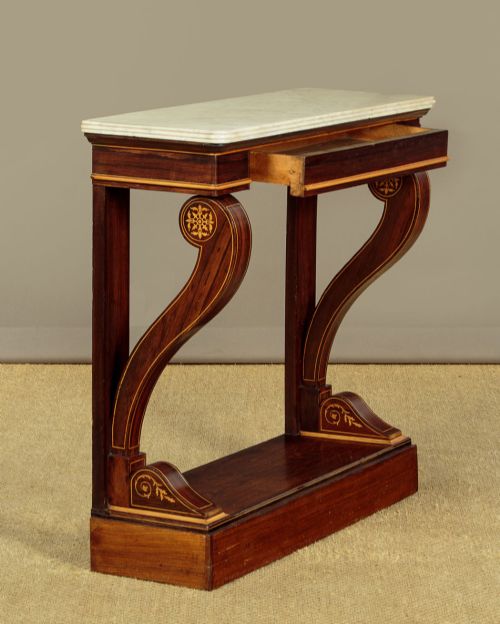
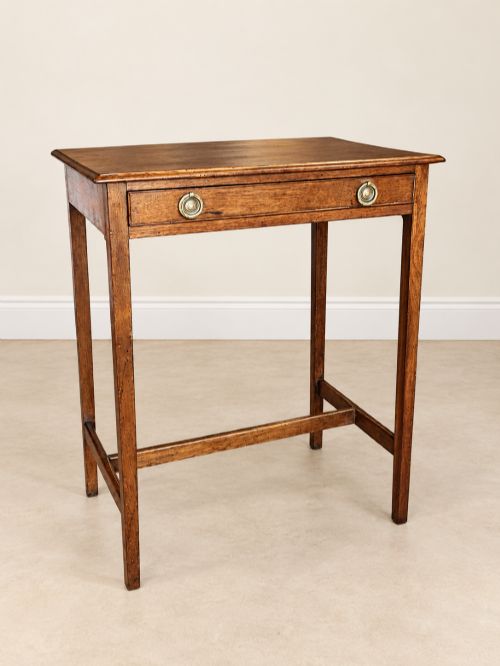
A small entry table serves as a functional surface in compact spaces, bringing period design into hallways and corridors. Buyers searching for a small entry table encounter various forms including console tables, side tables, hall tables, and lamp tables.
The selections available span periods from the nineteenth century through the Edwardian era and into the nineteen-twenties and nineteen-thirties. Victorian and Edwardian examples predominate, alongside earlier Regency and George III pieces.
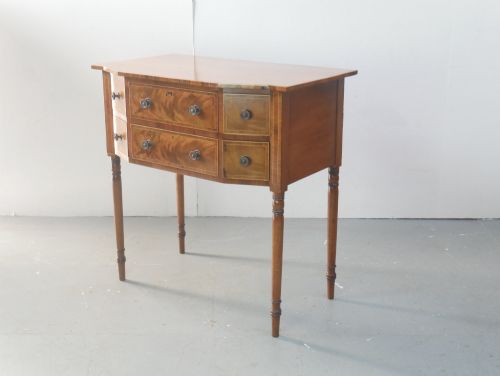
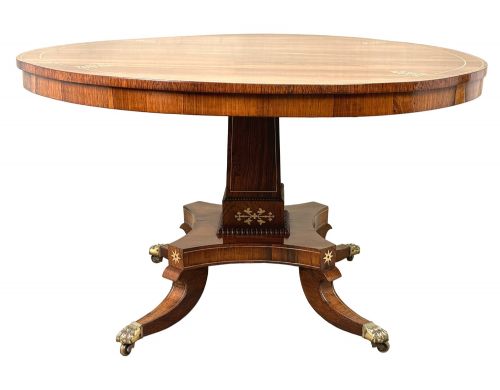
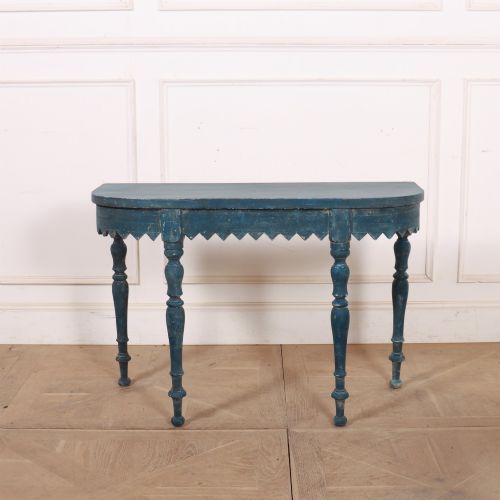
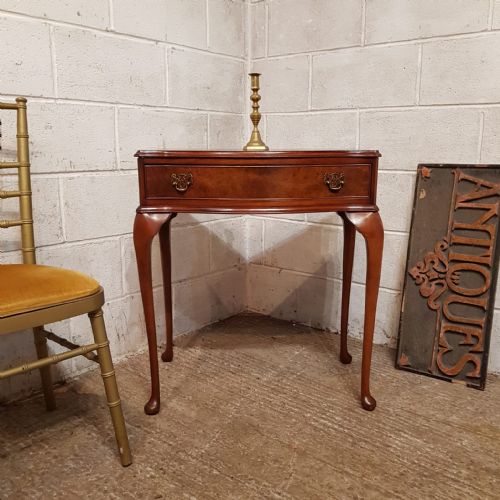
Forms range from serpentine and bow-fronted console tables to circular centre tables and narrow oak lamp tables. These diverse shapes allow the furniture to fit snugly against walls or within limited floor spaces.
Materials and construction methods
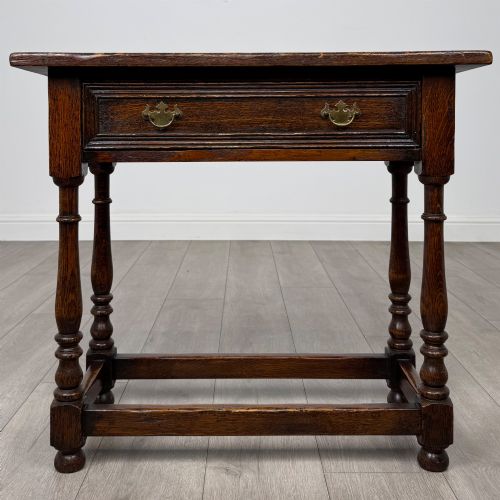
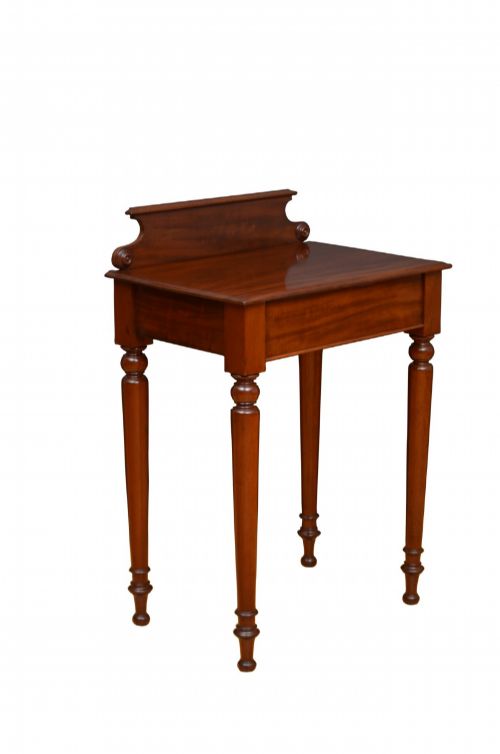
Cabinet makers utilised a variety of timbers including mahogany, oak, walnut, burr walnut, rosewood, and satinwood. These woods were often chosen for their rich grain patterns and durability.
Decorative details frequently include brass inlays and marble tops fitted to mahogany or burr walnut bases. Painted finishes also appear on several pieces, providing an alternative aesthetic to polished timber.
Construction techniques reflect traditional joinery suited to domestic furniture of the eighteenth, nineteenth, and early twentieth centuries. Drawers feature dovetailed construction while tabletops are secured to accommodate natural timber movement.
Small Entry Table Retail Price Guide 2026
Typical asking prices for small entry table among the pieces listed under this phrase on Sellingantiques today, from the lower quarter to the upper quarter. They describe what is for sale here now, not the wider market.
Several tables come with a matching pier mirror, proving that nineteenth-century house guests were expected to check their hats before entering.
Assessing quality in small furniture
Quality rests in the selection of timber veneers and the crispness of any inlaid brass work or carved detailing. Superior pieces display carefully matched grain patterns across tabletops and drawer fronts.
Proportion and balance define the better examples, ensuring that smaller dimensions do not compromise structural stability. The integration of secondary timbers and the finish applied to the surfaces indicate the level of craftsmanship involved.
Druce and Co
The Small Entry Table Glossary
- Console table
- A table designed to be fixed against a wall, frequently supported by legs at the front and secured to the wall at the back.
- Bow end
- A convex curved front edge typical of certain console and server tables.
- Burr walnut
- Timber taken from the wart or growth on a walnut tree, highly prized for its swirling, decorative grain patterns.
- Demi lune
- A half-moon shape used for table tops and furniture designed to stand flush against a flat wall.
- Centre table
- A freestanding table finished on all sides, intended to stand in the middle of a room rather than against a wall.
Small Entry Table: Frequently Asked Questions
What is a small entry table used for?
These tables provide a convenient surface for placing keys, correspondence, and decorative items near a doorway. Their compact dimensions make them suitable for narrow hallways and reception areas where floor space is limited.
They also function as lamp tables or occasional surfaces in sitting rooms and bedrooms. The inclusion of drawers in certain models offers discreet storage for small household items.
How do I identify a Victorian small entry table?
Victorian pieces often utilise dense timbers like mahogany and walnut, frequently featuring turned legs or detailed drawer construction. The proportions tend to be sturdy and functional.
Examining the secondary woods inside drawers and the type of fixings used helps confirm the nineteenth-century origin. Stylistic cues such as heavy mouldings or brass pulls further assist in period identification.
Where should I place a console table?
Console tables are designed to stand against a flat wall, often in an entrance hall or reception room. Because they are shallow in depth, they do not obstruct walkways.
Some examples are paired with matching mirrors to create a cohesive focal point upon entering a home. Placing a lamp or small vase on top completes the arrangement.
What is the difference between a side table and a console table?
A console table is traditionally supported at the front by legs and secured to the wall for stability. Side tables are freestanding pieces with four legs designed to stand independently.
Both serve similar practical purposes in a hallway or living space, but their underlying structural support differs.