
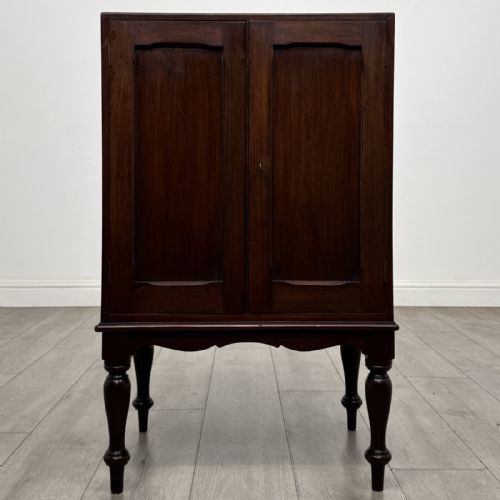
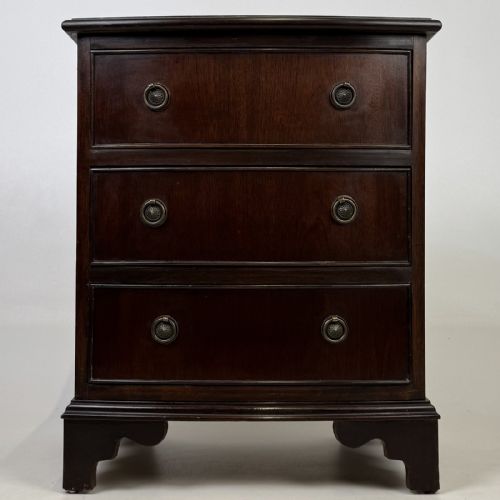
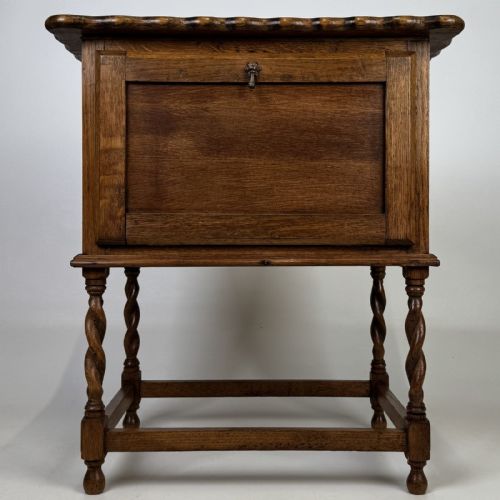
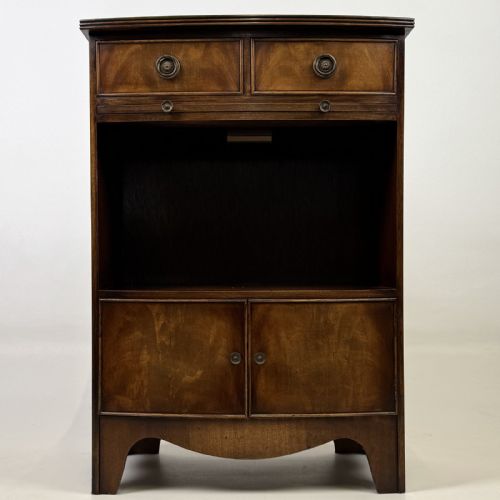
Small Edwardian Cabinet
A small edwardian cabinet offers compact storage and display, bringing domestic practicality and refined period timber into any room.
Small Edwardian Cabinet
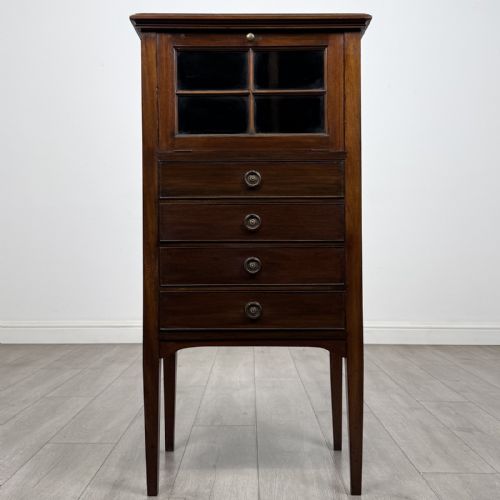
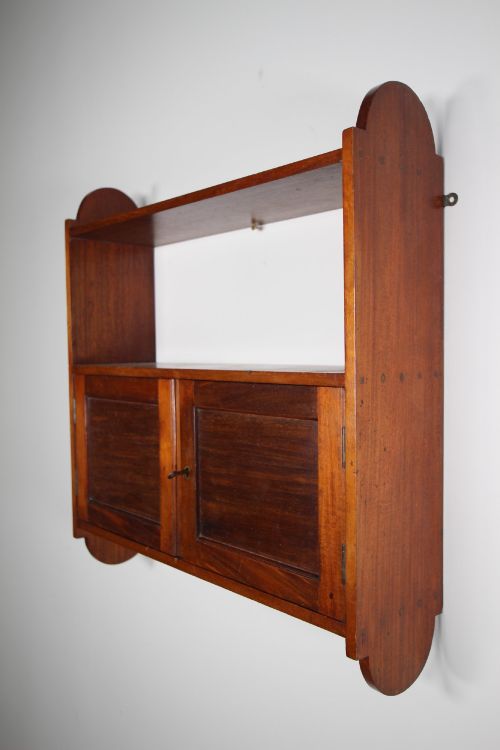
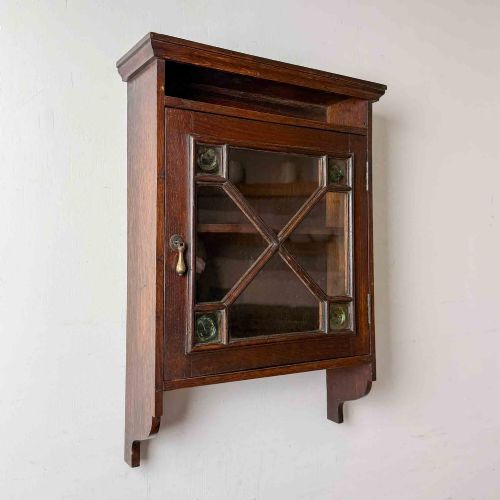
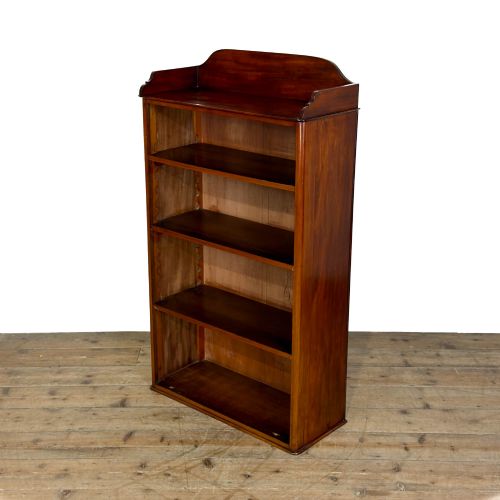
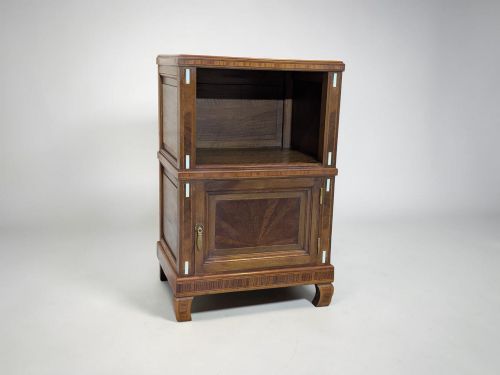
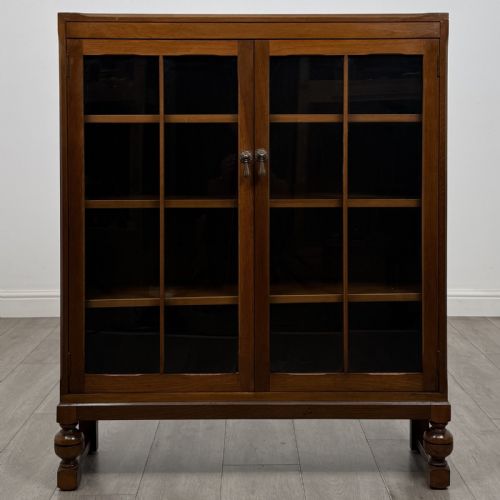
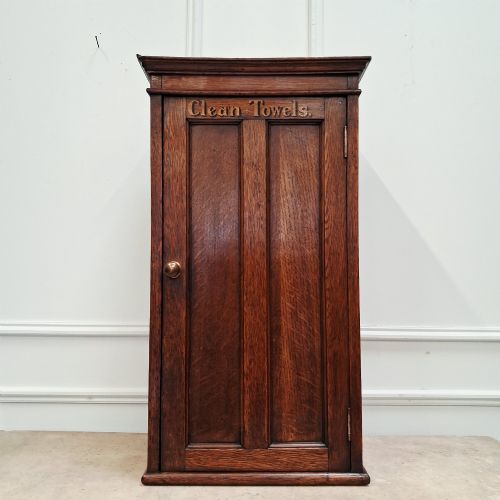
A small edwardian cabinet encompasses versatile forms ranging from bedside chests and bedside tables to wall-hanging cupboards, open bookcases, and glazed display cabinets. These compact pieces serve intimate storage needs in bedrooms, hallways, and reception rooms.
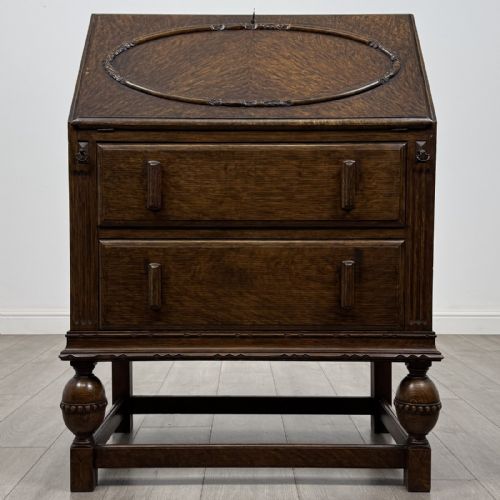
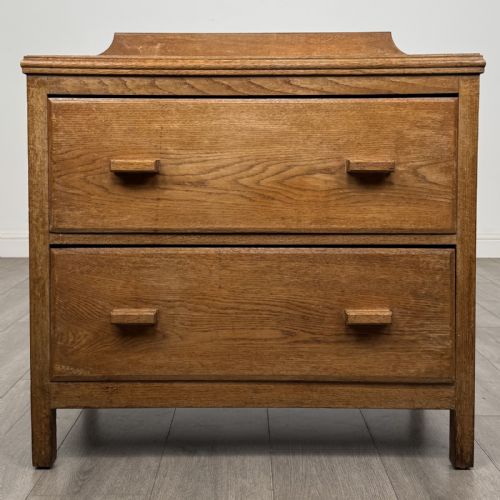
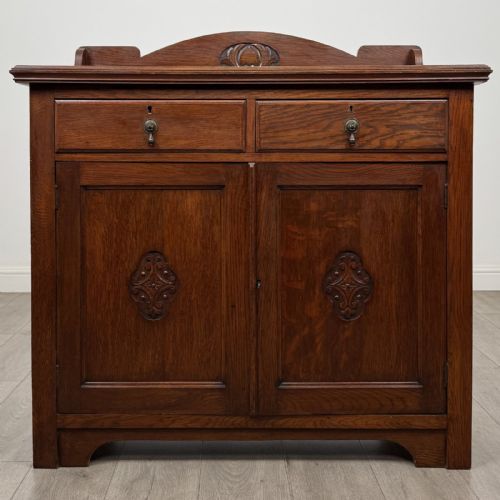
The most frequent version encountered on this page is the Edwardian mahogany bedside or display cabinet, often featuring delicate inlay, glazed single doors, or raised corners designed to fit snug against walls. Oak variants with Arts and Crafts influences also appear regularly, alongside walnut and burr walnut iterations.
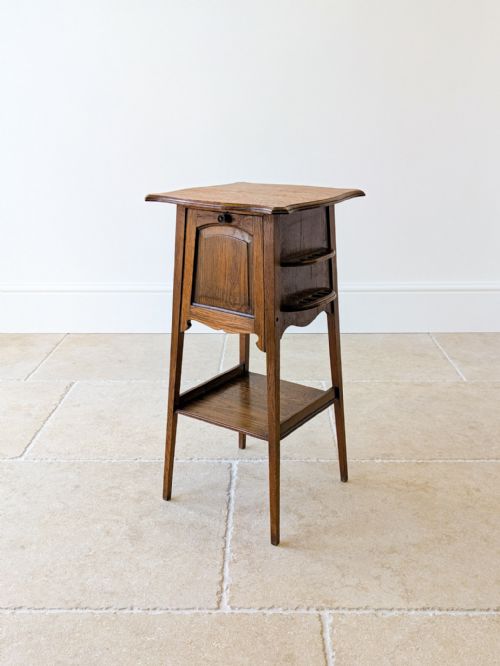
Makers of the period adapted Georgian and Sheraton styles into lighter, scaled-down furniture suited to urban townhouses and suburban villas. Consequently, buyers find pieces built for specific domestic utility, such as sheet music storage, smokers' cabinets, and tabletop collectors' boxes.
Materials and Construction
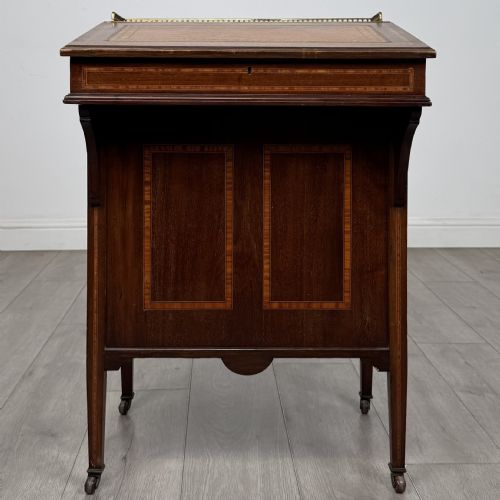
Cabinet makers relied heavily on solid mahogany and oak as structural timbers, frequently applying veneers of burr walnut, satinwood, and harewood to create figured surfaces. Inlaid banding in boxwood and darker woods added geometric or floral contrast to drawer fronts and door panels.
Glazing bars divided glass panels on display and wall-hanging cabinets, while brass hardware, including handles and castors, provided functional accents. Construction techniques combined traditional dovetail joints for drawers with mortise and tenon frames for doors and carcasses.
Listings feature oak, mahogany, walnut, and satinwood, spanning Victorian, Edwardian, and Arts and Crafts design movements.
Assessing Quality
Quality rests upon the selection of timber figures, such as the richness of burr walnut or the depth of grain in figured mahogany, paired with crispness in inlay work. Superior pieces display meticulous hand-cut dovetailing and well-balanced proportions that maintain elegance despite compact dimensions.
Hardware integrity and interior detailing also separate standard items from finer examples, with original brass fittings, clean linings, and precisely hung doors indicating superior workshop standards.
Maple and Co·Edwards and Roberts
The Small Edwardian Cabinet Glossary
- Marquetry
- Decorative patterns formed by inserting pieces of contrasting wood veneer into a prepared wood surface. This technique creates intricate floral or geometric motifs on cabinet doors and tabletops.
- Serpentine
- A gently curved shape resembling a snake, featuring a convex centre flanked by concave sides. This profile frequently appears on the front facades of finer display cabinets.
- Vitrine
- A glass-fronted cabinet or table designed specifically for displaying curiosities, porcelain, and small collectables. These pieces utilise clear glass panels on multiple sides to maximise visibility.
- Pot cupboard
- A small bedside cabinet originally constructed to house a chamber pot behind a single door. Today these versatile bedside chests serve general storage functions.
- Boxwood
- A dense, pale yellow hardwood utilised extensively for stringing and contrasting inlay work. Cabinet makers selected it for its sharp definition against darker mahogany and walnut.
Small Edwardian Cabinet: Frequently Asked Questions
Where should I place a small Edwardian cabinet?
These compact pieces fit easily into tight spaces such as hallways, landings, or beside a bed where floor space is limited. Corner wall cabinets utilise dead space efficiently by mounting securely directly onto bare walls.
Display variants suit living rooms or studies, allowing you to showcase books, ceramics, or small collectables behind glass without dominating the room's layout.
Were these cabinets built for specific rooms?
Many forms served dedicated domestic functions within the Edwardian household, from specialised sheet music cabinets with drop-front drawers to bedside pot cupboards. Smokers' cabinets and tabletop collectors' chests met the specific hobbyist demands of the era.
Display cabinets and small bookcases were designed for reception rooms, offering organised storage for bound volumes and decorative ornaments.
How do I care for antique mahogany and walnut?
Maintain timber surfaces by applying high-quality beeswax periodically to nourish the grain and protect against dryness. Avoid placing furniture in direct sunlight or near heat sources to prevent veneer warping and fading.
Dust regularly with a soft, dry cloth and lift pieces rather than dragging them across floors to protect joints and original brass castors.