




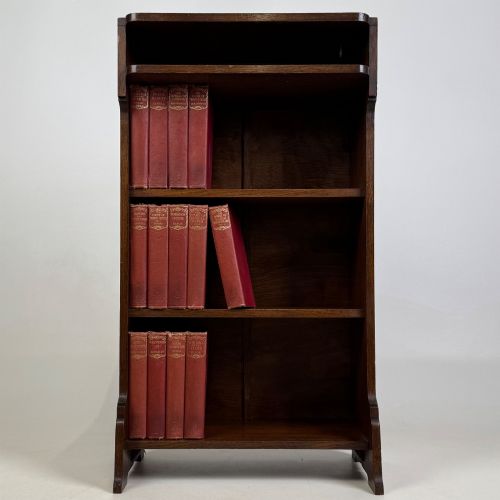
Small Display Shelving
Small display shelving comprises open bookcases, wall racks and etageres designed to hold books and objects in compact domestic spaces.
Small Display Shelving
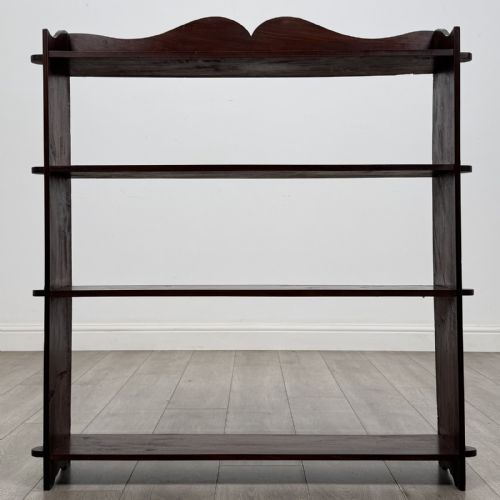
Small display shelving covers a range of compact storage forms including open bookcases, wall hanging shelves, etageres and whatnots. These pieces emerge across the nineteenth and early twentieth centuries, spanning Victorian, Edwardian, Arts and Crafts and Art Deco periods.
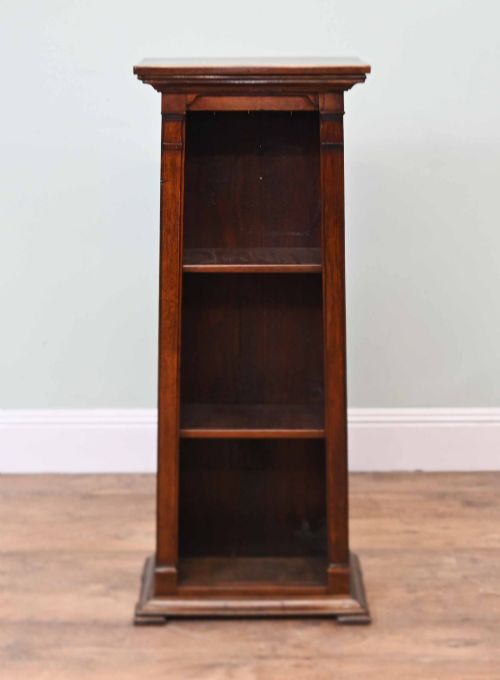
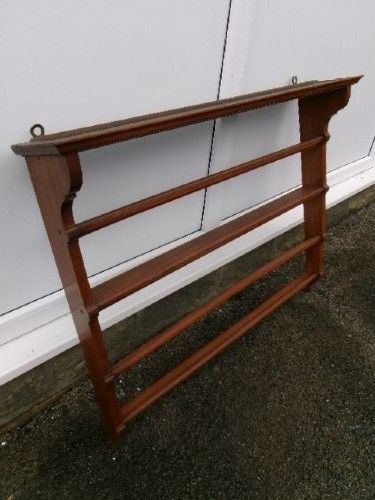
Mahogany and oak dominate the pieces seen here, alongside walnut, rosewood, pine and ash. Makers utilise these timbers to build wall mounted racks, floor standing open bookcases and tiered side tables with galleries or cupboards.
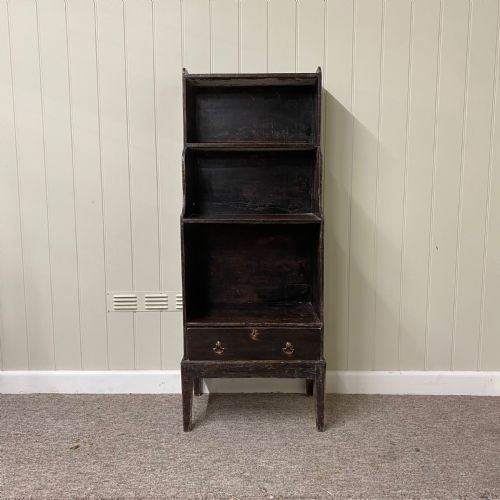
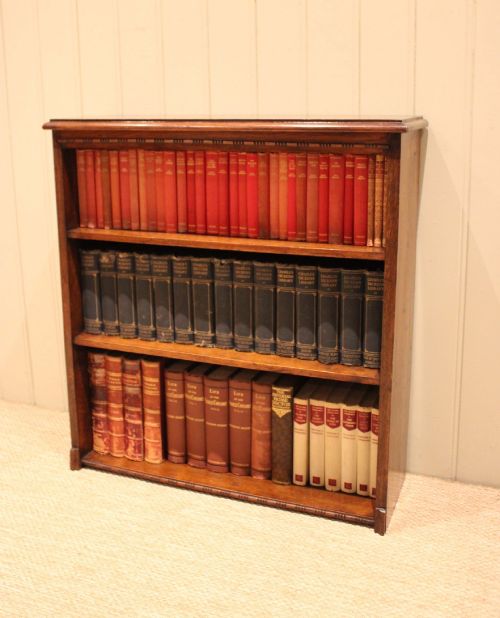
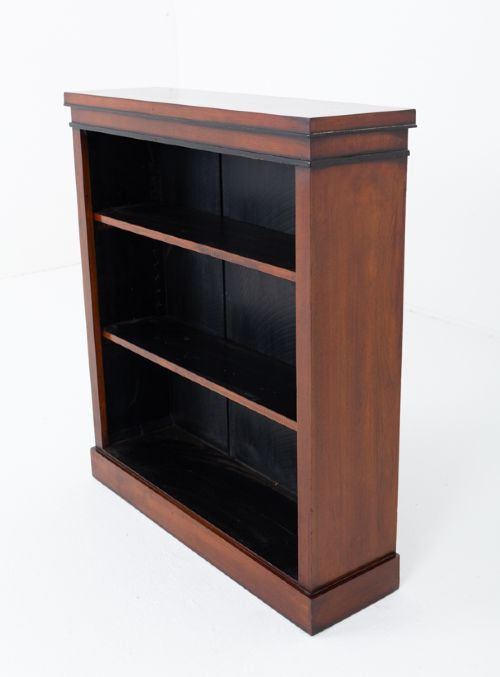
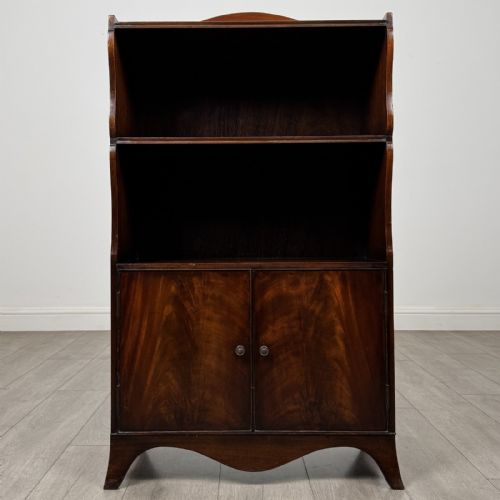
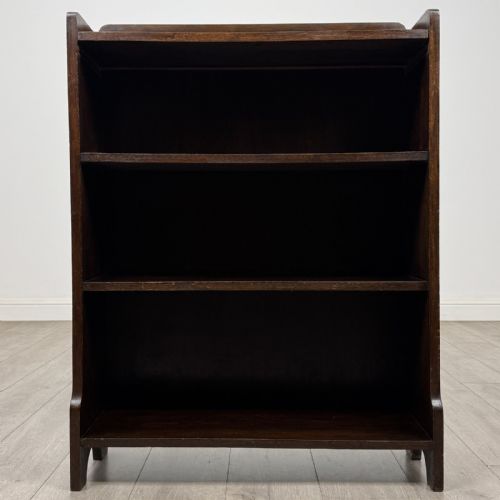
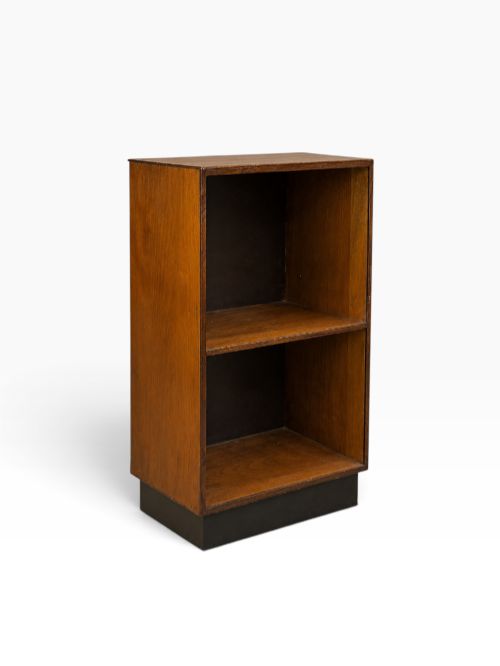
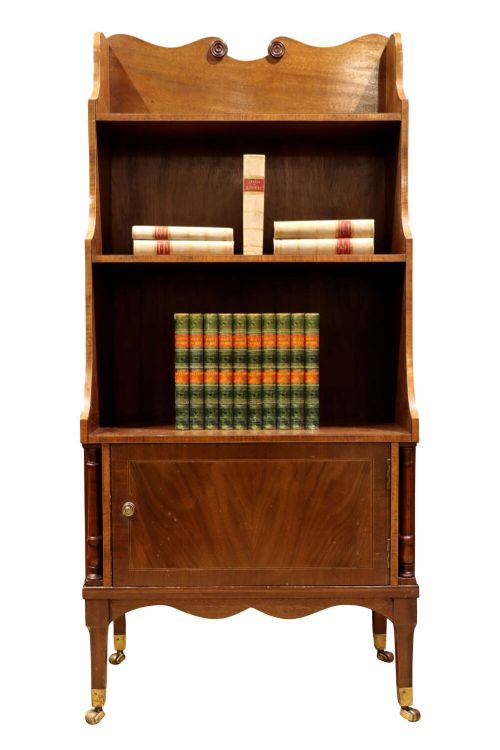
Buyers frequently encounter Edwardian oak bookcases and Victorian mahogany open bookcases on this page. These versions range from simple rustic pine structures to inlaid waterfall cabinets fitted with brass castors.
Materials and construction
Cabinetmakers build these shelves primarily from hardwoods such as mahogany, oak, walnut and rosewood. Construction methods involve pegged joints, raised galleries, bracket feet and applied carvings.
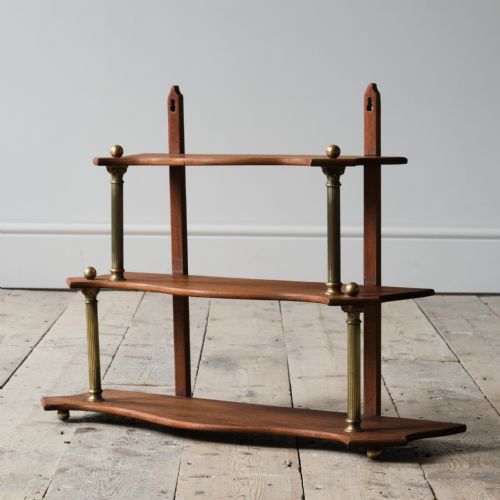
Metal elements appear on selected pieces through brass castors, handles and supporting brackets. Inlaid details and ash veneers add decorative surface variation to specific Art Deco and late Victorian examples.
Small Display Shelving Retail Price Guide 2026
Typical asking prices for small display shelving among the pieces listed under this phrase on Sellingantiques today, from the lower quarter to the upper quarter. They describe what is for sale here now, not the wider market.
Common formats include open bookcases, wall hanging shelf racks, etageres and tiered side tables with raised galleries.
Distinctions in execution
Design ambition separates standard utility pieces from more refined outputs, visible in proportions, balanced waterfall tiers, and quality hardware like brass castors. The presence of secondary timbers and the crispness of carved details indicate the maker's level of skill.
Ercol
The Small Display Shelving Glossary
- Etagere
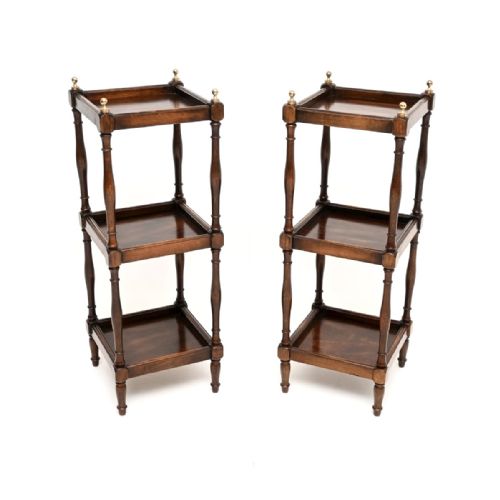
- A freestanding set of open shelves used for displaying small ornaments and decorative objects. These tiered pieces often feature slender upright supports.
- Whatnot
- A multi-tiered piece of furniture designed for holding books, ornaments or small items. It typically appears in nineteenth-century settings.
- Waterfall bookcase
- A set of open shelves where each tier steps back progressively from the one below. This profile creates a cascade effect popular in Victorian and Edwardian iterations.
- Raised gallery
- A low decorative border fitted around the top edge of a shelf or table. This feature prevents items from sliding off the surface.
Small Display Shelving: Frequently Asked Questions
Where should I place a small open bookcase?
These compact bookcases fit well in alcoves, hallways or beside seating areas where floor space is limited. Their open profile keeps rooms feeling light while providing practical storage.
Position them away from direct heat sources and strong sunlight to protect the polished wood surfaces and prevent timber warping over time.
How do I care for antique wood shelves?
Dust the surfaces regularly with a soft, dry cloth to prevent dirt accumulation. Avoid using modern silicone sprays that can damage historic polish.
Apply a traditional beeswax conditioner occasionally to nourish the timber and maintain a natural sheen. Keep the shelves in stable humidity conditions.
What is the difference between an etagere and a whatnot?
An etagere functions primarily as an open display piece for decorative objects with multiple tiers. A whatnot serves a similar multi-tiered purpose but often includes small drawers or enclosed spaces.
Both forms developed to meet nineteenth-century demands for organised display furniture in parlours and drawing rooms.
Can wall hanging shelves hold heavy books?
Wall hanging shelves suit lighter volumes, decorative objects and ceramics rather than heavy folio books. Secure wall fixings matching the specific wall type are essential for safe weight support.
Check the structural integrity of the backboards and hanging brackets before loading the shelves with heavy items.