

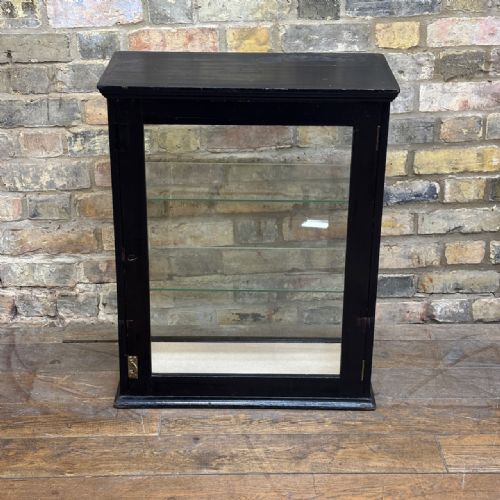


Small Display Box
These small display box pieces offer neat glazed protection for keepsakes, and you want one for the tabletop focal point it provides.
Small Display Box
A small display box gathers together tabletop cabinets, counter-top shop cases, and bijouterie tables designed to hold specimens and keepsakes securely under glass. When searching for a small display box, buyers encounter compact Victorian and Edwardian forms intended for desktops, counters, and small tables.
The pieces appearing here span the Victorian era, the Edwardian period, and the early twentieth century, including apothecary and watchmaker formats alongside inlaid satinwood and mahogany vitrines. These compact containers vary from countertop shop cabinets to five-drawer specimen storage units and key cupboards.
Originating as practical storage and retail presentation counters, these items now serve domestic interior settings where small collections require elevated glass protection. The selection leans heavily toward desktop and table-standing examples constructed in timber with glazed viewing panels.
How they were made
Construction relies upon traditional cabinet timbers such as mahogany, oak, walnut, satinwood, and kingwood, frequently enhanced by decorative brass fittings and fine string inlay. Timber frames are assembled with glazed lids or doors to permit clear visibility from above or the front.
Interior surfaces often feature original fabric linings including velvet or satin to cushion delicate contents such as shells, keys, or collector specimens. Glazing is fitted securely within timber rebates to protect contents while maintaining an unobstructed view of the interior.
Small Display Box Retail Price Guide 2026
Typical asking prices for small display box among the pieces listed under this phrase on Sellingantiques today, from the lower quarter to the upper quarter. They describe what is for sale here now, not the wider market.
Periods represented span from the nineteenth century through the Edwardian era and into 1930s commercial workshops.
What varies in quality
Quality rests upon the selection of cabinet timbers, such as burr walnut, figured mahogany, and satinwood, paired with precise joinery and well-fitted brass hardware. Superior pieces display thoughtful proportions and refined inlay work that elevates simple storage into decorative furniture.
The integrity of the original glazing, the condition of internal fabric linings, and the smoothness of drawer action or lid hinges distinguish finer examples from utility shop fittings.
The Small Display Box Glossary
- Bijouterie table
- A glass-topped display table designed specifically for holding small valuable items, jewellery, or curiosities.
- Specimen cabinet
- A multi-drawer storage unit intended for organising scientific samples, natural history items, or small collectibles.
- Vitrine
- A glass-fronted or glass-topped cabinet used for displaying objects of interest.
- String inlay
- A narrow strip of contrasting wood inlaid flush into the surface of a piece for decorative effect.
Small Display Box: Frequently Asked Questions
What fits inside a small display box?
These cabinets suit small collections, pocket watches, shells, and curiosities that benefit from dust-free glass protection.
Interior depths and drawer layouts vary according to whether the piece originated as a shop counter, a watchmaker's chest, or a domestic bijouterie table.
Where should I place a table top display cabinet?
Countertop and table-standing versions sit comfortably on desks, chests of drawers, and occasional tables where overhead or side lighting illuminates the contents.
Ensure the surface is stable and positioned away from direct sunlight to protect interior fabrics and delicate specimens.
How do I identify a Victorian display piece?
Victorian examples typically employ dense timbers like mahogany, walnut, or oak, often accompanied by hand-cut dovetail joints in drawers and traditional brass hardware.
Stylistic cues range from heavy folk art construction to refined inlay work associated with later nineteenth-century cabinet making.
Are original linings important?
Original velvet or fabric linings add authenticity and character, providing a traditional backdrop for displayed items.
Clean preservation of these internal textiles helps maintain the historical integrity of specimen cabinets and table vitrines.