



Small Brown Wardrobe
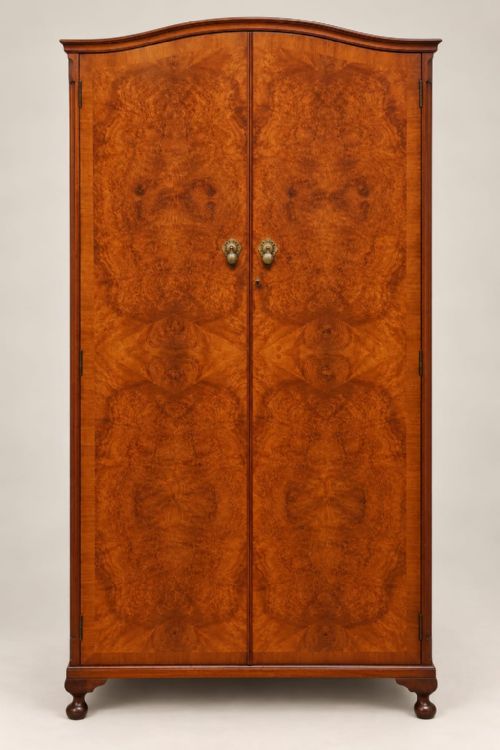
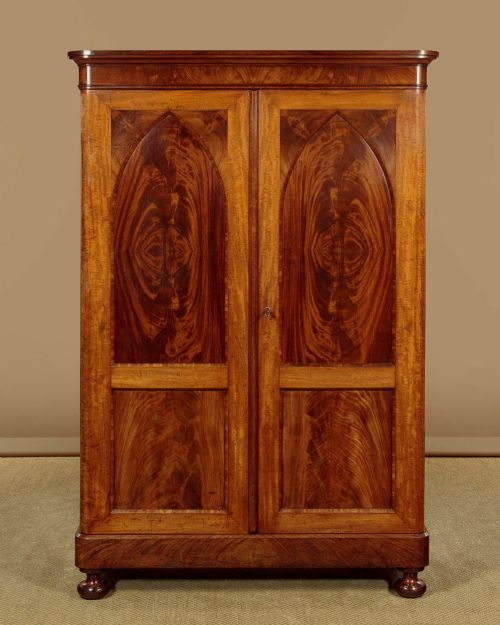
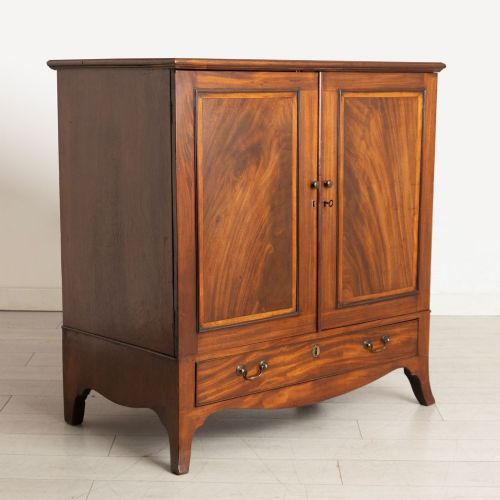
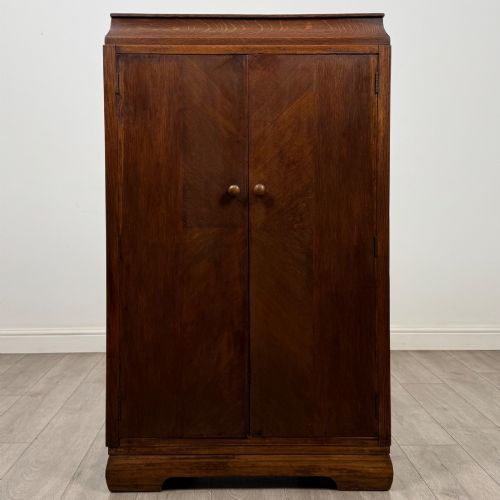
A small brown wardrobe offers compact clothes storage in rich timber, combining period craftsmanship with everyday utility.
Small Brown Wardrobe
A small brown wardrobe encompasses compact timber furniture designed for hanging garments, linen storage, and domestic organisation. When searching for a small brown wardrobe, buyers encounter diverse forms ranging from floor-standing hall robes to tabletop cabinets and miniature furniture.
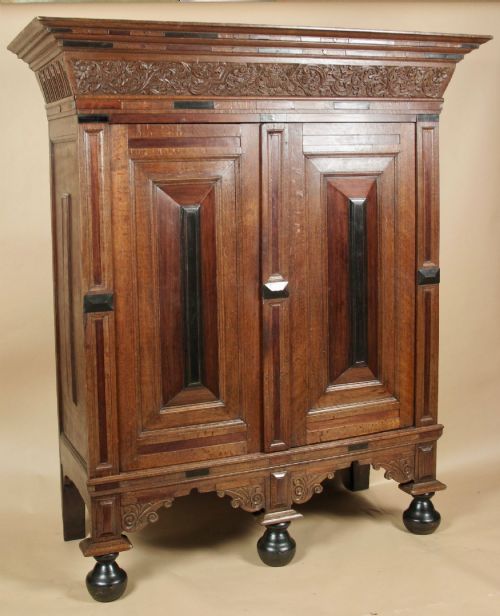
The pieces on this page span several eras, featuring examples from the seventeenth century through to the Edwardian period and nineteen-twenty. Common timber constructions include mahogany, oak, and burr walnut, reflecting traditional British and continental cabinet-making.
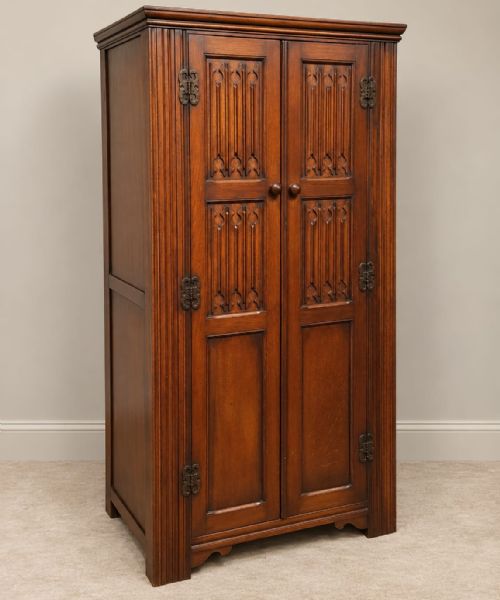
Forms vary from fitted wardrobes and double wardrobes to linen presses and dwarf housekeepers cupboards. Buyers frequently meet Edwardian mahogany hall robes and nineteen-twenty oak wardrobes among these listings.
How they were made
Cabinet-makers constructed these pieces using solid timbers such as oak and mahogany, often applying flame mahogany veneer or burr walnut to create rich surface patterns. Structural integrity relied on traditional joinery techniques suited to each period style.
Interiors often feature fitted layouts with dedicated space for linen, garments, or small items, tailored to the specific functional demands of the piece.
Small Brown Wardrobe Retail Price Guide 2026
Typical asking prices for small brown wardrobe among the pieces listed under this phrase on Sellingantiques today, from the lower quarter to the upper quarter. They describe what is for sale here now, not the wider market.
Listings feature oak, mahogany, and walnut timbers alongside brass and iron hardware across multiple centuries.
What varies in quality
Quality in these wardrobes is determined by the selection and matching of timber veneers, such as flame mahogany or burr walnut, which elevate the visual depth of the surface. Finer examples display meticulous grain continuity across doors and panels.
The refinement of decorative details, from hand-carved elements to precise inlay work in ebony and rosewood, separates standard utility pieces from higher-status examples. Robust construction of internal fitted compartments also indicates superior workshop origin.
The Small Brown Wardrobe Glossary
- Wardrobe
- A tall piece of furniture used for storing clothes, typically featuring doors that open to hanging space or shelves.
- Linen Press
- A large cupboard traditionally used for storing folded linen and sheets, often featuring sliding trays or drawers beneath upper doors.
- Veneer
- A thin layer of choice timber applied to a denser base wood to provide an ornamental surface figure.
- Compactum
- A multi-functional wardrobe or cabinet combining hanging space, drawers, and shelving within a single compact footprint.
- Banding
- A narrow strip of contrasting wood inlay used to frame panels or drawer fronts for decorative definition.
Small Brown Wardrobe: Frequently Asked Questions
What periods do these wardrobes come from?
The listings include pieces spanning from the seventeenth century up to the early twentieth century. Notable eras represented are the Georgian period, the Victorian era, and the Edwardian years.
Craftsmanship and timber choices shift across these eras, moving from seventeenth-century continental oak and ebony work to twentieth-century fitted oak and walnut designs.
How were linen presses used?
Linen presses served as domestic storage units primarily intended for keeping household linens flat and clean. The upper section usually housed sliding trays or shelves, while lower drawers held smaller textiles.
Over time, many of these presses have been adapted by owners to serve as general clothing wardrobes or display cabinets in modern homes.
Are all these pieces full size?
No, the selection specifically focuses on smaller formats, including dwarf housekeepers cupboards, hall robes, and miniature furniture. Some items are tabletop cabinets rather than floor-standing units.
These reduced dimensions make them practical for smaller rooms and hallways where standard full-height wardrobes would overwhelm the space.
What woods are commonly found?
Oak and mahogany form the foundation of most pieces in this category, often enhanced by decorative veneers. Burr walnut and flame mahogany provide striking grain patterns on door fronts.
Additional detailing frequently incorporates contrasting timbers like rosewood and ebony, complemented by brass and iron hardware.