

Small Shelf
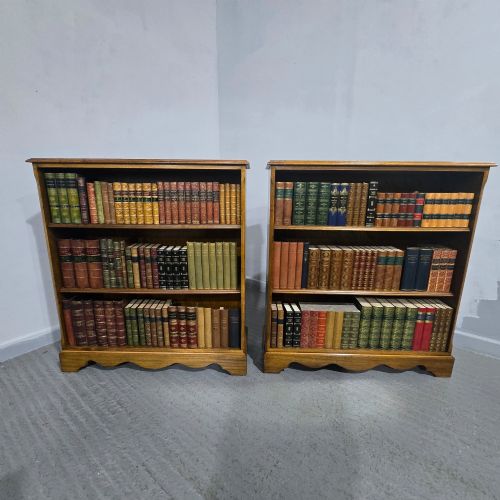
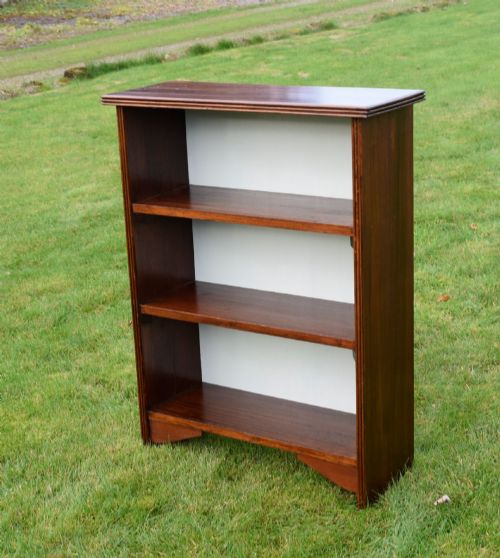
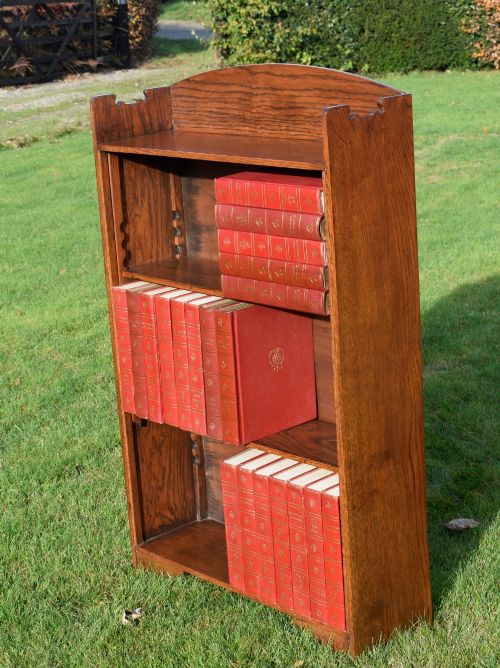
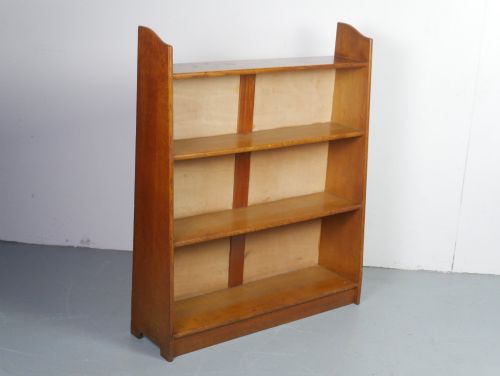
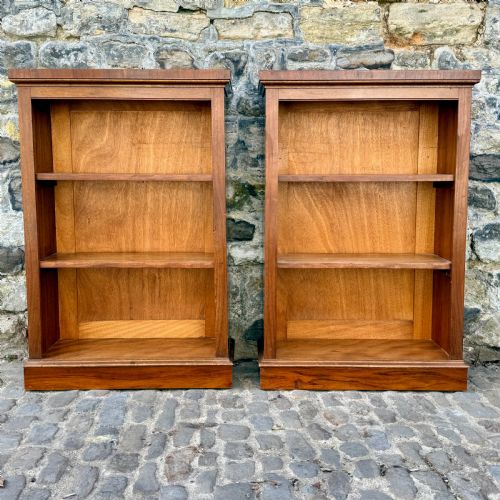
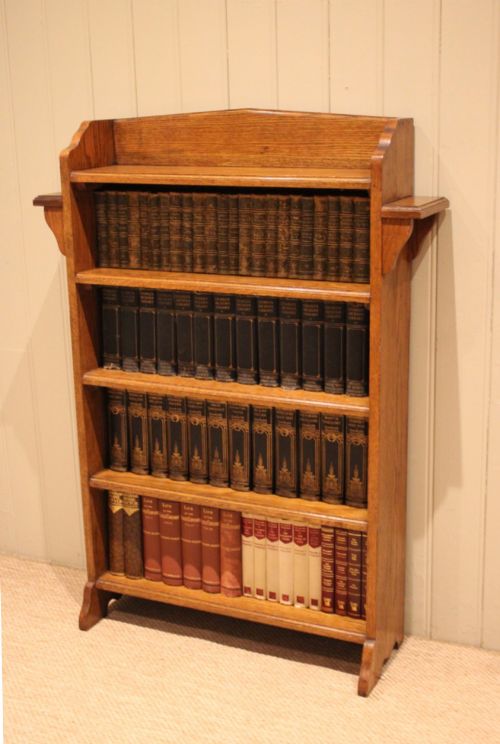
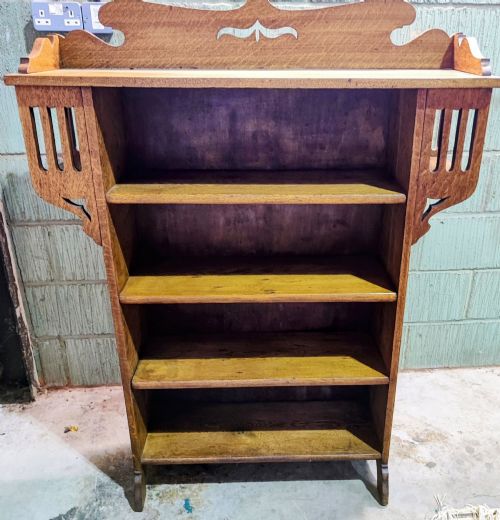
A small antique shelf organises compact spaces with timber character, spanning open bookcases, wall racks and cabinets from the nineteenth century to the interwar period.
Small Shelf
A small antique shelf encompasses compact wall-hanging racks, narrow open bookcases, and low side cabinets designed to hold books and display objects in restricted spaces. These pieces emerge across domestic settings from the Georgian era through the Edwardian years and into the 1930s, reflecting changing interior storage needs.
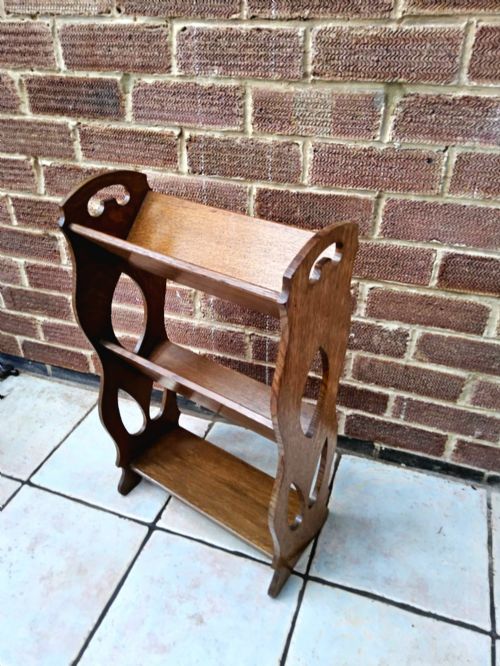
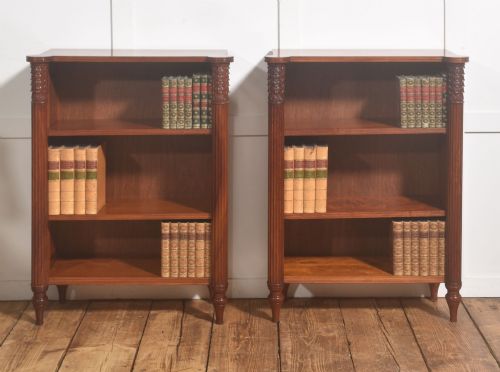
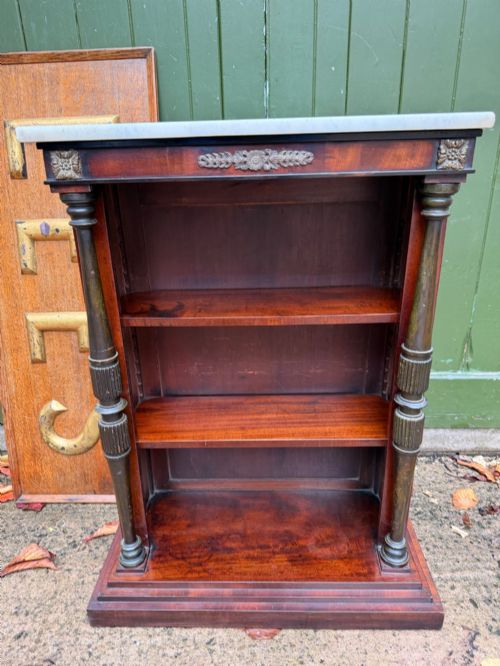
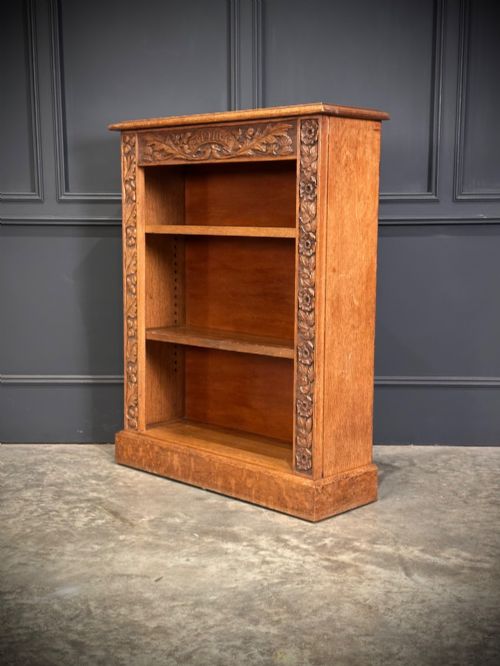
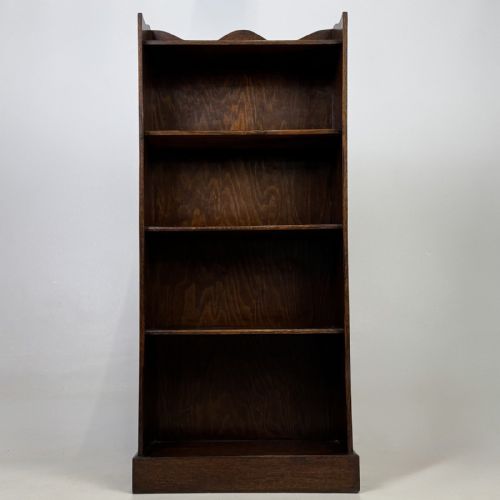
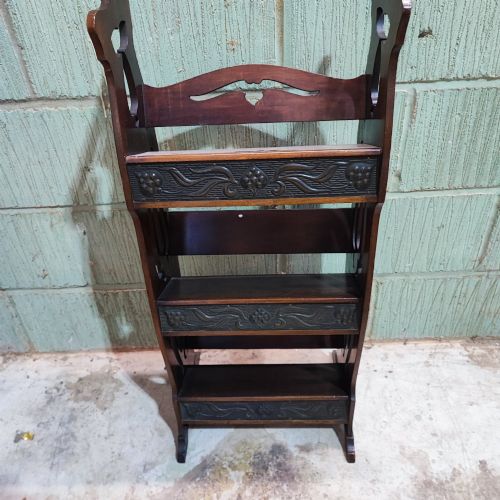
The selections available here rely heavily on early twentieth-century production alongside late Victorian examples, featuring distinct styles such as Arts and Crafts plainness and Jacobean Revival carving. Buyers will frequently encounter open oak bookcases with raised galleries and mahogany wall units fitted with brass details.
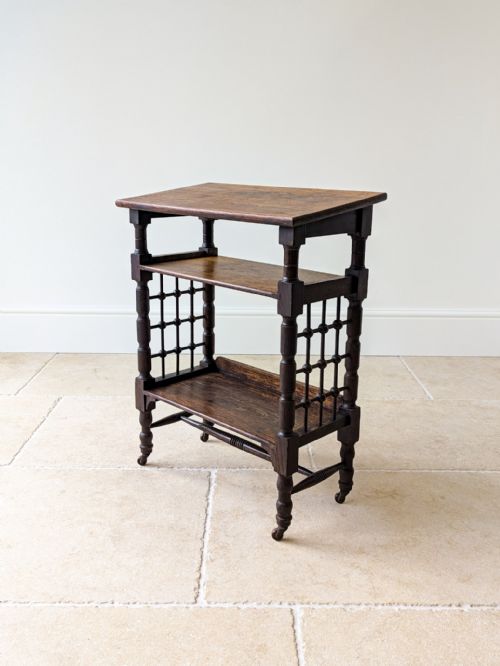
Beyond standard bookcases, the category stretches to incorporate tiered side tables, revolving book holders, and wall cabinets with glazed or solid doors. Each form serves the fundamental purpose of vertical organisation while contributing period texture to modern rooms.
How they were made
Makers constructed these shelves predominantly using hardwoods such as oak and mahogany, occasionally employing walnut, rosewood, and satinwood for finer commissions. Timber selection dictated the structural capability of narrow uprights and thin shelving boards.
Construction techniques combined traditional joinery with decorative elements including carved edges, iron cross-braces, and inlaid banding. Brass brackets, castors, and gallery rails added functional metalwork to the wooden frames of wall racks and floor-standing bookcases.
Small Shelf Retail Price Guide 2026
Typical asking prices for small shelf among the pieces listed under this phrase on Sellingantiques today, from the lower quarter to the upper quarter. They describe what is for sale here now, not the wider market.
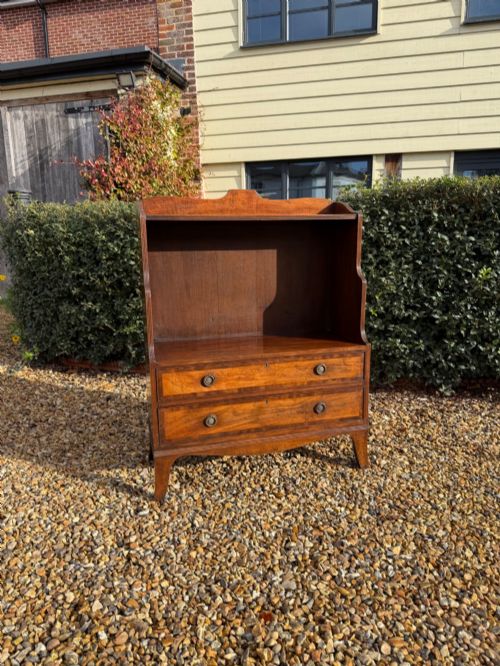
The furniture forms include revolving book holders, waterfall bookcases, bracket mirrors, and tiered side tables alongside standard wall shelves.
What varies in quality
Quality rests in the precision of the timber selection and the integrity of the structural joints rather than mere decorative elaboration. Better pieces demonstrate careful grain matching, particularly in burr walnut and figured mahogany surfaces, alongside solid backboards and stable uprights.
The refinement of carved details and the inclusion of original hardware, such as brass castors or gallery spindles, distinguish superior workshop output from simpler utilitarian items.
Heals·Gillows
The Small Shelf Glossary
- Gallery
- A low decorative railing or pierced border along the top edge of a shelf or cabinet. This feature prevents small items from sliding off the surface.
- Waterfall bookcase
- A standing set of shelves where each tier steps back progressively from the one below, creating a sloping profile. This form appeared frequently in nineteenth-century satinwood and mahogany.
- Jacobean Revival
- A nineteenth and early twentieth-century design style emulating seventeenth-century English furniture. Pieces in this manner display heavy geometric moulding and deep carving.
- Occasional table
- A small, movable table designed for secondary use in a room, such as a lamp table or side stand. They frequently accompany small shelving units in period interiors.
Small Shelf: Frequently Asked Questions
Where should I place a small antique shelf?
These compact pieces fit easily into alcoves, narrow hallways, or beside seating where floor space is limited. Wall-hanging versions suit kitchens or studies, while low open bookcases work well beneath windows.
Ensure the wall construction supports hanging racks securely, and keep timber pieces away from direct heat sources to prevent wood shrinkage.
How do I care for antique wood shelves?
Dust the timber regularly with a soft, dry cloth to prevent grit accumulation on carved surfaces and joints. Apply a quality beeswax periodically to nourish the grain and maintain the surface sheen.
Avoid placing wet items or direct sunlight on antique polished surfaces to protect the original finish from water rings and fading.
What is the difference between Edwardian and Victorian shelves?
Victorian pieces often utilise rich mahogany and walnut with heavier proportions, deeper carving, and richer dark finishes. Edwardian examples frequently embrace lighter oak construction, sometimes featuring simpler Arts and Crafts lines or satinwood crossbanding.
Examining the secondary woods and interior construction helps confirm the manufacturing period of these smaller items.
Can these shelves hold heavy books?
Most small antique open bookcases and wall racks were built to accommodate standard octavo volumes, novels, and decorative objects rather than heavy encyclopaedias. Inspect the thickness of the shelves and the strength of the side uprights before loading substantial weights.
Wall-hanging versions require appropriate fixings suited to your wall type to ensure safe weight distribution.