



Small Decorative Box
A small antique decorative box offers a clever way to keep small treasures, drawing on centuries of global craftsmanship in wood, metal, and lacquer.
Small Decorative Box
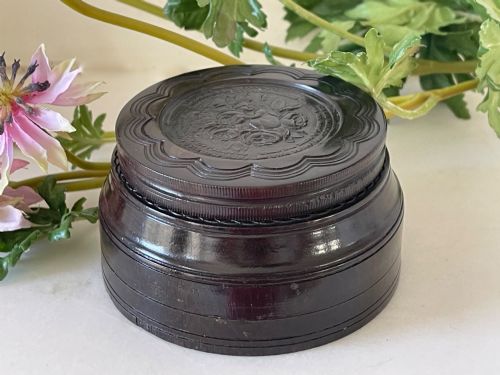
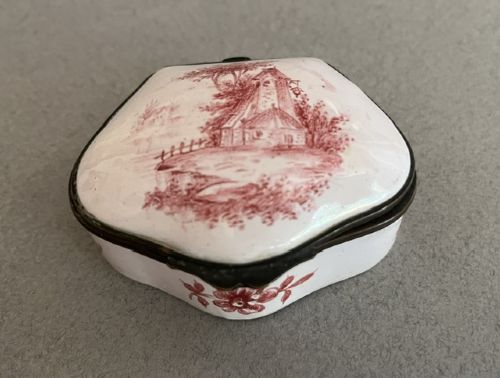
A small antique decorative box gathers diverse forms such as trinket boxes, snuff boxes, and keepsake cases spanning the eighteenth, nineteenth, and twentieth centuries. These vessels serve practical storage functions while displaying distinct period ornamentation.
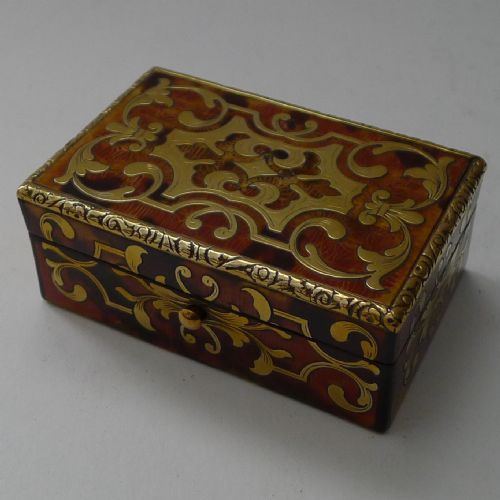
The selection here includes European examples from the Regency, Victorian, and Edwardian eras alongside Asian pieces from the Meiji, Taisho, and Qing periods. Buyers frequently encounter French Boulle work, Japanese lacquer, and British wood containers among these listings.
Makers adapted these small formats into table cabinets, tea caddies, and miniature trunks constructed from walnut, mahogany, rosewood, and boxwood. Each piece reflects the domestic habits and decorative tastes of its originating culture.
Materials and construction methods
Wood construction dominates the selection, utilising dense hardwoods like mahogany and walnut alongside exotic satinwood and rosewood veneers. Artisans frequently employed boxwood stringing and intricate inlay to enrich the surface planes.
Metal and leather applications appear extensively across various origins, incorporating brass mounts, silver gilt, and iron studding. Lacquer techniques define the Asian pieces, creating hard, lustrous finishes on wooden cores.
Specialised forms utilise shell grotto work, tin, and tortoiseshell effects to achieve distinct tactile qualities. Construction joins range from traditional dovetails to specialised framing that supports delicate surface decoration.
Small Decorative Box Retail Price Guide 2026
Typical asking prices for small decorative box among the pieces listed under this phrase on Sellingantiques today, from the lower quarter to the upper quarter. They describe what is for sale here now, not the wider market.
Early box makers included hidden secret drawers that required pressing concealed springs to reveal tiny, unexpected hiding spots.
Distinctions in quality and execution
Quality rests upon the precision of the joinery and the integrity of the surface embellishment, whether inlaid wood or applied metal. Superior pieces maintain tight fitting lids and hinges that operate smoothly without sagging.
The refinement of decorative details separates standard production from exceptional work, particularly in hand-carved elements and delicate Boulle marquetry. Preservation of original linings and hardware enhances the integrity of the object.
The Small Decorative Box Glossary
- Boulle
- An elaborate form of marquetry utilising brass and tortoiseshell inlaid into wood furniture and small boxes, popularised in seventeenth-century France and revived later. This technique creates a rich, reflective surface pattern.
- Kodansu
- A traditional Japanese small portable cabinet or chest featuring multiple internal drawers or compartments. These pieces often exhibit detailed lacquer work or metal fittings.
- Tea Caddy
- A specialised container originally designed for storing dry tea leaves securely away from light and moisture. Regency and Victorian examples frequently feature internal compartments and lockable lids.
- Marquetry
- The art of applying pieces of veneer to a structure to form decorative patterns and pictures. Craftsmen select contrasting woods and metals to achieve pictorial depth.
Small Decorative Box: Frequently Asked Questions
What were small antique decorative boxes used for?
These boxes served secure domestic functions for storing precious items such as jewellery, currency, dried tea, and snuff. Their compact scale allowed them to sit easily on dressing tables, desks, and parlour sideboards.
Over time, owners repurposed them to hold personal keepsakes, letters, and collection specimens. Their dual role as functional storage and decorative art ensured their presence in formal rooms.
How do I date a small decorative box?
Dating relies on examining the construction materials, hinge types, lining fabrics, and stylistic motifs associated with specific periods like the Regency or Victorian eras. Regional manufacturing techniques also provide clear chronological clues.
Makers often employed specific woods and decorative treatments that correspond to documented design movements. Comparing joinery methods helps confirm the era of production.
How should I clean a wooden antique box?
Maintenance requires gentle dusting with a dry, soft cloth to prevent particulate accumulation on delicate finishes and inlays. Avoid using modern chemical polishes that can damage aged lacquers or lift fragile veneers.
Periodic application of appropriate conservation wax helps nourish aged woods without altering the patina. Professional advice should be sought for pieces with compromised surface treatments.
Are these boxes suitable for daily use?
Most antique boxes function adequately for gentle daily storage of modern trinkets and small accessories. Care must be taken with delicate hinges and fragile surface inlays during routine handling.
Placing them away from direct sunlight and extreme humidity protects vulnerable materials like lacquer, leather, and tortoiseshell. Using soft internal padding preserves original linings.